Union Budget 2026 introduces wide-ranging indirect tax reforms, cutting duties on EVs, medicines, aviation, nuclear plants and easing customs processes.
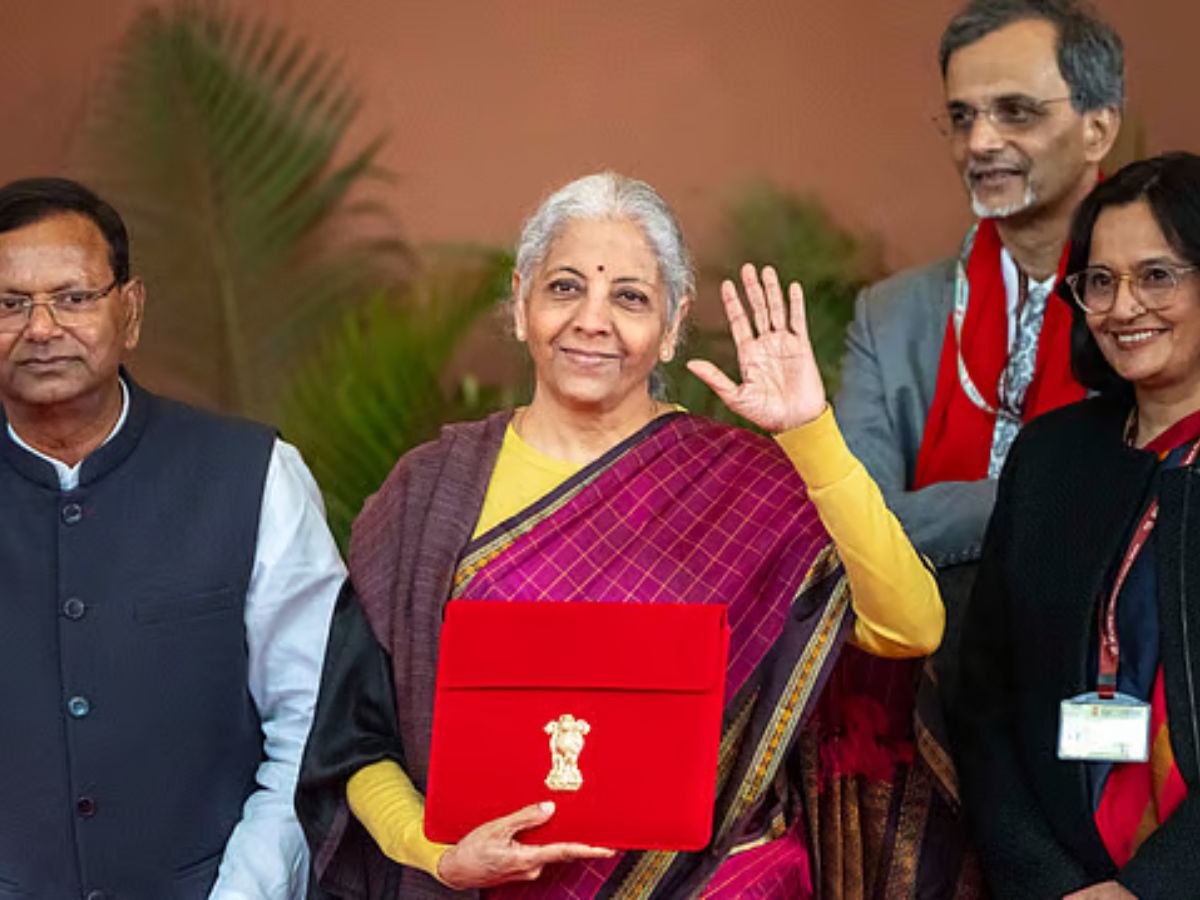
Union Budget 2026 introduces wide-ranging indirect tax reforms [Photo: X]
Union Budget 2026-27 has delivered sweeping indirect tax reforms as Finance Minister Nirmala Sitharaman unveiled a series of measures aimed at boosting exports, supporting clean energy, reducing costs for critical industries and simplifying customs procedures. The announcements signal a strong push towards making India more competitive globally while lowering compliance burdens for businesses and individuals.
From exempting import duties on nuclear plants and lithium-ion cells to easing customs processes and reducing duties on medicines, the indirect tax changes are designed to support growth sectors, improve ease of doing business and strengthen India’s manufacturing and export ecosystem.
Finance Minister Nirmala Sitharaman made the following announcement under indirect taxes in the Union Budget 2026-27:
One of the most impactful announcements is the exemption of import duty on nuclear plants till 2035. This move supports India’s long-term clean energy transition and strengthens investment confidence in large-scale nuclear power projects.
The exemption of BCD on lithium-ion cells is another major boost, directly benefiting electric vehicles, battery manufacturing and renewable energy storage. Similarly, exempting biogas and CNG from import duty strengthens India’s green fuel ecosystem and supports the government’s clean mobility goals.
Together, these measures lower costs, encourage domestic production and reduce reliance on expensive imports in future-ready sectors.
Export-oriented sectors have received targeted relief. The duty-free import limit for seafood exporters has been increased to 3% of FOB value, up from 1%, giving exporters greater flexibility in sourcing inputs.
The leather industry also benefits significantly, with the time period for exporting final products extended from six months to one year. This change addresses long-standing industry concerns around production cycles, working capital constraints and global demand fluctuations.
Both measures aim to enhance export competitiveness and reduce compliance stress for exporters.
The duty exemption on manufacturing parts used in Maintenance, Repair and Overhaul (MRO) operations for defence and civil aircraft manufacturing is expected to strengthen India’s aviation ecosystem. This move encourages domestic MRO capabilities, reduces dependence on overseas facilities and aligns with the “Make in India” vision in defence and civil aviation.
Lower input costs could also attract global aviation players to set up manufacturing and servicing hubs in India.
Consumers will benefit from the reduction in duty on imported goods for personal use beyond the free allowance, which has been cut to 10% from 20%. This change makes personal imports less expensive and simplifies the duty structure.
Healthcare has also received attention, with customs duties reduced on various drugs and medicines used for special treatments. This step is expected to improve affordability and access to critical medicines for patients.
Ease of doing business remains a central theme. Customs processes will now have minimal intervention of officers, signalling greater automation and transparency. Additionally, Authorised Economic Operators will get 30 days to complete paperwork, easing procedural pressure and improving trade efficiency.
These reforms aim to reduce delays, lower transaction costs, and make India’s trade ecosystem more predictable and business-friendly.
The indirect tax reforms announced in Budget 2026-27 reflect a strategic balance between revenue considerations and growth priorities. By lowering duties in key sectors, easing compliance and supporting exports, the government is laying the groundwork for faster industrial growth, cleaner energy adoption and smoother trade operations.
