Budget 2026 boosts leather and footwear exports with duty-free inputs, longer export timelines and a new scheme targeting jobs, scale and global competitiveness.
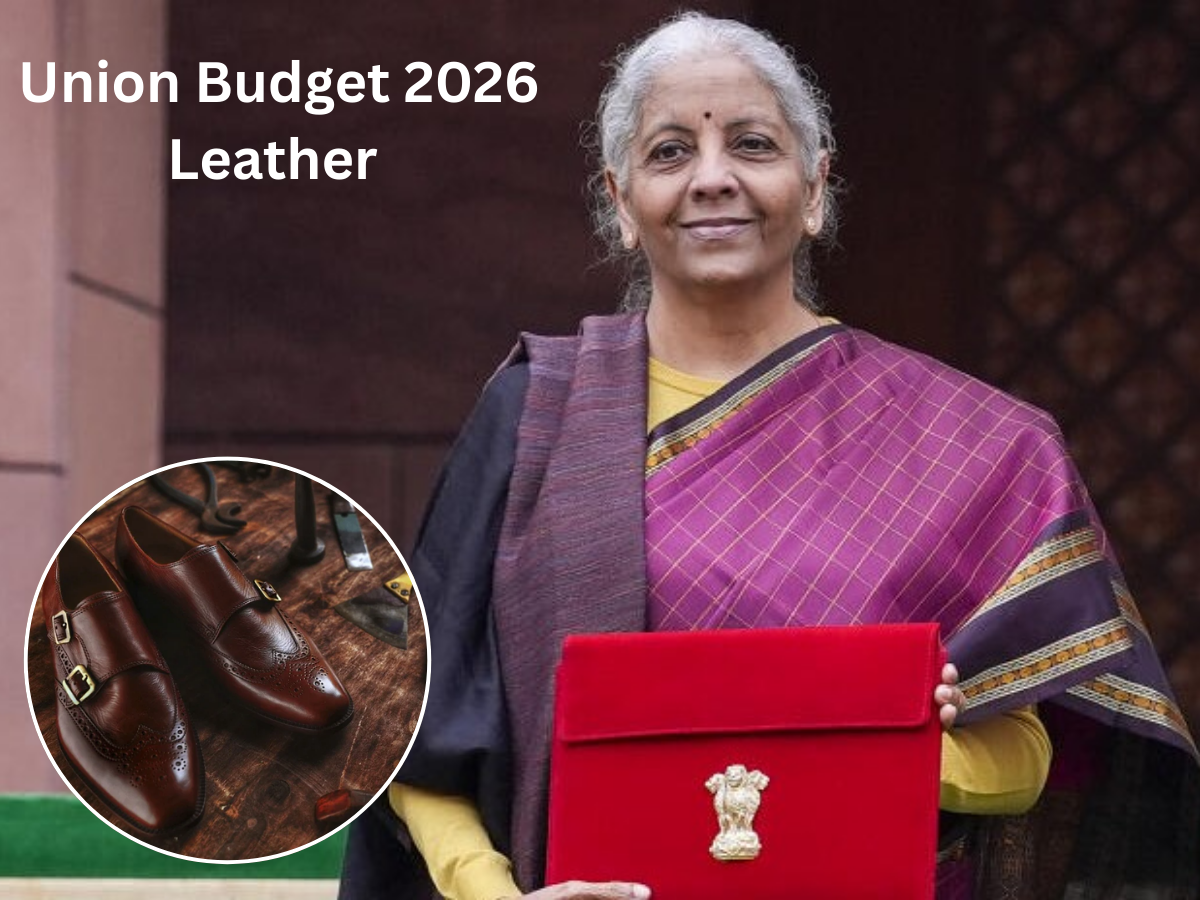
Union Budget 2026 introduces key reforms to revive India’s leather and footwear exports amid global trade pressures (Photo: File)
Union Budget 2026: The Union Budget 2026 heralds a fresh start for the Indian leather and footwear industry and it is firmly rooted in the story of exports. The sector has been impacted by the rise in global tariffs, with the most significant being the massive 50% tariff imposed by the United States, thereby reducing their margins even as their exports continue to remain steady and the exports for the period from April to December 2025-26 stood at USD 3.3 billion.
One of the key budgetary changes is that there is now a significant budgetary measure that allows duty-free importation of certain inputs used in the production of leather exports, which provides immediate cost relief to exporters. This will help exporters cope with tariff fluctuations and fluctuations in the price of raw materials, particularly in international markets where Indian exports are under pressure due to pricing. Secondly, the government has extended the export obligation period for leather and textile exports from six months to one year.
To enhance domestic capacity, the Budget introduces a Focus Product Scheme in the leather and footwear sectors where the scheme supports design development, component manufacturing and the acquisition of new machinery even in non-leather footwear segments. It is expected to generate employment for 22 lakh people, register a turnover of Rs. 4 lakh crores and increase exports to over Rs. 1.1 lakh crores, which is an indication of scaling up and quality.
The government has liberalized duty-free access for inputs in footwear production, extending it to shoe uppers made of both leather and synthetic materials. On the other hand, the list of permissible duty-free inputs for seafood exporters was also expanded, reflecting the export-oriented policy that identifies the leather and footwear industry as a target manufacturing sector.
In addition to the exemption on shoes, the Budget rolls back the basic customs duty on parts of microwave ovens and commits to supporting the Artificial Limbs Manufacturing Corporation of India, which helps to increase the manufacture of assistive devices. These policies demonstrate an overall strategy to improve manufacturing that connects employment, improved access to healthcare and increased manufacturing capacity.
Budget 2026 presents a workable trade policy formula through the adjustment of import duties and harmonizing the timing of exports. It shifts focus from protectionism to economies of scale and globalization where as given the industry’s involvement of millions of workers and its association with MSMEs, this strategy may help India pick up pace in the international leather and footwear market.
