Union Budget 2026 proposes banking sector review, FEMA reforms, easier foreign investment norms, and steps to deepen corporate and municipal bond markets
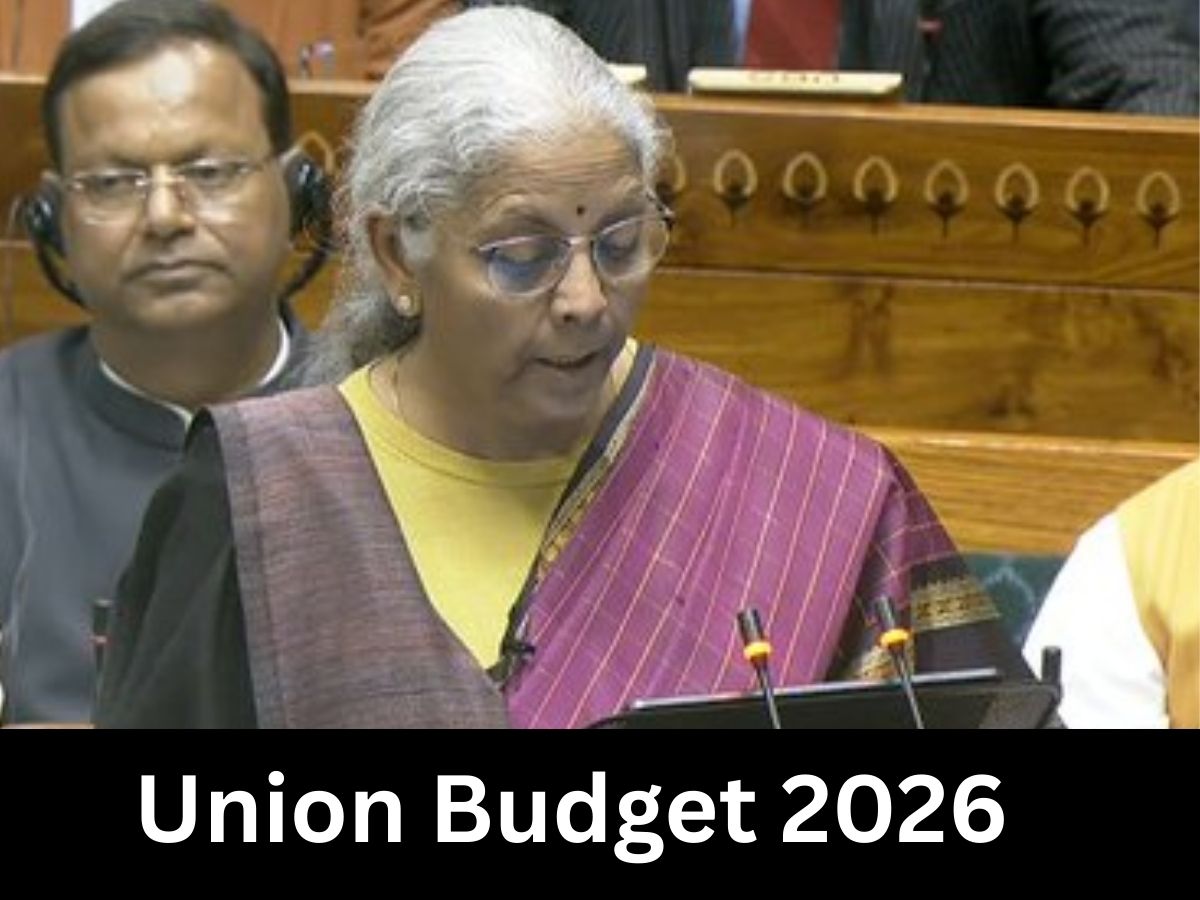
FM Sitharaman Announces Financial Sector Overhaul in Budget 2026
Union Budget 2026: In her Union Budget speech for 2026–27, Finance Minister Nirmala Sitharaman presented several financial sector proposals aimed at strengthening India’s banking system and improving the ease of doing business. These measures are part of the government’s larger goal of building a Viksit Bharat (Developed India).
One of the major announcements was the proposal to form a high-level committee on banking. This panel will carry out a detailed review of the entire banking system, including both banks and non-banking financial companies (NBFCs).
The purpose is to prepare the financial sector for the next phase of India’s economic growth, while maintaining financial stability, expanding inclusion, and protecting consumers. The committee will suggest reforms to improve efficiency, increase scale, and help institutions handle future challenges.
Union Finance Minister @nsitharaman proposed various measures with respect to reforms in the financial markets#ViksitBharatBudget #Budget2026 pic.twitter.com/AcL1yu7Isk
— PIB India (@PIB_India) February 1, 2026
To strengthen public financial institutions that support the power sector, the Finance Minister proposed restructuring the Power Finance Corporation (PFC) and the Rural Electrification Corporation (REC).
This move is expected to increase their operational scale and efficiency. It will also improve infrastructure financing and support the government’s focus on developing the energy sector.
FM Sitharaman also announced a complete review of the Foreign Exchange Management Act (FEMA) non-debt instruments rules. The aim is to create a modern and easier framework for foreign investors that matches India’s changing economic priorities.
This reform is likely to simplify investment procedures and attract more international capital into the country.
To deepen India’s bond markets, the government proposed measures to promote corporate bonds and municipal bonds. Incentives will be provided to encourage larger bond issuances by municipal corporations, helping cities raise funds for urban infrastructure through alternative sources.
In a move to improve ease of doing business and increase foreign participation, individuals living outside India will be allowed to invest in equity shares of listed Indian companies through the portfolio investment scheme.
The investment limit for each such individual is proposed to rise from 5% to 10%, while the overall combined limit for all such investors will increase from 10% to 24%. This change aims to improve liquidity in equity markets and attract more diverse global investments.
These financial sector reforms focus on stronger banking systems, better infrastructure financing, smoother foreign investment rules, deeper bond markets, and higher global participation, supporting India’s long-term economic development.
