Union Budget 2026: Here's what to expect from this year's budget, from income tax relief, fiscal deficit targets, defence spending, to capital expenditure push and key reforms.
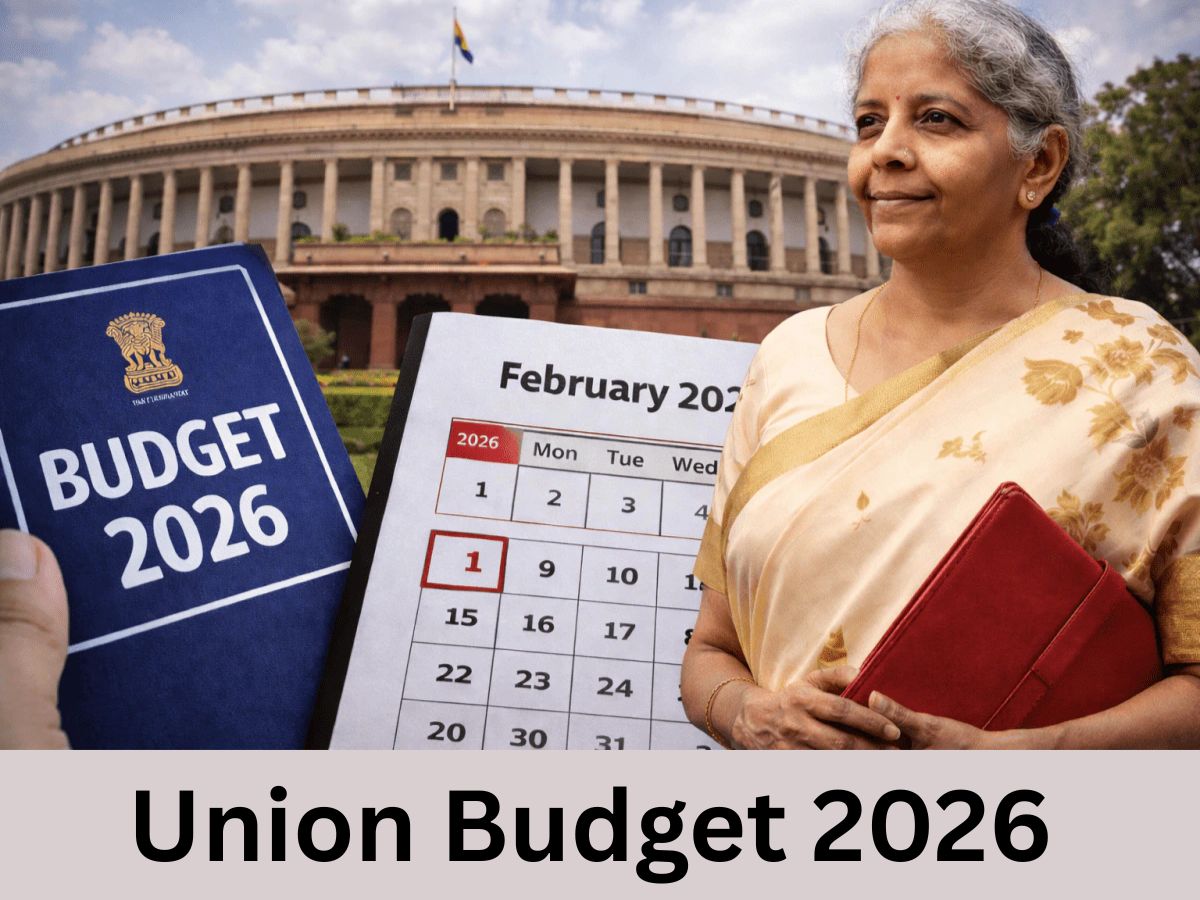
Union Budget 2026: Here's what to expect from this year's budget
Finance Minister Nirmala Sitharaman is set to present the Union Budget 2026-27 on Sunday at 11 AM, and expectations are running high across taxpayers, businesses and investors. This will be her ninth consecutive Union Budget, making it one of the most closely watched fiscal exercises in recent years.
The Budget arrives at a critical moment for India’s economy. GDP growth has climbed to a six-quarter high of 8.2%, yet global challenges remain. Ongoing geopolitical tensions, volatile commodity prices and uneven monetary easing by major global central banks continue to create uncertainty.
Against this backdrop, Budget 2026-27 is expected to focus on fiscal discipline while supporting growth through targeted tax relief, higher capital spending and reforms aimed at boosting private investment.
One of the first things to watch in Budget 2026 is the government’s fiscal roadmap. Experts expect the Finance Minister to target a fiscal deficit of around 4.2% of GDP for FY27, signalling continued commitment to consolidation.
Government borrowing is likely to increase to fund infrastructure projects and welfare schemes, while efforts may continue to reduce overall government debt to 49–51% of GDP over the medium term.
Income tax relief remains one of the biggest expectations from Budget 2026. The salaried class and middle-income taxpayers are looking for:
Any move in this direction could boost consumption and disposable income.
Market participants are watching for potential changes to the securities transaction tax (STT) and corporate tax rules that affect manufacturing and global supply chains. Any reforms here could significantly impact investor sentiment.
Investors will closely track whether Budget 2026 offers relief on long-term capital gains (LTCG). There are expectations of higher exemption limits or rationalised tax rates, especially as equity and mutual fund participation continue to rise among retail investors.
Defence is expected to be a key focus area in Budget 2026. The government may announce a significant increase in military spending, possibly around 20%, along with steps to ease foreign investment norms in defence manufacturing. This could support domestic defence production and reduce import dependence.
Infrastructure spending is expected to remain a growth engine. Budget 2026 may increase allocations for:
Over the past five years, capital expenditure as a share of GDP has steadily risen, and this trend is likely to continue.
Export-oriented industries are hoping that Budget 2026 will lower import duties on essential inputs such as electronic components and textile raw materials. This becomes crucial as exporters face pressure from higher global tariffs and trade-related challenges.
Another major expectation from Budget 2026 is policy support for private sector investment. Measures such as tax incentives, regulatory simplification and faster approvals could help create a more business-friendly environment.
Taxpayers and businesses also expect deregulation through targeted tax cuts and policy reforms. These measures could stimulate demand, improve consumer confidence and support economic growth.
Finally, Budget 2026 will shed light on how the government plans to manage its borrowing while balancing growth and fiscal responsibility. Bond markets will closely analyse these signals.
Budget 2026-27 is expected to set the tone for India’s economic strategy amid global uncertainty. From tax relief and defence spending to infrastructure and private investment, the announcements made could shape the country’s growth path in the coming year.
