
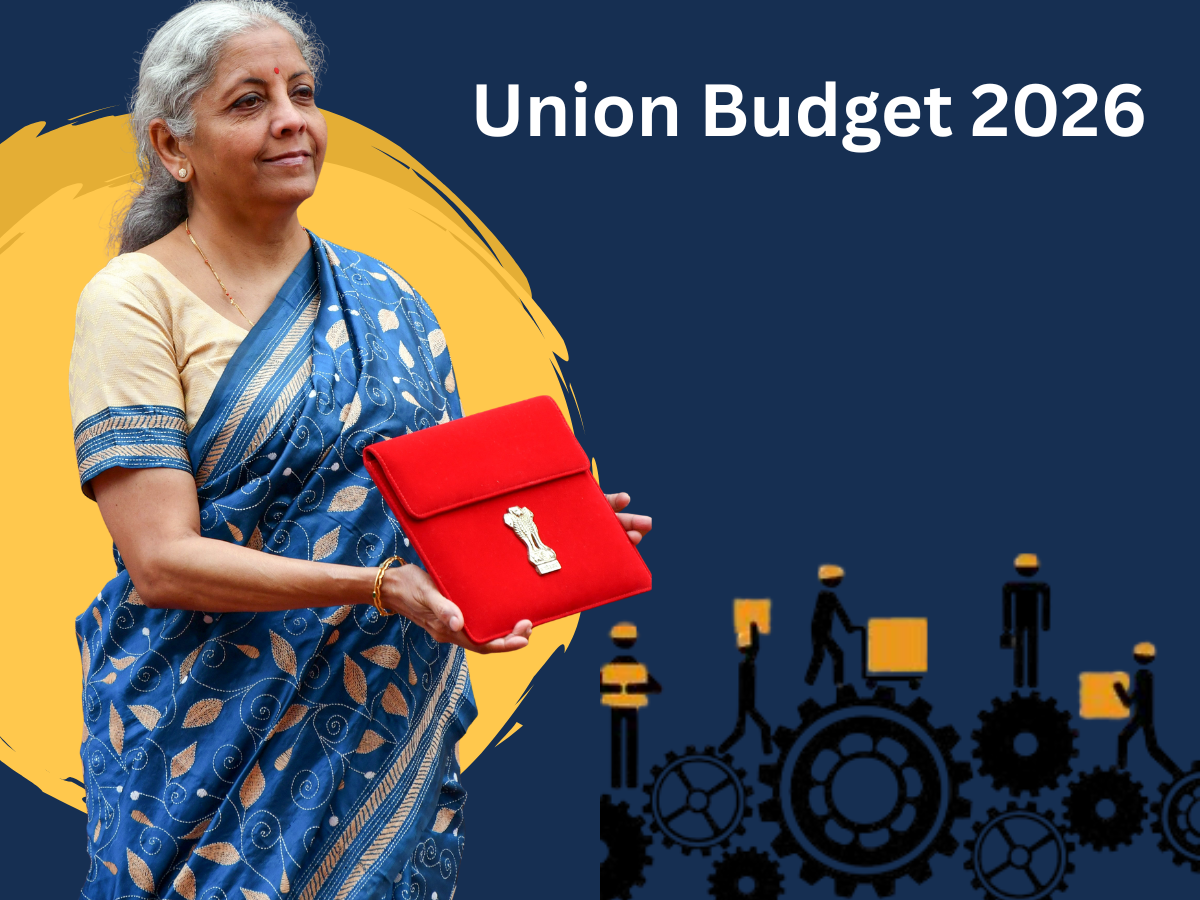
Union Budget 2026: The Budget for 2026-27, presented by Finance Minister Nirmala Sitharaman, focuses on encouraging the MSME sector in India. Recognizing the fact that the MSME sector accounts for 29% of GDP, 36% of manufacturing and 44% of exports, the government has announced the creation of a SME Growth Fund worth Rs 10,000 crore and increased the Self-R Reliant India Fund by Rs 2,000 crore and this move will help the MSME sector in terms of accessing credit, advancing technology and reviving the clusters.
Budget 2026 MSME Initiatives
The Budget had several strands linking the Government e-Marketplace to TReDS to facilitate payments, giving a new lease of life to 200 old industry clusters and encouraging SMEs for productivity, formalization and export-readiness. The Self-Reliant India Fund, which has a total of Rs 50,000 crore, gets additional equity support to keep micro-enterprises alive, while the SME Growth Fund targets small and medium-sized enterprises with high growth potential.
Union Budget 2026: MSME Role in India’s Economy
Small and medium-sized enterprises remain the backbone of the Indian economy and society, employing over 110 million people in manufacturing, trade and services. There are approximately 64.5 million registered units, including the estimated number of micro-enterprises, which contribute to growth, innovation and exports. The importance of entrepreneurship and financial inclusion makes policy support crucial for economic stability.
Why India’s MSME Growth Hits a Roadblock
Small and medium-sized enterprises are very important, but they face challenges and they find it difficult to access credit, have outdated technology, struggle with late payments, and have to deal with red tape. High regulatory costs and an unbalanced regional infrastructure are also contributing factors. These bottlenecks hinder growth, reduce export competitiveness and cause many small businesses to operate in the informal sector.
Government Focuses on Tier 2 & Tier 3 Cities as MSMEs Drive Industrial Growth
The minister highlighted that the government will continue investing in infrastructure development across Tier 2 and Tier 3 cities. The Economic Survey, tabled ahead of Budget 2026 on January 29, underscored that MSMEs form the backbone of India’s industrial economy. According to the survey, the sector contributes 31.1% to GDP, 35.4% to manufacturing output and 48.58% to exports with over 7.47 crore enterprises employing more than 32.82 crore people, MSMEs are the country’s second-largest employer after agriculture.
Outlook After Budget 2026
Through the allocation of targeted funds, the tightening of liquidity levers and the integration of these into trade receivables platforms, the government aims to remove bottlenecks and let MSMEs develop in a sustainable manner. It is believed that these steps may unlock new sources of funds, generate employment opportunities, and increase manufacturing production, thus making MSMEs a driving force behind India’s 8%+ growth trajectory.




