Union Budget 2026 is guided by three ‘Kartavyas’ — growth, people’s aspirations and inclusive access — forming a duty‑driven roadmap for India’s future.
By boosting productivity, the country hopes to generate jobs and strengthen core sectors like infrastructure, technology, and exports.
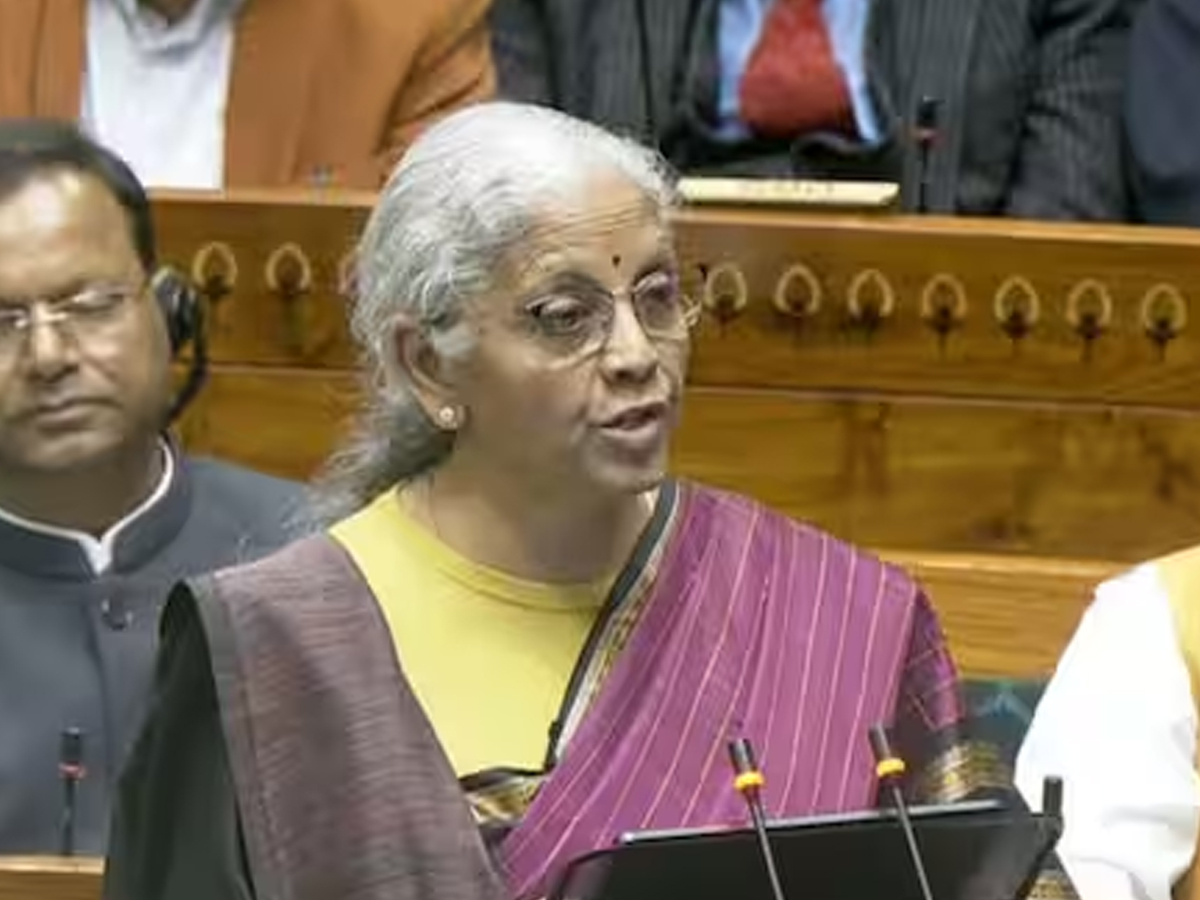
As Finance Minister Nirmala Sitharaman presented the Union Budget 2026 in the Lok Sabha, she highlighted that this year’s Budget is driven by a fresh framework of three ‘Kartavyas’ (duties). The concept reflects the government’s focus on action and accountability in achieving long‑term economic goals.
The three Kartavyas form a clear roadmap for building a resilient, inclusive and dynamic Indian economy in the coming years.
Union Finance Minister Smt. @nsitharaman outlined the theme of three Kartavya in the Union Budget FY 2026-27.#ViksitBharatBudget pic.twitter.com/N2CobyXaen
— Ministry of Finance (@FinMinIndia) February 1, 2026
The first Kartavya centers on accelerating and sustaining economic growth. The Finance Minister stressed that India must enhance its productivity and competitiveness to thrive in an uncertain global environment. This means strengthening manufacturing, increasing investment, and building resilience against external disruptions.
By boosting productivity, the country hopes to generate jobs and strengthen core sectors like infrastructure, technology, and exports.
The second Kartavya focuses on fulfilling the aspirations of the people. Sitharaman explained that this duty aims to build the capacity of individuals and communities, making them active partners in India’s path to prosperity. This involves investments in education, skilling, health, innovation, and employment opportunities.
The goal is to empower citizens — especially youth — to achieve their potential and contribute to national progress.
The third Kartavya aligns with the government’s vision of “Sabka Saath, Sabka Vikas”. It stresses that every family, community, region, and economic sector should have access to resources, opportunities, and amenities.
This duty pushes for balanced development so that growth is not limited to urban or affluent areas but reaches all segments of society, including backward regions and disadvantaged populations.
Sitharaman described these three duties as part of the government’s sankalp (commitment) to the poor, underprivileged, and disadvantaged.
Presenting this Budget from the newly‑named Kartavya Bhavan, she emphasised that the plan is not merely aspirational but action‑oriented, structured around real duties that the government must fulfil for a Viksit Bharat (developed India).
To support these Kartavyas, the government underlined the need for a supportive ecosystem. This includes:
These three Kartavyas represent a shift from broad slogans to measurable duties. By focusing on growth, people’s potential, and inclusive access, the Budget lays out a framework that attempts to balance economic expansion with social inclusion.
This duty‑based model aims to harness India’s demographic advantage, especially its youth energy or “yuva shakti”, by aligning policy actions with real outcomes.
The Union Budget 2026’s three Kartavyas provide a clear path forward: accelerate growth, empower citizens, and ensure inclusive development.
With this duty‑based approach, the government seeks to transform aspirations into achievements and strengthen India’s journey toward becoming a truly Viksit Bharat, a developed, resilient, and equitable nation by 2047.
