Union Budget 2026: New tax regime benefits young and middle-class earners with simplified slabs and higher exemptions. Check who gains most, revised rates and how to choose the best option.
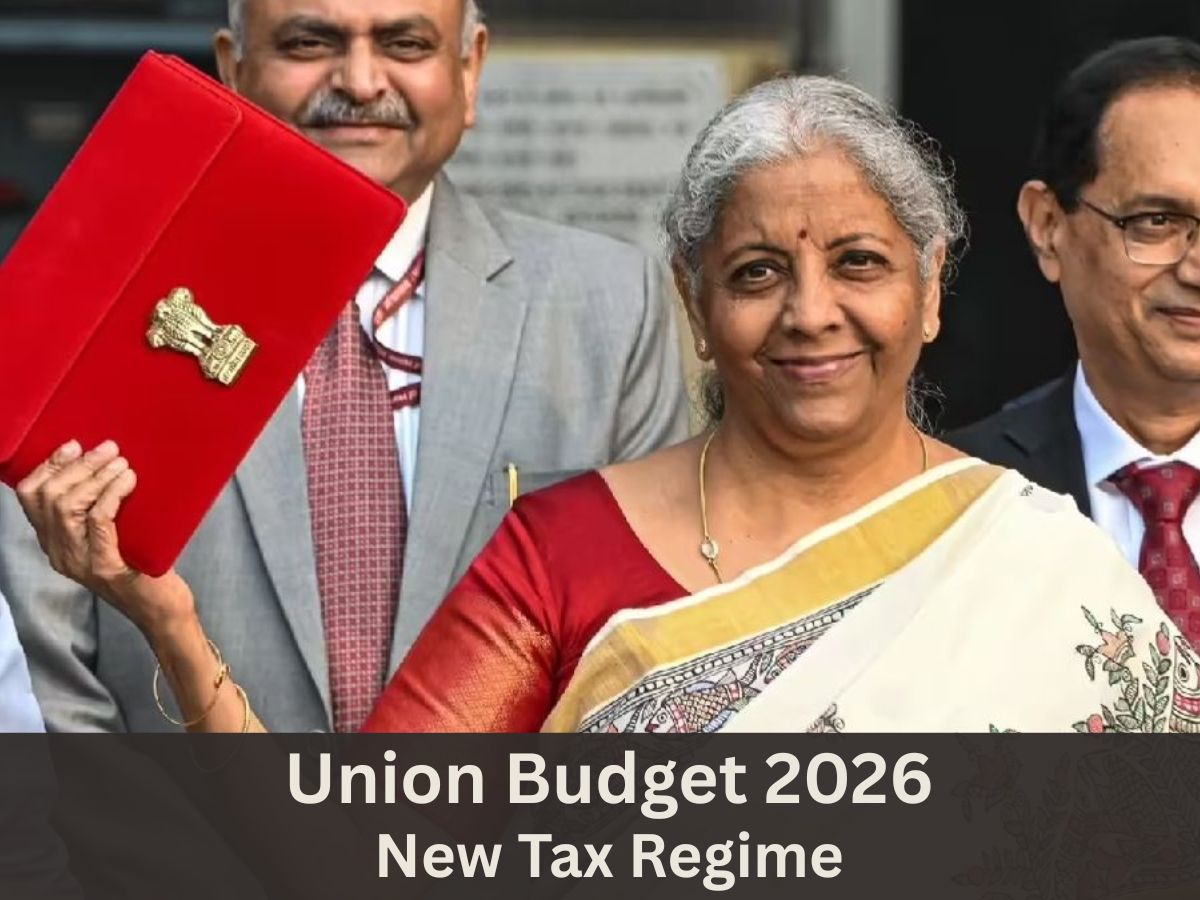
Union Budget 2026: New tax regime benefits young and middle-class earners
India's new income tax regime has become increasingly attractive for taxpayers after recent revisions. Simplified slabs, higher exemptions and fewer conditions make it especially appealing to a wide group of taxpayers, especially those who prefer straightforward tax calculations over juggling deductions.
The new tax regime is an optional income tax system introduced by the Indian government to simplify how individuals pay taxes. Unlike the old regime, it does not offer many deductions and exemptions, but compensates with lower and more transparent tax rates.
Under the new regime, taxpayers can choose between the simplified tax structure or retain the old system with deductions and exemptions — whichever gives them a lower tax bill.
Here is how the updated slab rates are structured under the new tax regime (applicable for FY 2025–26 and beyond):
One big highlight is that income up to ₹12 lakh is effectively tax-free for many taxpayers after accounting for the higher rebate under Section 87A — a central incentive in the updated regime.
The new tax regime provides noticeable advantages to several groups of taxpayers, particularly:
If you have straightforward income, like a salary or a pension, and don’t rely on a large number of deductions (like investments under Section 80C, home loan interest, etc.), the lower slab rates can reduce your overall tax liability without any complex calculations.
New entrants to the workforce or first-job earners typically have limited tax-saving investments. The new regime gives them the benefit of lower tax rates with minimal paperwork and planning.
People earning moderate incomes with few tax-saving investments, such as basic savings and small expenses, can often pay less tax under the new regime than the old one because of the simpler slab structure and higher effective exemption.
Those who prefer ease of compliance and transparent tax obligations choose the new system because it keeps tax calculations straightforward — especially without having to optimise deductions and track multiple investment instruments.
The latest changes significantly shift the income tax landscape:
The key difference lies in deductions and exemptions:
For some taxpayers, especially those with high investments or specific exemptions, the old regime still makes sense. However, for most with simple income and limited deductions, the new regime often results in lower taxes and easier compliance.
Choose the new tax regime if:
Stick with the old regime if:
Experts say the updated regime, with its broader slab range and higher exemption thresholds, has become much more attractive than before. Many taxpayers who used the old system are now considering switching because the new slabs can lead to better tax savings without needing detailed investment planning.
With the Union Budget 2025 reforms fully in place and the new tax regime gaining traction, it continues to be a key choice for India’s salaried and simple-income taxpayers.
