
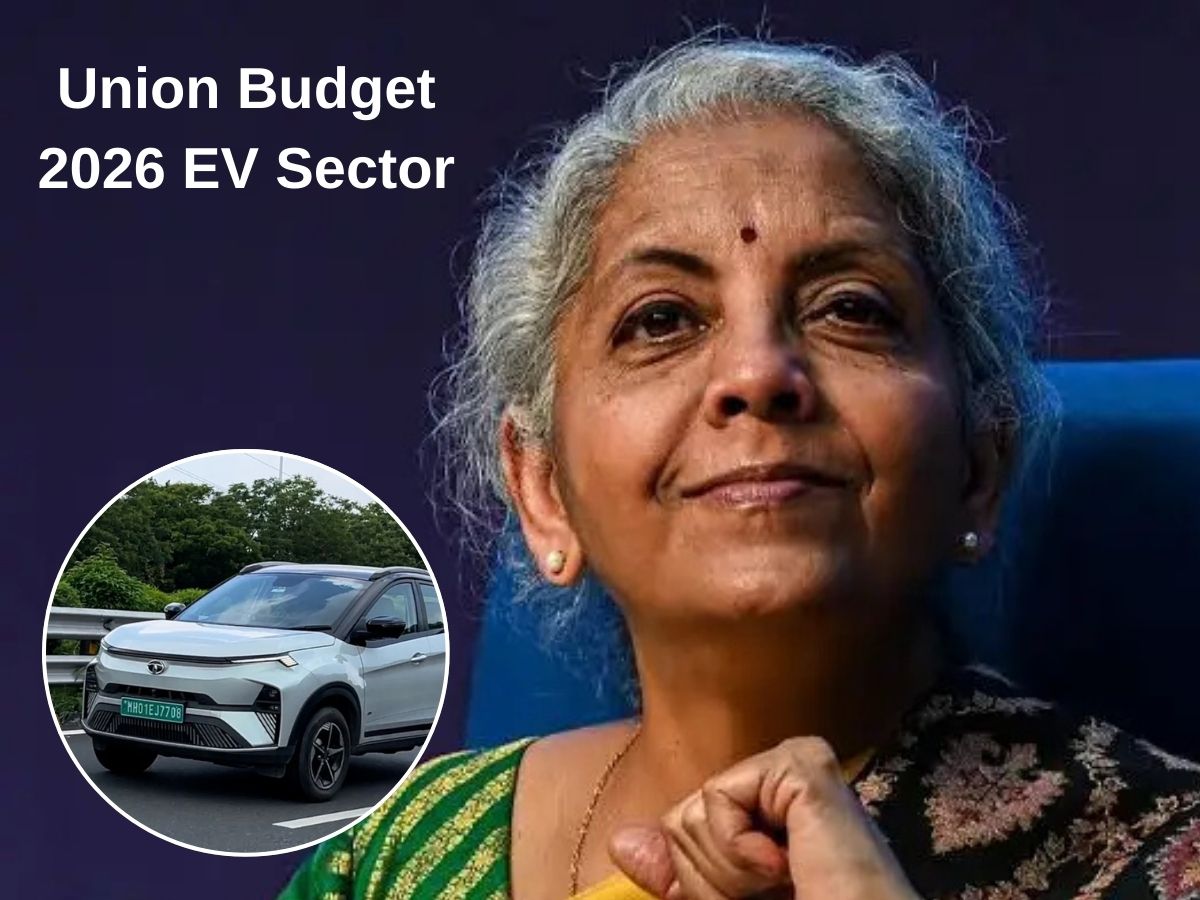
Union Budget 2026: The 2026 Union Budget created beneficial outcomes for India’s electric vehicle (EV) ecosystem through its investments in infrastructure and manufacturing assistance and the establishment of new regulations. The market price of electric vehicles will not decrease right now for buyers, but their future costs and adoption rates will improve according to current predictions.
Budget 2026-27 for EV Cars: Prices Hold Steady
The ex-showroom prices of electric vehicles remained unchanged on February 1 2026, because the government did not announce any GST reductions or direct price cuts. The Tata Nexon EV continues to sell between ₹14.50 and ₹18.50 lakh.
Manufacturers still face the same 5 to 10% battery raw material import duties, which prevent them from transferring manufacturing savings to their customers. The cost of petrol and other internal combustion engine vehicles remains affordable, while no major electric vehicle tax increases have taken effect.
Budget 2026-27: Key Highlights from Budget 2026
- PM E-Drive Scheme: This received support through a combined electric vehicle super application, which enables users to manage charging and payments while accessing EV charging locations and their service stations.
- PLI Expansion program: This will support production of battery gigafactories through recycling operations and production of battery spare parts, which will decrease current repair costs from 18% to lower rates.
- Capital Expenditure: The government increased its capital expenditure by 9% to ₹12.2 lakh crore, which will provide funding for grid expansion projects, incentives and the maintenance of electric vehicle charging infrastructure.
Budget 2026: Comparing 2025-26 vs 2026-27
- Budget 2025-26: The IndiaAI Mission and Quantum government program of 2025-26 created indirect support for electric vehicle technology development. The first phase of PLI 1.0 focused on textile development, while the program provided financial support for electric vehicle programs through its FAME-II subsidy system, which has now ended.
- Budget 2026-27: The 2026-27 period saw policy development shift towards improved service delivery through artificial intelligence committees and specific electric vehicle system projects, together with PLI changes to battery manufacturing facilities. The ecosystem strategy enables domestic production to grow while cutting expenses over time, although subsidies for electric vehicles have not been reinstated.
Although EV prices did not drop immediately, the Union Budget 2026 aims to strengthen India’s EV ecosystem through infrastructure, local manufacturing, and policy support. These measures are expected to indirectly reduce costs over time, supporting widespread adoption and a greener automotive future.
Disclaimer: The information provided is based on Union Budget 2026 announcements and industry estimates. Actual EV car prices may vary depending on manufacturer decisions, model variants, and regional taxes.




