Union Budget 2026 outlines EV policies, infrastructure support, and incentives, impacting prices, adoption, and long-term affordability.
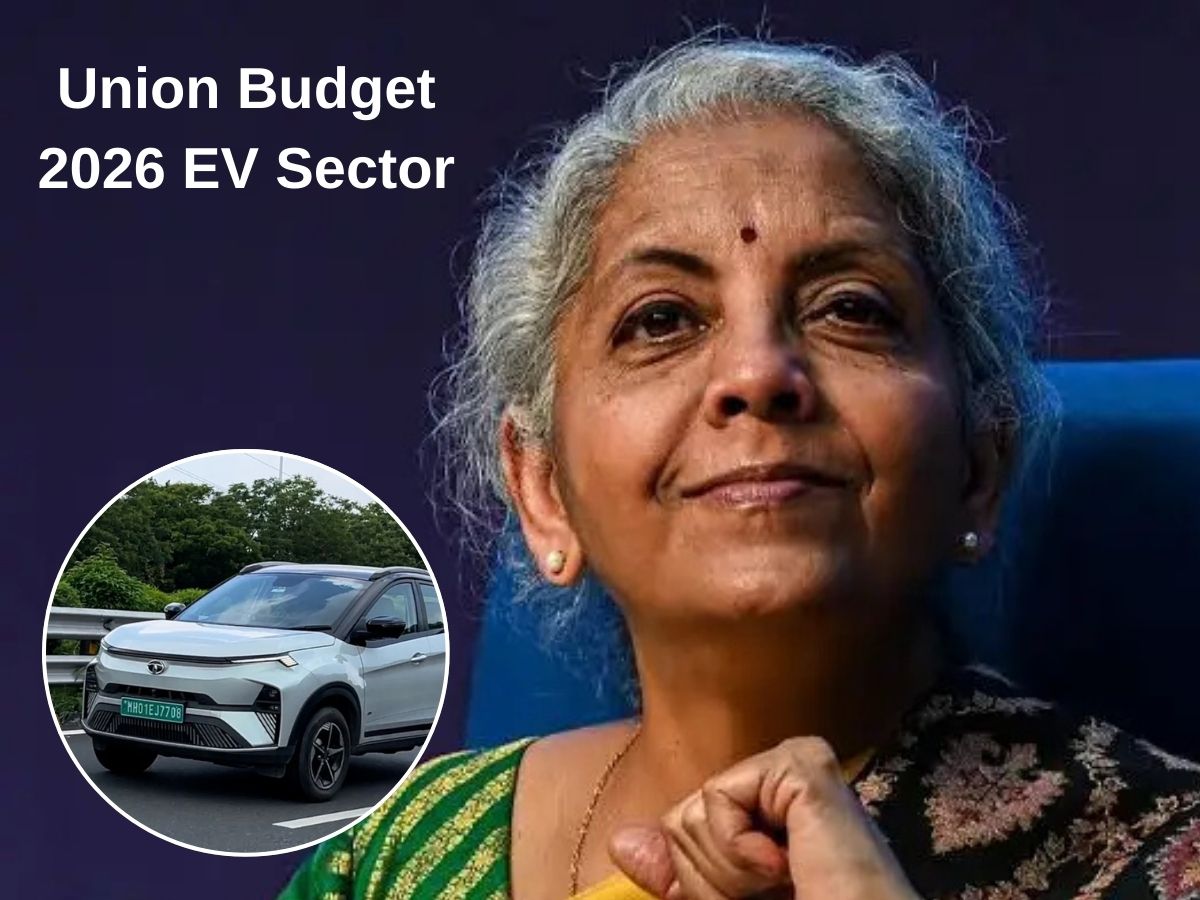
Union Budget 2026 focuses on India’s EV ecosystem with infrastructure support and incentives, affecting long-term EV prices and adoption.
Union Budget 2026: The 2026 Union Budget created beneficial outcomes for India's electric vehicle (EV) ecosystem through its investments in infrastructure and manufacturing assistance and the establishment of new regulations. The market price of electric vehicles will not decrease right now for buyers, but their future costs and adoption rates will improve according to current predictions.
The ex-showroom prices of electric vehicles remained unchanged on February 1 2026, because the government did not announce any GST reductions or direct price cuts. The Tata Nexon EV continues to sell between ₹14.50 and ₹18.50 lakh.
Manufacturers still face the same 5 to 10% battery raw material import duties, which prevent them from transferring manufacturing savings to their customers. The cost of petrol and other internal combustion engine vehicles remains affordable, while no major electric vehicle tax increases have taken effect.
Although EV prices did not drop immediately, the Union Budget 2026 aims to strengthen India’s EV ecosystem through infrastructure, local manufacturing, and policy support. These measures are expected to indirectly reduce costs over time, supporting widespread adoption and a greener automotive future.
Disclaimer: The information provided is based on Union Budget 2026 announcements and industry estimates. Actual EV car prices may vary depending on manufacturer decisions, model variants, and regional taxes.
