Mobile industry urges Government ahead of Budget 2026 to cut duties and secure supply chains amid China’s export restrictions to boost domestic manufacturing.
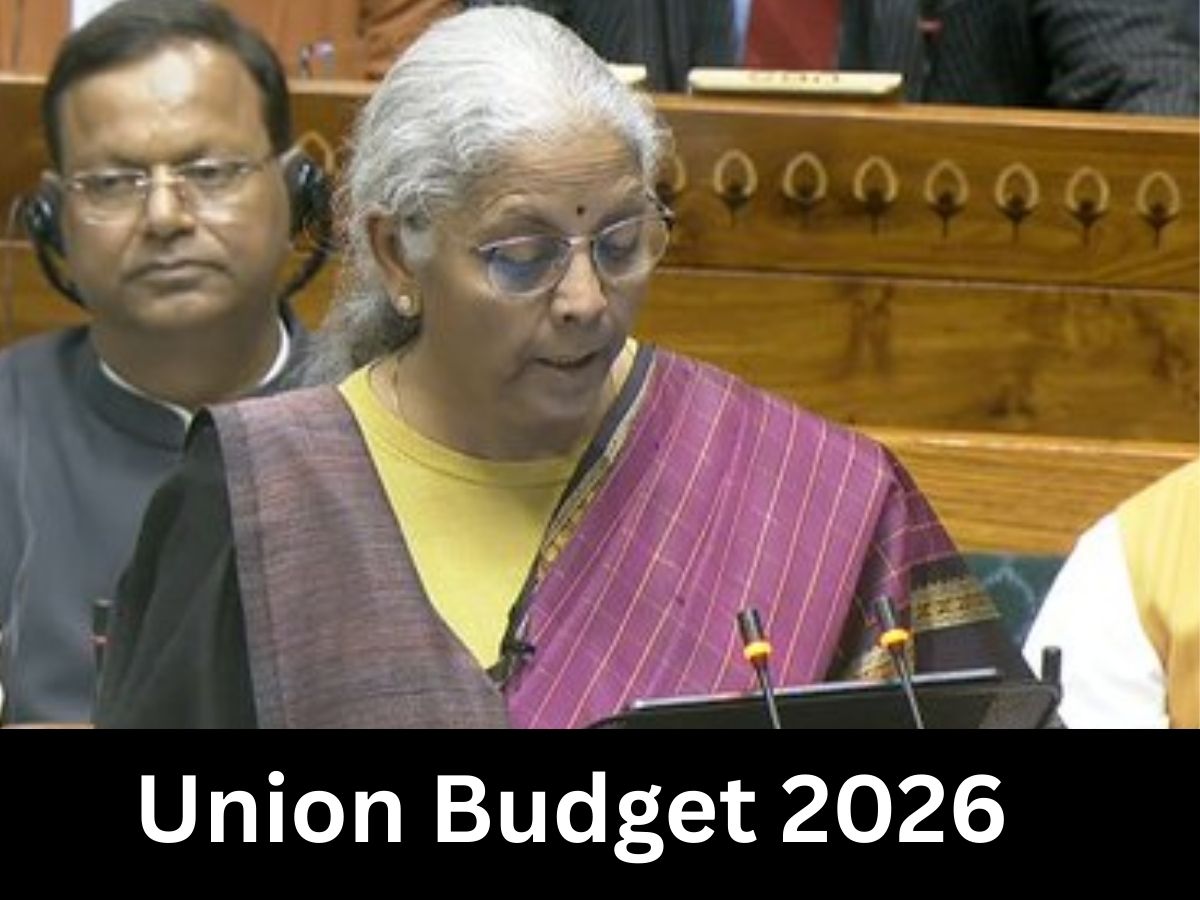
Union Budget 2026 (Source: X)
Union Budget 2026: Ahead of Budget 2026, the India Cellular and Electronics Association (ICEA) has submitted its recommendations to the government, citing China’s export restrictions as a reason to ease customs duties. ICEA’s members include major global and domestic players such as Apple, Foxconn, Dixon, Xiaomi, Vivo, and Oppo. The association has called for reduced duties on mobile components, capital goods, and wearables to lower handset production costs in India.
“China’s recent export restrictions on manufacturing machinery have heightened supply-chain risks, making India’s reliance on imported equipment a strategic vulnerability. We therefore recommend that the government extend the current zero-duty benefit on capital equipment to cover all constituent components, sub-assemblies, and assemblies imported specifically for manufacturing purposes,” said ICEA, as reported by PTI.
The association noted that certain specialised machinery required for mobile phone and lithium-ion cell production remains outside the scope of existing duty exemption notifications. While the Union Budget 2025-26 provided exemptions for several capital goods, these essential machines are still excluded, resulting in higher project costs and incomplete production lines.
“These machines are not produced domestically, and importing them incurs significant duties, increasing capital expenditure by 7.5–20 per cent,” ICEA added.
Global supply chain constraints and China’s export restrictions on battery materials have made it urgent to build domestic manufacturing capacity. ICEA said, “Extending exemptions will lower setup costs, accelerate commissioning, enhance export competitiveness, and create employment across the energy-storage ecosystem.”
The association also recommended that import duty exemptions be applied to machinery used in lithium-ion cell manufacturing, enabling India to strengthen self-reliance in the electronics sector.
ICEA urged the government to rationalise taxes on display panels, including screens used in smartphones, tablets, and automobile dashboards. Its recommendations include:
Applying a 15% import duty on fully assembled displays used in electronics manufacturing.
Exempting all components used to manufacture display assemblies from customs duty to encourage local production.
The body also requested a reduction in import duty on printed circuit board assemblies (PCBA) from 15% to 10%.
“As PCBA manufacturing is already well localised, a duty reduction will not adversely impact domestic producers. Instead, it will enhance India’s cost competitiveness, promote fair market practices by discouraging arbitrary pricing behaviour, and further strengthen the domestic electronics manufacturing ecosystem,” ICEA said.
ICEA has asked the government to cut the basic customs duty on finished hearables and wearables from 20% to 15%, making imported audio devices more affordable.
“A moderate reduction will not adversely affect domestic manufacturing but will enhance India’s image as a progressive, market-oriented economy. The 15% rate reflects India’s shift toward a uniform and moderate peak tariff structure, promoting market access, scale, and affordability,” ICEA said.
ICEA’s recommendations focus on reducing import duties, expanding exemptions for critical machinery, and rationalising taxes on components. These measures aim to lower production costs, strengthen domestic manufacturing, enhance export competitiveness, and generate employment, while addressing supply chain risks caused by global restrictions.
