
The long-running Shaksgam Valley dispute between India and China has flared up again. China has publicly defended its territorial claim and ongoing infrastructure work in the region, triggering a sharp rebuttal from India.
India insists the territory is its own and has rejected China’s narrative as illegitimate and provocative, bringing fresh tension to an already complex Himalayan border row.
Indian Army Chief Rejects China’s Claim on Shaksgam Valley
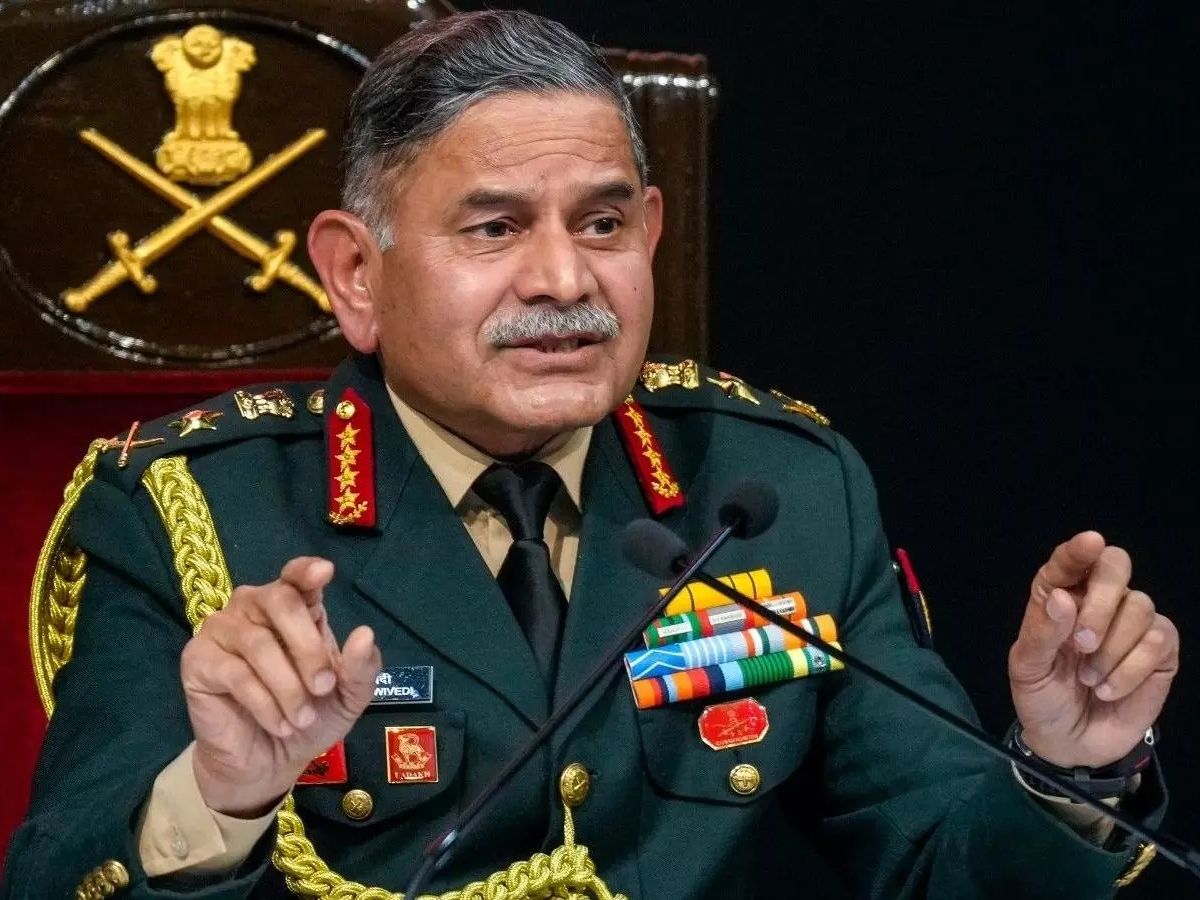
India’s Army Chief General Upendra Dwivedi has reiterated a firm position on the Shaksgam Valley, calling China’s claim “unacceptable” and rejecting the legal basis China cites. India has consistently held that the 1963 boundary agreement between Pakistan and China, which transferred control of the area to Beijing, is illegal because Pakistan had no right to cede territory that belonged to India.
General Upendra Dwivedi and other Indian officials have stressed that any activities by China in the valley are not approved by India and violate its sovereignty. This marks a clear pushback against what India sees as an attempt to normalise an arrangement it has always disputed.
What is the Shaksgam Valley Dispute?
The Shaksgam Valley, also known as the Trans‑Karakoram Tract, is a remote and rugged region north of the Karakoram mountain range. India claims it as part of the former state of Jammu & Kashmir and the modern Union Territories of Jammu & Kashmir and Ladakh. The area was under Pakistani control after the first India‑Pakistan war but was later handed to China in 1963 under a pact India does not recognise.
Pakistan ceded about 5,180 sq km of this territory to China in that agreement, a move India rejects as illegal. For decades, the dispute over who legitimately owns the Shaksgam Valley has simmered under the surface of broader India‑China tensions.
What China Says on the Shaksgam Valley Conflict?
China has doubled down on its claim, with Foreign Ministry spokesperson Mao Ning stating bluntly, “The territory you mentioned belongs to China.”
Beijing argues that the 1963 boundary agreement with Pakistan established a lawful frontier and that infrastructure work in the Shaksgam Valley is “fully justified” because it is on Chinese territory. Mao also dismissed India’s objections to the China‑Pakistan Economic Corridor (CPEC) as irrelevant to China’s stance on the wider Kashmir issue, maintaining that the position has not changed.
China has again rejected India’s claim over the Shaksgam Valley in Jammu and Kashmir. Chinese Foreign Ministry spokesperson Mao Ning said the area belongs to China and that infrastructure work there is justified as it is being carried out on Chinese territory. pic.twitter.com/u2yPPYxACz
— BigBreakingWire (@BigBreakingWire) January 13, 2026
China presents CPEC as a project aimed at economic cooperation and local development. It insists that neither the pact nor the corridor affects its views on the Kashmir dispute, and calls for a peaceful resolution within international frameworks.
Shaksgam Valley in Jammu & Kashmir: What is the Row All About?
At the core of the dispute are sovereignty, territorial integrity and strategic influence. For India, Shaksgam is part of its constitutional territory, and any attempt to legitimise foreign control there is unacceptable. China, meanwhile, points to the bilateral pact with Pakistan as the legal basis for its activity.
India also objects to CPEC, which runs through parts of territory under Pakistani occupation that India claims, saying that allowing its development would tacitly accept the loss of land. The renewed focus on Shaksgam comes amid broader concerns about China’s infrastructure expansion close to the Line of Actual Control (LAC) and deeper Chinese involvement in South Asian geopolitics.
Why Shaksgam Valley Matters So Important?
The Shaksgam Valley isn’t just about a patch of snow‑covered land. Its strategic position near the Siachen Glacier and the Karakoram highway network gives it military and geopolitical significance. Control or influence over the valley could affect movement and power projection across a vast, sensitive frontier region.
For India, standing firm on Shaksgam is about defending territorial claims, maintaining strategic depth along its northern borders, and resisting narratives that could set precedents for other disputes. For China, reaffirming its claim reflects a broader effort to solidify influence in contested border regions through diplomatic, economic and infrastructure means.
The row over the Shaksgam Valley underscores that despite dialogues and confidence‑building measures between India and China in recent years, foundational disagreements over territory remain deeply unresolved and can resurface at any time.




