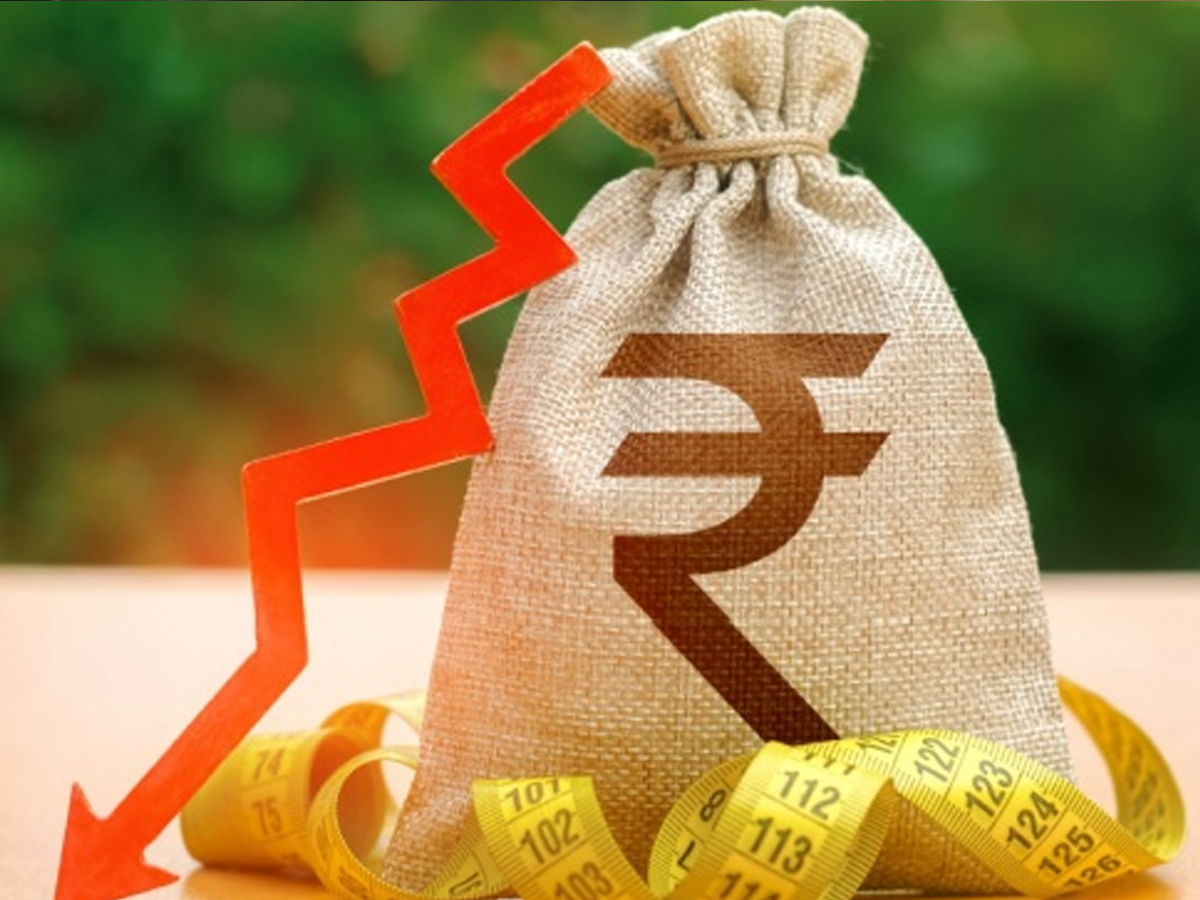
The biggest reason behind the rupee’s sharp decline is the sudden surge in global oil prices. (Photo: Social Media)
The Indian currency faced intense pressure on Wednesday as global tensions triggered a sharp spike in crude oil prices, pushing the rupee to its weakest level ever. Investors rushed toward safe-haven assets after the escalating conflict involving the United States, Israel, and Iran rattled global markets.
The Indian rupee slipped past the crucial 92-per-dollar mark for the first time in history. It touched 92.30 against the United States dollar, marking a fall of nearly 0.8% during the day. The drop surpassed its previous record low of 91.9875 recorded earlier this year.
The biggest reason behind the rupee’s sharp decline is the sudden surge in global oil prices. The intensifying Middle East conflict has raised fears of supply disruptions, especially from key energy-producing regions.
Brent crude jumped above $82 per barrel after rising nearly 12–13% in just two days — its steepest rally since 2020. Traders fear that prolonged tensions could affect oil shipments through critical Gulf routes.
India imports more than 80% of its crude oil needs. When oil prices rise sharply, the country pays more for imports. This increases the trade deficit and weakens the rupee.
Economists estimate that every $1 rise in crude oil prices increases India’s import bill by nearly ₹16,000 crore. That makes the rupee extremely sensitive to oil shocks.
Higher oil prices create multiple economic challenges. They push up fuel costs, increase transportation expenses, and raise inflation risks. Rising inflation often forces policymakers to take tougher monetary measures, which can slow economic growth.
The government has already flagged concerns. The Ministry of External Affairs warned that disruptions in the Gulf region could seriously affect India’s economy.
“Any major disruption has serious consequences for the Indian economy,” the MEA said, noting that India’s trade and energy supply chains pass through the region.
The Gulf remains critical for India not only because of oil imports but also due to trade routes and the presence of millions of Indian workers.
Market participants believe the Reserve Bank of India stepped into the foreign exchange market after the rupee breached the 92-per-dollar level. Reports suggest that the central bank sold dollars to reduce volatility and prevent panic-driven selling.
However, analysts warn that sustained high oil prices could keep pressure on the currency.
“Higher crude is a direct risk to rupee — we expect slightly heavier RBI intervention, but if oil prices remain high, we may have to tolerate a weaker rupee,” Dhiraj Nim, forex strategist at Australia & New Zealand Banking Group Ltd, told Bloomberg.
Some strategists now expect the rupee to test the 93-per-dollar mark if geopolitical tensions continue.
The currency shock triggered a wider sell-off in equity markets. The benchmark BSE Sensex plunged nearly 1,800 points during intraday trade. The NIFTY 50 dropped more than 550 points as investors exited riskier assets.
The overall market capitalisation of BSE-listed companies declined by nearly ₹12 lakh crore in a single session. Meanwhile, India VIX, the volatility index, jumped over 20%, reflecting rising nervousness among traders.
Foreign institutional investors have resumed selling Indian equities in recent weeks. Rising geopolitical uncertainty and a weakening currency have made emerging markets less attractive.
When the rupee falls sharply, foreign investors see lower returns once they convert profits back into dollars. This accelerates capital outflows and adds further downward pressure on the currency.
Much depends on oil prices and developments in the Middle East conflict. If crude stabilises, the rupee could recover with support from RBI intervention. But if oil remains elevated and global tensions intensify, the currency may weaken further.
For now, markets remain cautious. Investors are closely watching crude prices, central bank action, and geopolitical updates that could determine the rupee’s next move.
