Weather Update: Delhi hits highest January temperature in 7 years; GRAP Stage 3 lifted, strong solar storm sparks warnings for satellites and aviation.
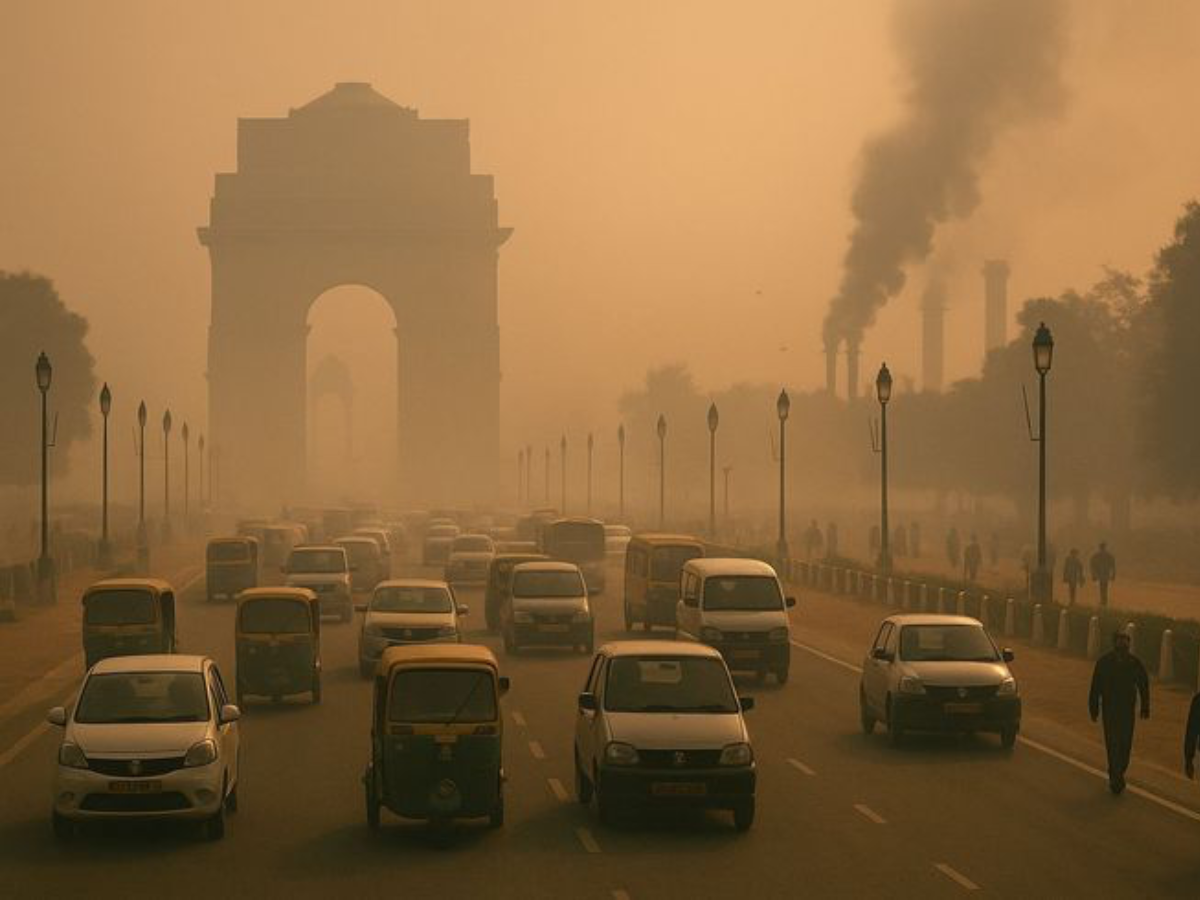
Delhi basks in unseasonal warmth as Safdarjung records 27.1°C while solar storms illuminate skies and trigger alerts for aviation (Photo: File)
Delhi Weather Update: In Delhi, January has been unusually pleasant, registering a record high for a January day and the maximum temperature for Safdarjung, located here, rose to 27.1 C, surpassing its previous high-recorded-temperature record in 2019 by 0.8 C. The previous maximum had been 28.7 C. The citizens appreciated this abnormal weather, but complains have emerged due to low temperatures, ranging around 6.3 C, in early mornings. The meteorological department has reported Safdarjung has risen by 6.8 C over its regular seasonal level and by 2.9 C over its previous day’s level at Ayanagar, located here, the maximum rose to
The Commission for Air Quality Management (CAQM) removed the Stage 3 restrictions under the GRAP guidelines today, Thursday, with the improvement in air and favorable weather. But residents have also been advised to adopt Stage 1 and 2 precautions to prevent the deterioration of air quality in the coming days.
According to the forecast by the India Met Department (IMD), the air quality will remain moderate to poor for the next few days.
On January 22, 2026, the Commission for Air Quality Management indicated that, based on forecasts by the Indian Meteorological Department, the air quality is going to remain within the "moderate" to "poor" bracket over the days to come, encouraging the Sub-Committee to immediately revoke the January 16, 2026, order activating GRAP Stage 3 restrictions. Authorities, however, cautioned that despite remaining in GRAP stages 1 and 2, residents need to follow these restrictions very seriously, owing to rather tricky weather conditions prevailing through the winter season.
While Delhi is experiencing an unusually hot winter, the short relief in NCR due to the pollution rules being lifted might remind people that, as more intense solar activity and altered weather patterns combine to create a rising need to watch both what's happening on Earth and up in space, taking precautions against air pollution and space weather is crucial for public safety.
