
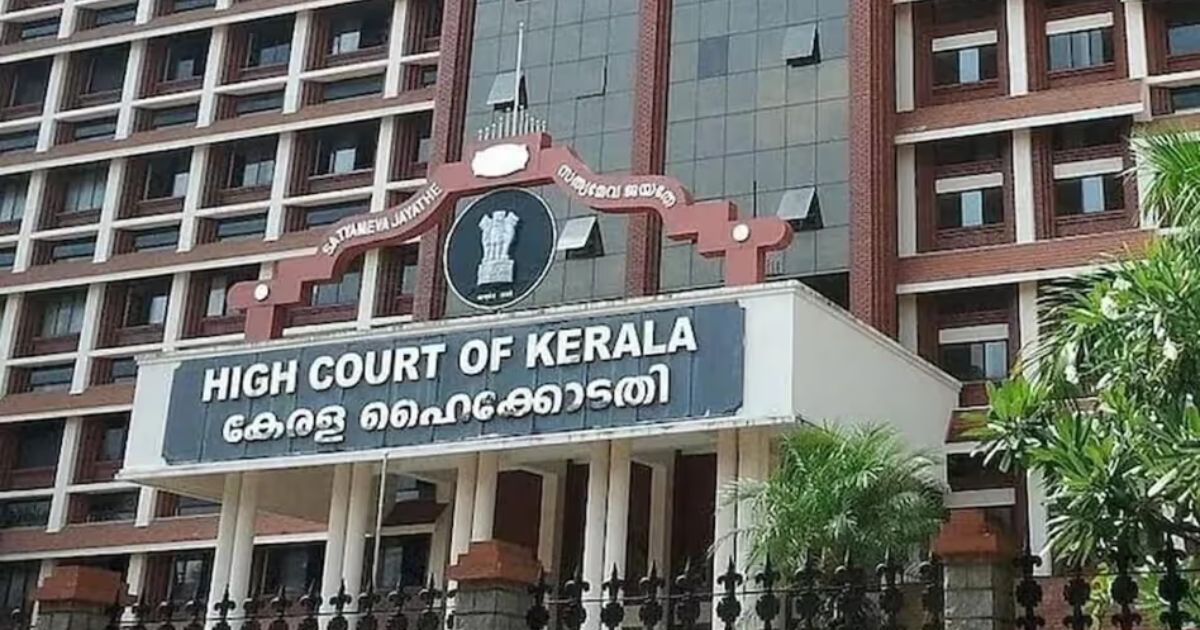
Kohima: The Kerala High Court has issued a set of directions to the four Devaswom Boards in the state – Travancore, Cochin, Guruvayoor, and Malabar – aimed at improving access to temples for persons with disabilities (PWDs).
The order followed a suo motu case initiated based on a complaint by T. Suganthi, who faced difficulties during her visit to the Sree Vadakkumnathan Temple in Thrissur when she was denied permission to carry her wheelchair inside.
The court took up the matter after being informed that persons with disabilities face significant barriers while accessing temples due to narrow passages, architectural constraints, and geographic limitations. The amicus curiae, Advocate V. Ramkumar Nambiar, submitted an interim report outlining practical suggestions for facilitating temple visits for differently-abled devotees.
The Devaswom Boards, however, submitted counter affidavits explaining that implementing uniform solutions across temples is challenging due to their unique structures, historical designs, and limited space.
The bench, comprising Justice Raja Vijayaraghavan V. and Justice K.V. Jayakumar, referred to Article 25 of the Constitution and provisions of the Rights of Persons with Disabilities Act, 2016 (RPwD Act). It emphasized that ensuring access for PWDs is not an act of charity but a constitutional and statutory obligation. The court observed, “Upon a careful reading of the provisions of the Rights of Persons with Disabilities Act, 2016, we are of the considered view that, to give full effect to the guarantees of equality, dignity, and non-discrimination embodied therein, persons with disabilities must be afforded appropriate and reasonable accommodations and be accorded priority in access to facilities and services. Such measures are not a matter of charity but a statutory and constitutional mandate designed to secure substantive equality.”




