
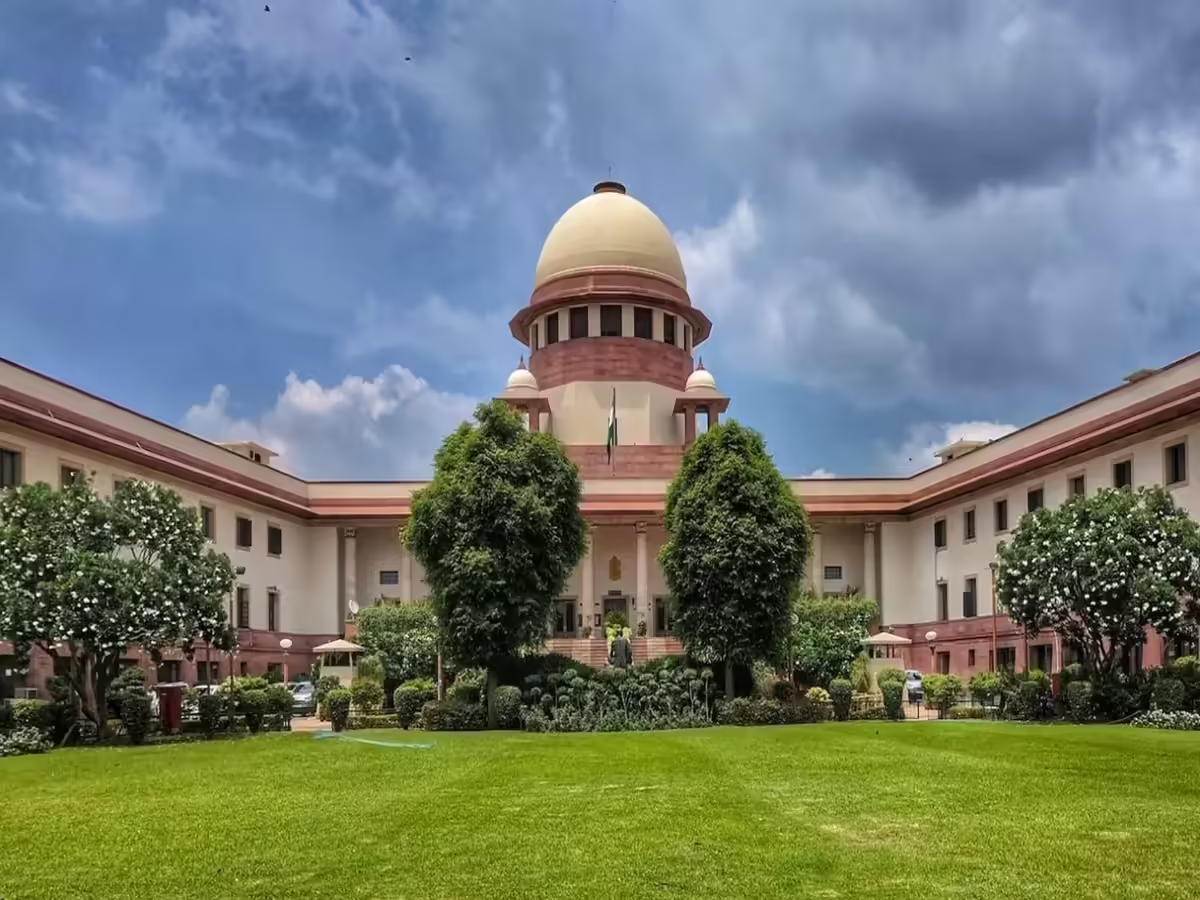
NEW DELHI: The Supreme Court on Friday permitted the termination of the pregnancy of an 18-year-old girl from Maharashtra, who was allegedly sexually assaulted and was 30 weeks pregnant, observing that a woman’s right to bodily autonomy and reproductive choice is paramount. A bench comprising Justices BV Nagarathna and Ujjal Bhuyan emphasised that the Court cannot compel any woman to continue a pregnancy if she is unwilling to do so.
“Ultimately, the denominator is that the child is illegitimate and the mother does not want to bear the child. The mother’s reproductive autonomy must be given emphasis. The court cannot compel any woman to complete her pregnancy if she is otherwise not intending to do so. We accept the submissions made by the counsel on behalf of the appellant. The appellant’s child may undergo medical termination of pregnancy”, the Bench observed.
At the outset, the apex court acknowledged that the case placed it in a serious moral and legal dilemma, as the pregnancy had crossed 30 weeks and the foetus was viable. “This is not an easy decision for us,” the Court said. During the hearing, the Bench repeatedly examined whether it could legally deny termination when the girl had clearly expressed her unwillingness to continue the pregnancy. “Can the court say no if she wants to discontinue pregnancy?” the Court asked.
The bench noted that there was no medical report indicating a grave threat to the girl’s life, either by continuing or terminating the pregnancy and said the core issue was dependent on her choice. “The question is whether she wants to give birth or not,” the Court queried. The Bench also questioned the Bombay High Court’s earlier decision on the issue, where it reasoned that the girl could deliver the child and later give it up for adoption. “Then why does she want termination?” asked the apex court from the counsels appearing before it.
In response, the counsel for the appellant (mother of the pregnant girl) submitted that forcing the girl to carry the pregnancy to full term would subject her to severe mental trauma, physical suffering and social stigma. “When she goes back to her area (her neighbourhood) in a full pregnant state, she will face trauma,” the counsellor responded.




