
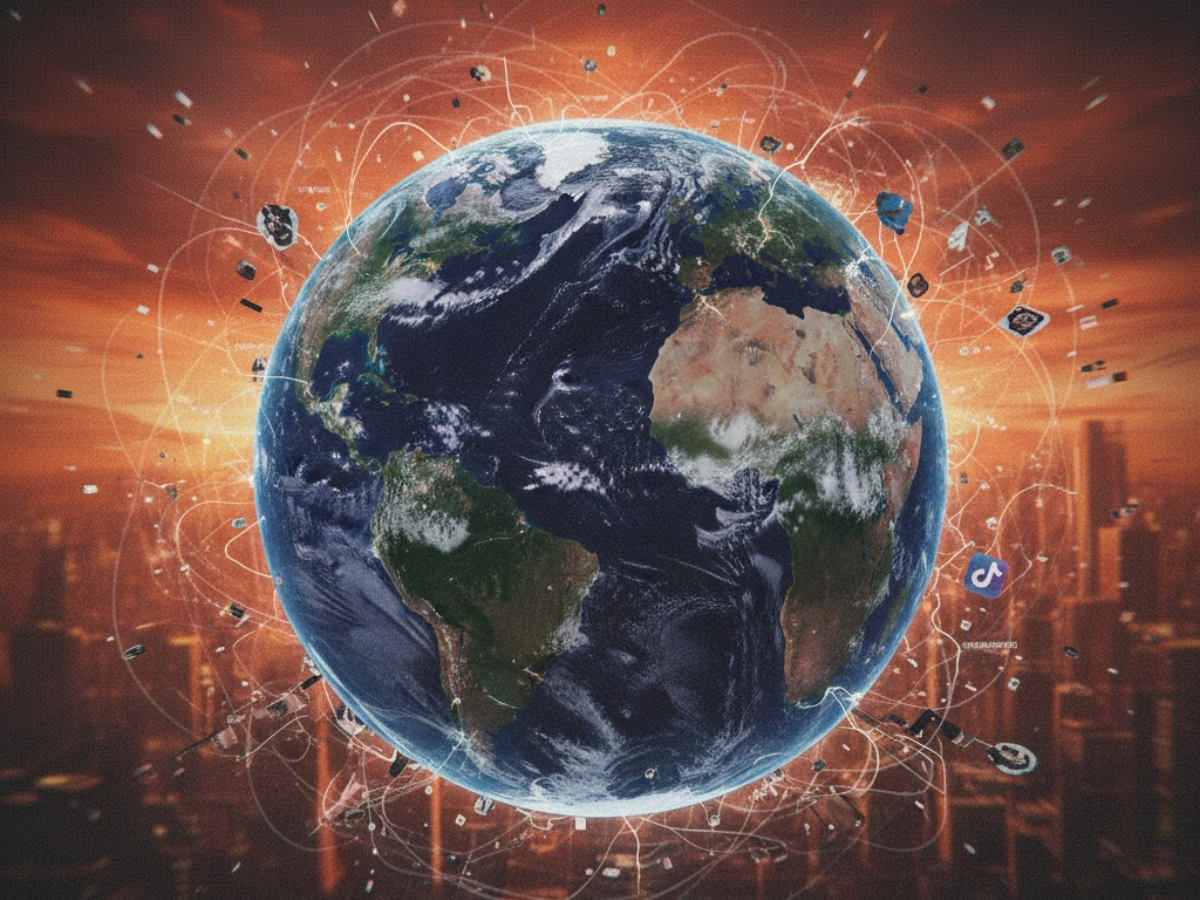
Doomsday Predictions 2026: The year 2026 has arrived, amid a host of doomsday prophecies that seem to run virally on social media. Memes indicate humorously, “Duniya shesh, sab khatam, tata, bye bye,” but hidden behind jests are warnings from mystics, prophets and online interpreters. Apocalyptic World War III to calamity rich natural catastrophes to alien contact these are the streams of conversation going on.
Baba Vanga, Athos Salom & the Doomsday Phenomenon
One major figure who contributed towards this trend is Baba Vanga, whose prophetic forecasts for the end of the world are now renowned. Baba Vanga, who was born in Bulgaria and went blind at the age of twelve and died in 1996, made famous forecasts for the end of the world. Baba Vanga, who called for peace and love for all living beings, made some major forecasts, including world wars, natural disasters covering 7% to 8% of the planet, an “AI revolution in society and even contact with aliens.”
Similarly, another famous prophet from Brazil, Athos Salom, forecasted cyber wars and an “AI revolution in society.” The Pakistani spiritual leader Riaz Ahmed Gohar Shahi allegedly predicted a fiery comet. The flood prediction by Ghana prophet Ebo Noah, which went awry, further fueled this phenomenon.
What are the Doomsday Theories
Doomsday theories for 2026 encompass a wide range of scenarios. They include:
- Global war involving major powers such as the U.S., Russia and China.
- Extreme climate events, including floods, hurricanes and earthquakes.
- Technological disruptions from AI and cyber warfare.
- Extraterrestrial encounters, allegedly predicted for late 2026.
Despite the sensational media coverage, the available historical evidence tends not to show this fear manifesting in reality on many occasions in the past. In reality, while many Doomsday predictions, such as fears of the Y2K crisis or predictions based on the Mayan calendar in 2012, did indeed cause fear in people’s minds, they also turned out to be false in the end.
Why Do Doomsday Prophecies Go Viral?
Doomsday predictions surge in popularity because they appeal to very strong emotions in people including fear and uncertainty. Social media algorithms boost sensational posts and shares, likes and comments make it appear more credible. Psychologists say assigning a specific end date gives cognitive closure to chaotic global events wars, climate disasters and economic instability. A defined narrative even improbable makes them more comforting since it reduces the angst of ongoing and complex threats.
Is 2026 the Year Everything Ends?
The short answer is no. Even though there might be geopolitical tension in 2026, natural catastrophes and technological disruptions, there are no indications or proof of any near, actual global apocalypse. Mankind has been through many predicament forecasts-from the Y2K scare to the 2012 end of theories and managed to adapt each time. Instead of fearing the worst, experts wanted skepticism, verification of sources and informed vigilance encouraged. 2026 is expected to be a challenging year, but not one that will bring about the unequivocal end.




