BJP and Congress leaders outline contrasting visions ahead of Kerala Assembly elections.
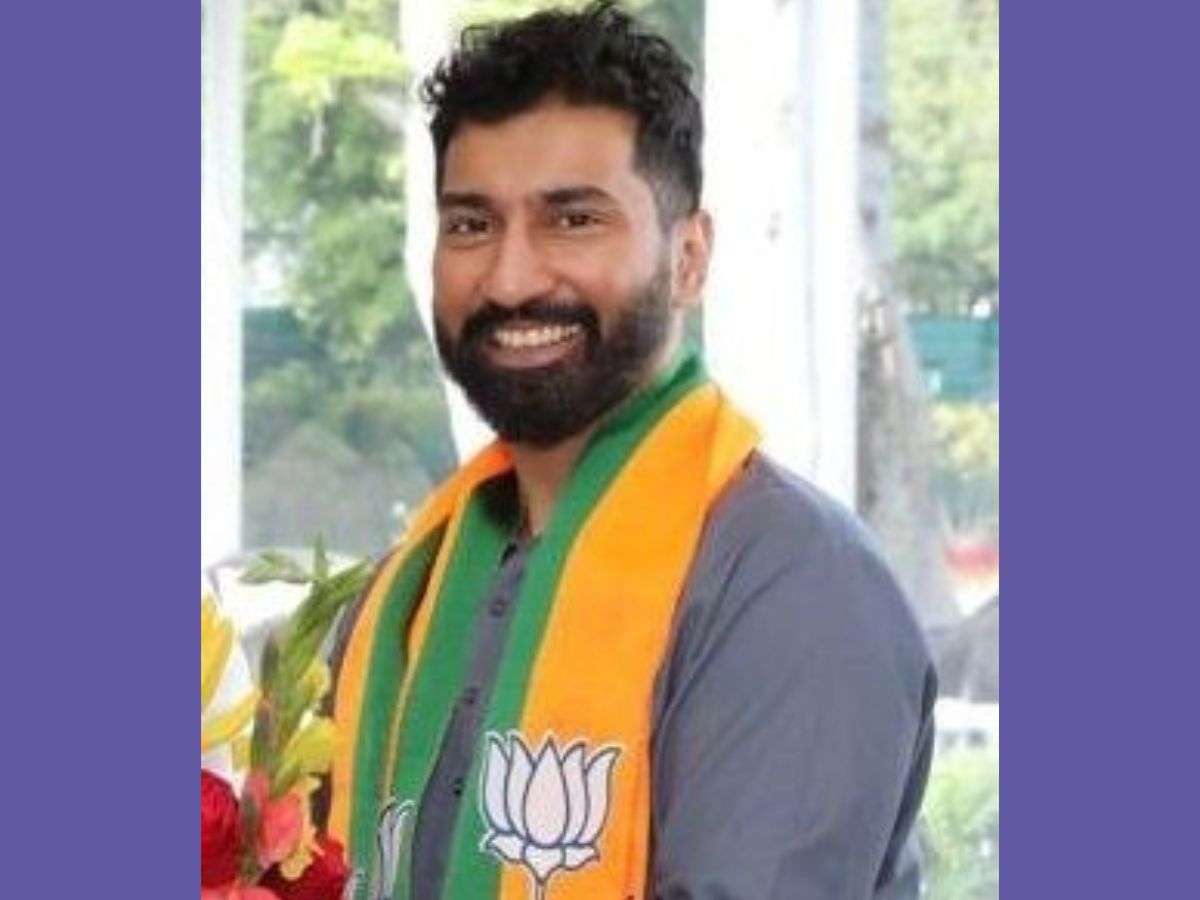
BJP Leader Anil Antony (Image: File)
New Delhi: Anil Antony, National Secretary of the BJP, and senior Congress leader and former Lok Sabha MP Madhu Goud Yaskhi shared their views on Kerala’s political landscape and outlined their parties’ strategies for the upcoming Assembly elections while speaking at India News Manch 2025, organised by the ITV Network.
Anil Antony said the BJP’s rise over four decades reflects its expanding national footprint, recalling that the party had only two Lok Sabha seats in 1984. He noted that after forming a coalition government in 1998 and winning a full majority in 2014, the BJP has grown in challenging regions. Pointing to the Northeast, he said the party now governs seven of eight states, while in Kerala its vote share rose from 9% in 2009 to nearly 19% in 2024, when it won its first Lok Sabha seat and a municipal corporation in Thiruvananthapuram.
Senior Congress leader Madhu Goud Yaskhi countered that the BJP’s southern push is driven by power rather than democratic balance. He said southern states contribute around 30% of India’s GDP and taxes and have achieved strong social and economic outcomes. Claiming the BJP follows a centralising and divisive agenda, Yaskhi said its ideology does not align with southern values and that the party will struggle to gain acceptance in the region.
Responding to claims of Hindi imposition, Anil Antony said the allegations are unfounded. He pointed out that the National Education Policy makes no mandatory provision for Hindi, unlike earlier policies such as the 1986 NEP. Under the current framework, students can choose any two Indian languages along with a foreign language, making the policy more flexible and inclusive.
Yaskhi countered that linguistic diversity is central to India’s unity. He stressed that unity should not mean uniformity and accused the BJP of undermining India’s pluralistic character, warning that such policies could worsen regional and cultural divides.
Anil Antony said Parliament must function as a forum for constructive debate, accusing the opposition of disrupting proceedings and spreading misinformation, particularly claims of electoral fraud. He said the government has cited constitutional provisions to uphold the Election Commission’s authority and has consistently placed facts and evidence on record to ensure smooth parliamentary functioning.
Madhu Goud Yaskhi countered that maintaining Parliament’s functioning is primarily the government’s responsibility. He questioned why the BJP, despite over a decade in power, continues to blame Jawaharlal Nehru for unresolved issues, calling such debates diversionary and arguing that electoral victories do not necessarily translate into effective governance.
