BJP leader Baijayant Panda criticises INDIA bloc, dynastic politics, and opposition’s Parliamentary conduct.
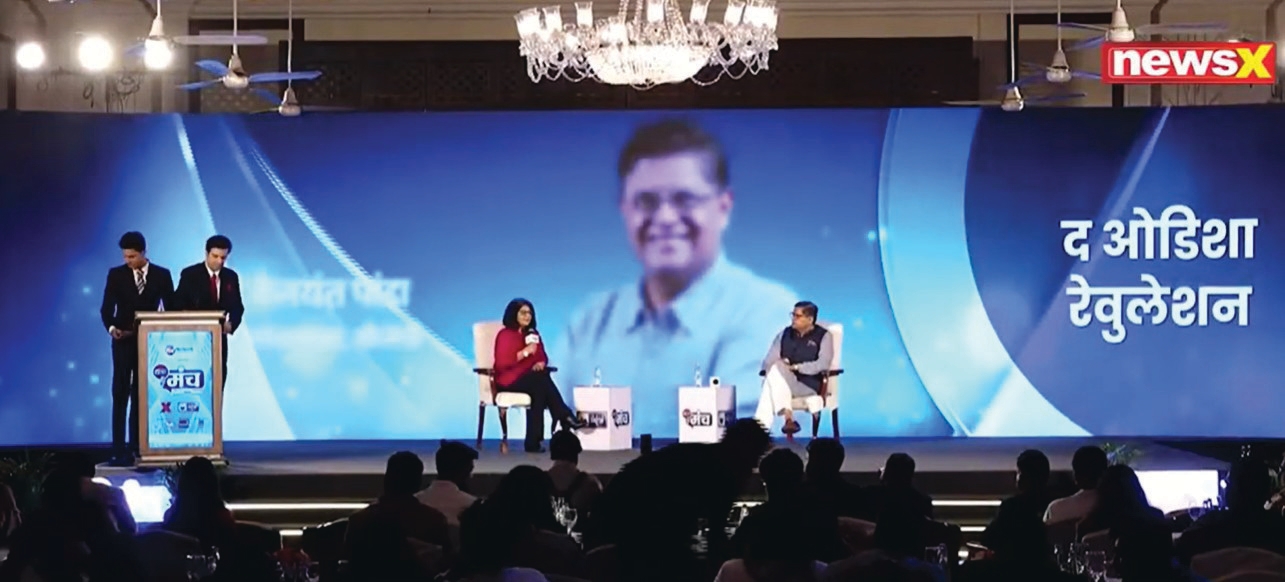
BJP MP Baijayant Panda with NewsX Editorial Director Priya Sehgal (Photo: File)
NEW DELHI: BJP National Vice-President and Assam election in-charge Baijayant Panda, speaking at India News Manch 2025 organised by ITV Network, said the BJP has no objection to leaders of the INDIA alliance campaigning, as it ultimately works in the ruling party’s favour.
He claimed the alliance lacks a shared ideology, agenda, or leadership, and added that its internal contradictions are evident, with even its own partners rejecting allegations of vote manipulation.
Referring to Assam, Panda recalled that a decade ago it was widely believed the BJP would never be able to form a government in Assam. However, the party has since formed the government twice and is confident of returning to power for a third term.
He also pointed to electoral gains in states where demographic factors were considered unfavourable for the BJP, including Goa and Kerala.
“These successes are the result of working in the national interest,” he said.
Speaking on Tamil Nadu and national leadership, Panda said the party’s electoral performance should not be attributed to individual efforts but to the credibility of Prime Minister Narendra Modi.
Citing Delhi as an example, he said prolonged anti-incumbency created a strong desire for change.
“When Prime Minister Modi makes a promise—such as cleaning the Yamuna, on the lines of riverfront development in Gujarat—people trust that it will be delivered. That credibility matters,” he said.
Responding to allegations of dynastic politics, Panda rejected the comparison, saying there is a clear difference between leaders who win on merit and those who retain control despite repeated electoral defeats.
He said the BJP’s top leadership, including the Prime Minister, Home Minister and party president J.P. Nadda, have all risen from the grassroots, reflecting the party’s culture.
On the opposition, Panda said India does need a stronger opposition but asserted that strengthening it is not the ruling party’s responsibility.
He said repeated disruptions in Parliament weaken the opposition itself, as Question Hour and debates are their key platforms to raise public issues.
He also criticised family-run opposition parties, arguing that dynastic control blocks talented leaders from rising and forces them to leave.
“These are issues the opposition must introspect on,” he said.
Commenting on parliamentary functioning, Panda said baseless allegations should not be amplified, adding that the government has always been open to discussions on all issues raised by the opposition.
He cited debates on electoral reforms, pollution, and the insurance bill, and said the 150th anniversary of Vande Mataram—a key symbol of the freedom struggle—should have been celebrated rather than politicised.
He said debates on electoral reforms exposed repeated claims over EVMs and electoral rolls, stressing that all procedures are strictly constitutional.
“From inside the House, it was clear the opposition failed to gain the ground it claims,” he said, reiterating that history on issues of national identity has been misrepresented, with historical records revealing similarities with the Muslim League’s stance in the 1940s.
