India advises against non-essential Iran travel amid protests. MEA urges nationals to register, avoid demonstrations. Details on the unrest and international reaction.
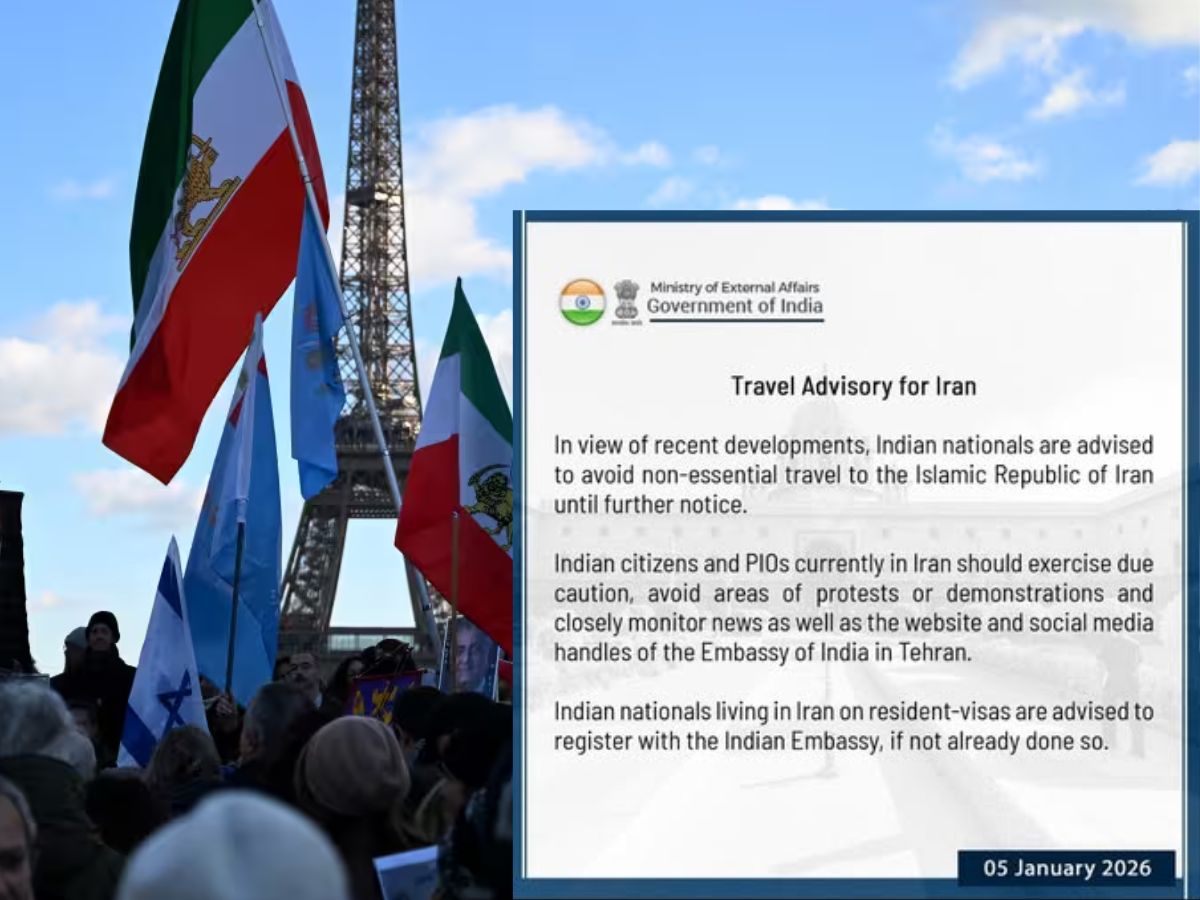
India issues Iran travel advisory (Image: X)
NEW DELHI, January 6 — India on Monday advised its citizens to avoid non-essential travel to Iran, citing “recent developments” as protests over economic and political grievances spread across the country. The advisory urged Indians already in Iran to steer clear of demonstrations and register with the embassy in Tehran.
The Ministry of External Affairs (MEA) issued a formal statement cautioning against unnecessary trips. “Indian nationals are advised to avoid non-essential travel to the Islamic Republic of Iran until further notice,” it said.
For Indians currently in Iran, the MEA advised exercising “due caution,” avoiding protest sites, and monitoring news and embassy communications. It specifically urged Indian nationals on resident visas to register with the embassy if they have not already done so.
The unrest began on December 28 with shopkeepers in Tehran striking against rising prices and economic stagnation. It has since expanded to at least 45 cities across 23 provinces, with demonstrators adding political demands to their economic grievances.
Iran’s economy is under severe strain from international sanctions, with its currency, the Rial, losing over a third of its value in the past year. In an effort to relieve pressure, the government has offered a tiny monthly cash stipend for citizens; nonetheless, inflation is still very high.
Supreme Leader Ayatollah Ali Khamenei made his first public remarks on the situation on Saturday, distinguishing between protesters and “rioters.” He stated, “We talk to protesters… But there is no benefit to talking to rioters. Rioters must be put in their place.”
Officials have acknowledged economic challenges but have warned against instability. At least 12 people, including security force members, have been killed in localized clashes since December 30.
The protests have drawn comments from global leaders, which Tehran has dismissed as interference.
U.S. President Donald Trump warned on Sunday, “If they start killing people like they have in the past, I think they're going to get hit very hard by the United States.”
Israeli Prime Minister Benjamin Netanyahu expressed solidarity with the Iranian people’s “aspirations for freedom.” Iran’s Foreign Ministry accused Israel of trying to “sow division,” and the Prosecutor General warned of a firm response to externally driven scenarios.
The MEA’s guidance is clear:
The advisory is a preventative measure meant to protect citizens in the face of uncertain circumstances.
