
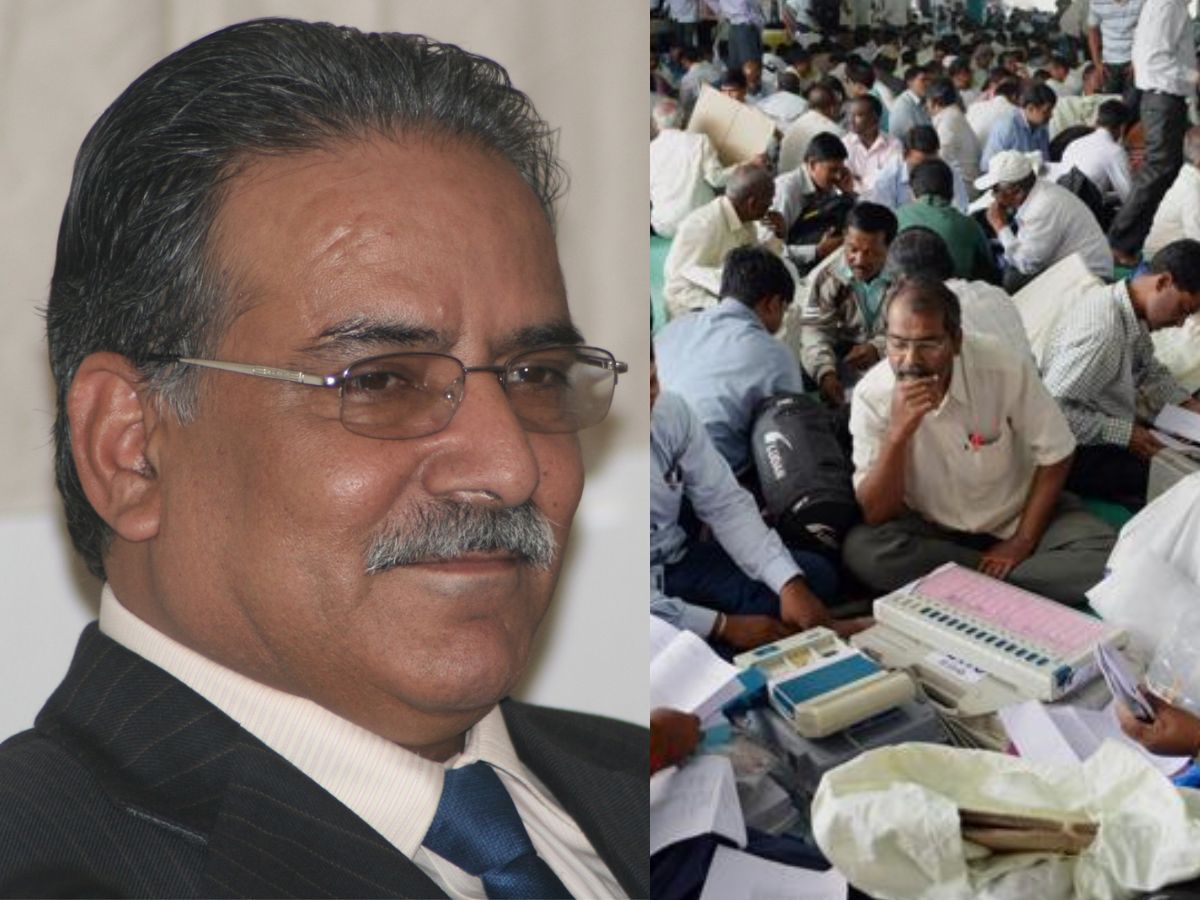
Nepal Election 2082 Result Live: Vote counting is currently underway across Nepal after the country held its Federal Parliament Election 2082 (2026) on March 5. This election is considered one of the most significant in recent years because it comes after youth-led protests in 2025 that led to the collapse of the previous government. Around 60% of voters participated in the nationwide polling, and final results are expected within the next few days as ballots from remote areas are still being transported and counted.
The election will determine members of Nepal’s 275-seat House of Representatives, where 165 seats are filled through direct elections and 110 through proportional representation. More than 3,400 candidates from over 60 political parties and independent groups are contesting the election across the country’s seven provinces.
Major political forces in the contest include the Nepali Congress, the Communist Party of Nepal (Unified Marxist–Leninist), and the Communist Party of Nepal (Maoist Centre). At the same time, newer political movements and youth-focused groups are also gaining attention in early vote trends.
Lumbini Election 2082 Result
In Lumbini Province, early counting trends show competitive contests across several constituencies. Some candidates from the Rastriya Swatantra Party are reportedly leading in multiple seats in the province during the initial rounds of counting.
The party, founded in 2022, has attracted attention for fielding several young candidates and campaigning on issues such as governance reforms, transparency, and anti-corruption.
However, officials have emphasised that the results are still preliminary, and the final outcome will only be confirmed after complete vote counting is finished in each constituency.
Rukum East-1 Election 2082 Result
Rukum East is the only Himalayan district located within Lumbini Province and is known for its mountainous landscape and strong Magar cultural presence. The district also includes part of the Dhorpatan Hunting Reserve, one of Nepal’s well-known wildlife areas.
The parliamentary constituency Rukum East-1 was created after Nepal’s constituency delimitation reforms in 2017.
According to the latest available vote count:
-
Pushpa Kamal Dahal of the Nepali Communist Party is leading with 4,398 votes.
-
Kusum Devi Thapa of the Nepali Congress is in second place with 1,261 votes.
-
Lilamani Gautam of CPN-UML has received around 907 votes so far.
These figures represent ongoing counting results, and none of the candidates has officially been declared the winner yet.
Rise of Gen Z and New Political Movements
One of the biggest talking points of the 2026 election is the growing influence of younger voters and Gen Z candidates. The election comes after large-scale protests that demanded political reform, better governance, and economic opportunities.
Several new parties and youth-backed leaders are trying to challenge traditional political dominance. Among them is the Balendra Shah-led National Independent Party, which has gained popularity among younger voters by focusing on issues such as education, healthcare, and anti-corruption reforms.
This trend suggests that Nepal’s political landscape could be changing, with voters increasingly supporting newer political forces alongside established parties.
Nepal Election 2026: What Happens Next?
With vote counting continuing across the country, the Election Commission of Nepal is expected to release final constituency results over the coming days. Ballots from remote mountainous areas are still arriving at counting centres, which is why the final tally may take some time.
The outcome of the election will determine who forms the next government and how Nepal addresses key issues such as economic recovery, political reform, and relations with regional powers. Many analysts believe that the final results could reveal a significant shift in Nepal’s political balance, especially if emerging parties perform strongly.
Disclaimer: The winner list will be updated once the final results are announced.




