Kashmir sees a renewed embrace of the Tricolour as anthem singing, flag displays and public celebrations grow into expressions of pride and belonging.
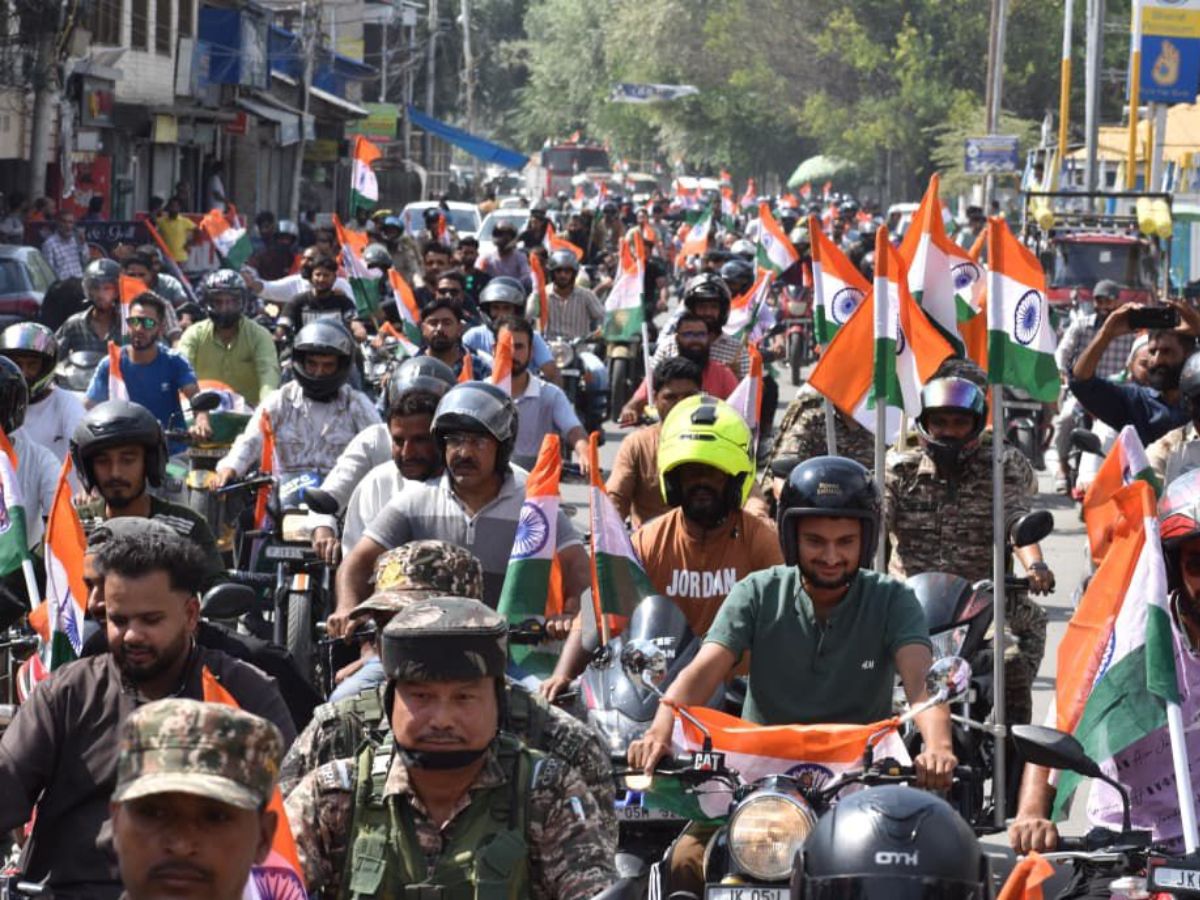
Kashmiris proudly display the Tricolour as anthem singing becomes a daily expression of renewed national confidence (Photo: File)
Srinagar: Kashmir is witnessing a visible transformation in expressions of national pride an evolution that marks a break from a time when displaying the Tricolour invited hesitation.
Republic Day and Independence Day, once approached with caution, have turned into vibrant celebrations across the Valley. Since the abrogation of Article 370, the national flag has come to symbolize not fear, but pride and belonging. Schools, universities, private institutions, and marketplaces now proudly display the Tricolour, while the strains of the national anthem echo in classrooms and public gatherings alike.
“This change comes from the heart,” remarked Mohammad Afzal, a cleric from Srinagar. “Today, people sing the anthem with love and dignity. What began as a government effort has now become a heartfelt expression.” Campaigns like Har Ghar Tiranga have fueled this shift, transforming public spaces with a sea of flags and inspiring citizens to participate enthusiastically.
Social activist Touseef Raina noted that the anthem, once rare in public spaces, is now sung freely and with pride. Political voices like Akthar Ahmad link this rise in patriotism with restored peace and normalcy schools run smoothly, businesses flourish, and the long shadow of protests has receded.
From bustling Srinagar to remote Kupwara, mornings begin with “Jana Gana Mana,” a ritual that unites communities and reinforces a shared sense of identity. According to sociologist Prof. Suresh, this cultural awakening signifies an emotional integration with the nation.
For Kashmir’s youth, proudly waving the flag or singing the anthem is no longer a gesture of conformity but of confidence a symbol of hope, stability, and belonging within the broader Indian narrative.
