Claims surrounding the whereabouts of Dr Muzaffar Ahmed Rather, an alleged operative linked to the Faridabad–Saharanpur terror module and the 10 November bombing near Delhi’s Red Fort, have triggered a sharp divergence
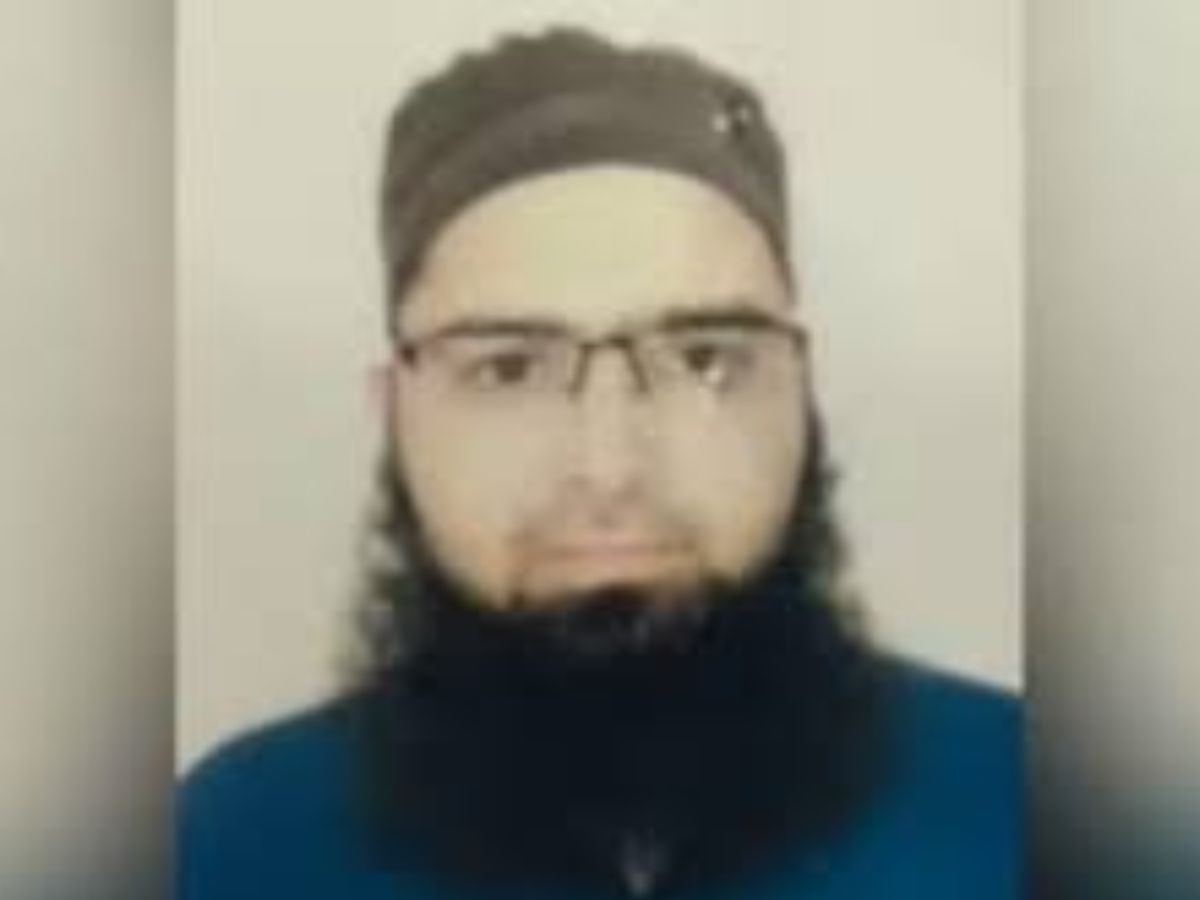
Claims surrounding the whereabouts of Dr Muzaffar Ahmed Rather, an alleged operative linked to the Faridabad–Saharanpur terror module (Source: Facebook)
Claims surrounding the whereabouts of Dr Muzaffar Ahmed Rather, an alleged operative linked to the Faridabad–Saharanpur terror module and the 10 November bombing near Delhi’s Red Fort, have triggered a sharp divergence between Indian intelligence-linked reporting and responses from Afghanistan.
Media reports, citing intelligence agency sources, have claimed that Rather, originally from Qazigund, Kashmir travelled to Afghanistan via Dubai on 22 August on the instructions of Ammar Alvi, described by agencies as the chief commander of Jaish-e-Mohammed’s fidayeen squad and brother of Masood Azhar. These reports assert that Rather underwent suicide-bomb training and is currently hiding in Helmand or Kunar, positioning him as a key node in a revived trans-border terror network. J&K Police has sought an Interpol Red Corner Notice to secure his extradition.
His brother, Dr Adeel Rather, is already under arrest and is considered another major conspirator in the inter-state Jaish module.
However, sources within the Afghan intelligence, General Directorate of Intelligence (GDI) Afghanistan’s intelligence agency , have issued a categorical denial on reports of Rather being present in Afghanistan.
Sources told this newspaper that Rather was not present in the country, while describing these claims based on “ISI propaganda” and stating that the Afghan administration has no intelligence or administrative record of his entry or operations within their territory.
They further said that if any credible evidence or actionable intelligence is provided that proves that he is indeed inside Afghanistan, Afghan authorities would apprehend him.
The Afghan position is not merely rhetorical.
Officials point to their recent security posture tightened border checks, stricter entry monitoring and an explicit policy against allowing Afghan soil to be used by foreign militant groups. They argue that hosting ISI-linked outfits such as Jaish-e-Mohammed or Lashkar-e-Taiba would directly undermine Kabul’s attempt to regain international legitimacy and stabilise diplomatic relations, particularly with India, which they say have shown tangible improvement in recent months.
Infact, in the recent past, many members of ISIS and other terror groups have been targeted by GDI and ‘unknown’ gunmen.
This situation indicates that Rather may be based and operating not in Afghanistan, but in the Afghanistan–Pakistan border belt on the Pakistani side, where multiple Jaish and Lashkar infrastructure have come up in the recent past under the guidance of Pakistan’s intelligence agency, ISI.
In this scenario, describing him as “Afghanistan-based” becomes strategically convenient, redirecting international and regional scrutiny away from Pakistan while reinforcing the persistent image of Afghanistan as a terrorist sanctuary.
As of now, no independently confirmed evidence has emerged establishing Dr Muzaffar Ahmed Rather’s presence inside Afghanistan even as two sharply different narratives continue to coexist one shaped by intelligence-sourced media briefings, the other by categorical Afghan denials rooted in their stated security policy.
