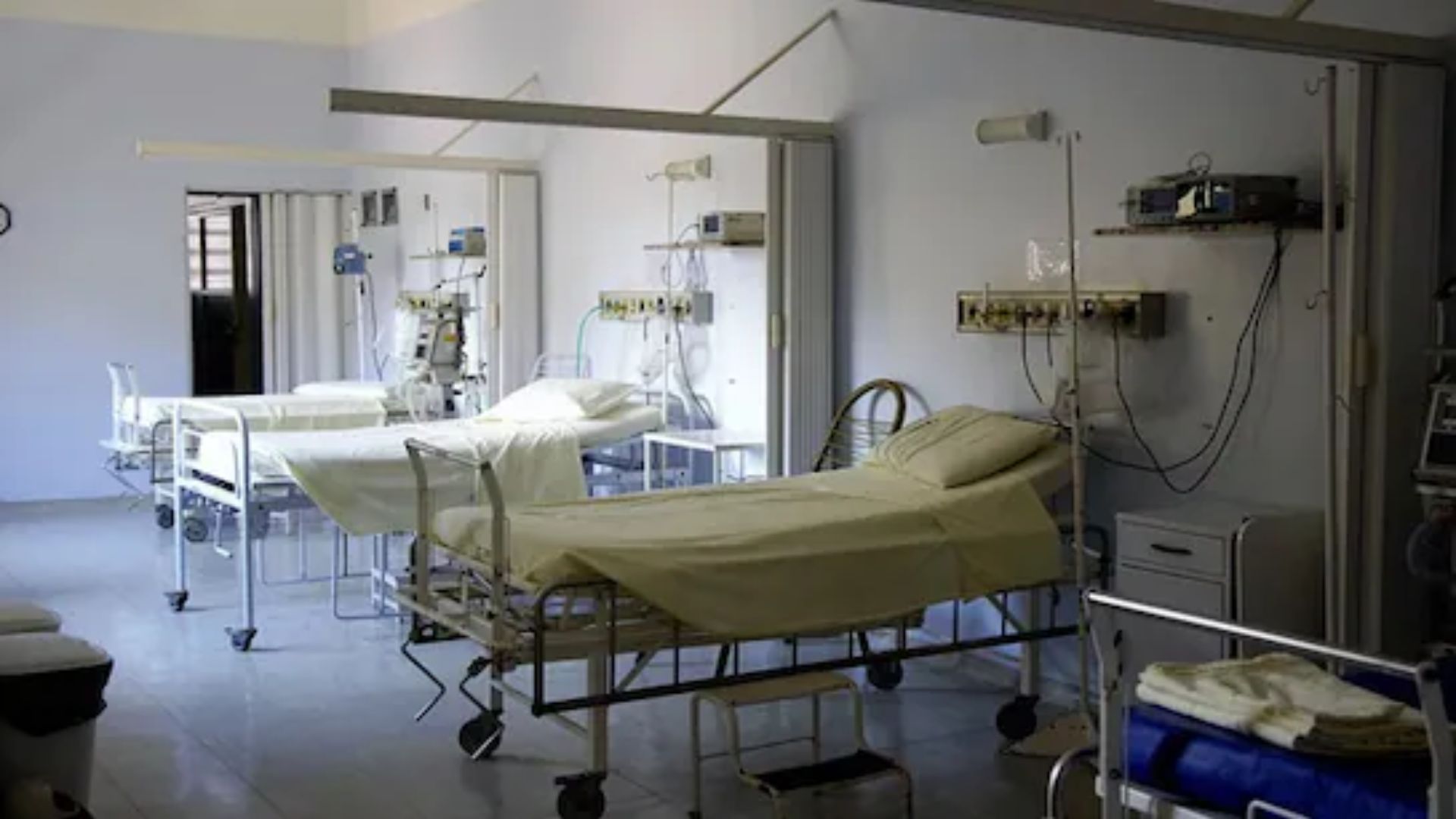
Virus spreads to 33 districts in the state, officials rush to contain fast-growing JE outbreak.
Guwahati: In a concerning development, Assam has reported 12 additional deaths from Japanese Encephalitis (JE) in the past week, bringing the state’s total fatalities from the disease this year to 26, government sources told TSG.
The bigger concern is that the virus has now spread to 33 of 35 districts, with only Dima Hasao and Hailakandi remaining unaffected. The state government has sent alerts to all district health authorities.
Dr. Lakshmanan, Mission Director of the National Health Mission (NHM), Assam, has raised concerns about the ongoing JE situation in the state, stating that Assam remains one of the most severely affected regions in the country. With over 50% of India’s JE caseload being reported from the state, officials are urging heightened public awareness and early detection to save lives.
Speaking to TSG, Dr. Lakshmanan explained that Japanese Encephalitis is a viral, mosquito-borne disease that can affect individuals across all age groups—from infants to the elderly. He emphasised that JE is endemic in Assam, with the virus, mosquito vector, and intermediate hosts like pigs and birds being prevalent year-round.
“In 2022, Assam reported over 1,100 Acute Encephalitis Syndrome (AES) cases, of which around 550 were confirmed JE cases,” Dr. Lakshmanan said. “Between 2020 and 2023, the state witnessed over 1,600 AES cases, including more than 600 confirmed JE cases.” Alarmingly, in the first half of 2025 alone, over 300 AES cases have been reported, with nearly 200 confirmed JE cases and 14 verified deaths.
The disease often presents symptoms such as fever, altered consciousness, extreme drowsiness, seizures, and even loss of memory. “JE is a rapidly progressing illness and can turn critical within just 2–4 days of the onset of symptoms,” Dr. Lakshmanan warned.
Districts such as Jorhat, Sivasagar, Dibrugarh, Lakhimpur, and Biswanath remain JE hotspots. However, cases are now also emerging from lower Assam districts like Kamrup, Nalbari, and Goalpara, indicating a wider spread.
The cases of the disease in Assam have been on the rise since April. According to Dr. Achyut Baishya, Principal of Guwahati Medical College and Hospital (GMCH), the disease is affecting people across all age groups, but children under 10 and adults over 60 are the most vulnerable.
“These cases have started coming from the month of April itself, and the casualty is increasing. It has all age groups, but it is more among those below 10 years and above 60 years,” Achyut Baishya told TSG.
The disease is primarily spread by the female Culex mosquito, which breeds in wetlands and is active during evening hours, especially in bushy and paddy field areas. The primary transmission cycle involves pigs and birds, not human-to-human contact.
To control the outbreak of JE, the government has focused on key strategies. One of the first steps is control of the vector, which will include processes such as fogging and habitat reduction of mosquitoes. Live vaccine administration is carried out between October and March, which are the non-transmission months. The most important part is early detection and supportive treatments.
Further, the Assam government has vaccinated 1 crore people annually, with a vaccination drive as part of the routine immunisation program for all newborns in the state.
Dr. Lakshmanan urged people to seek medical attention at the first signs of fever coupled with headache, vision issues, vomiting, or drowsiness. JE testing facilities, including IgM antibody testing kits, are available in all districts and major private hospitals.
While the mortality rate stands at 7–8%, the situation remains precarious due to late reporting and low public awareness. Authorities have allocated dedicated JE beds in hospitals and are engaging departments like Panchayat and Urban Development for community fogging, sanitation, and awareness campaigns.
“Saving lives is our priority—whether through public or private healthcare,” Dr. Lakshmanan concluded, urging citizens to stay alert, take preventive measures, and not dismiss early symptoms of the deadly disease.
