
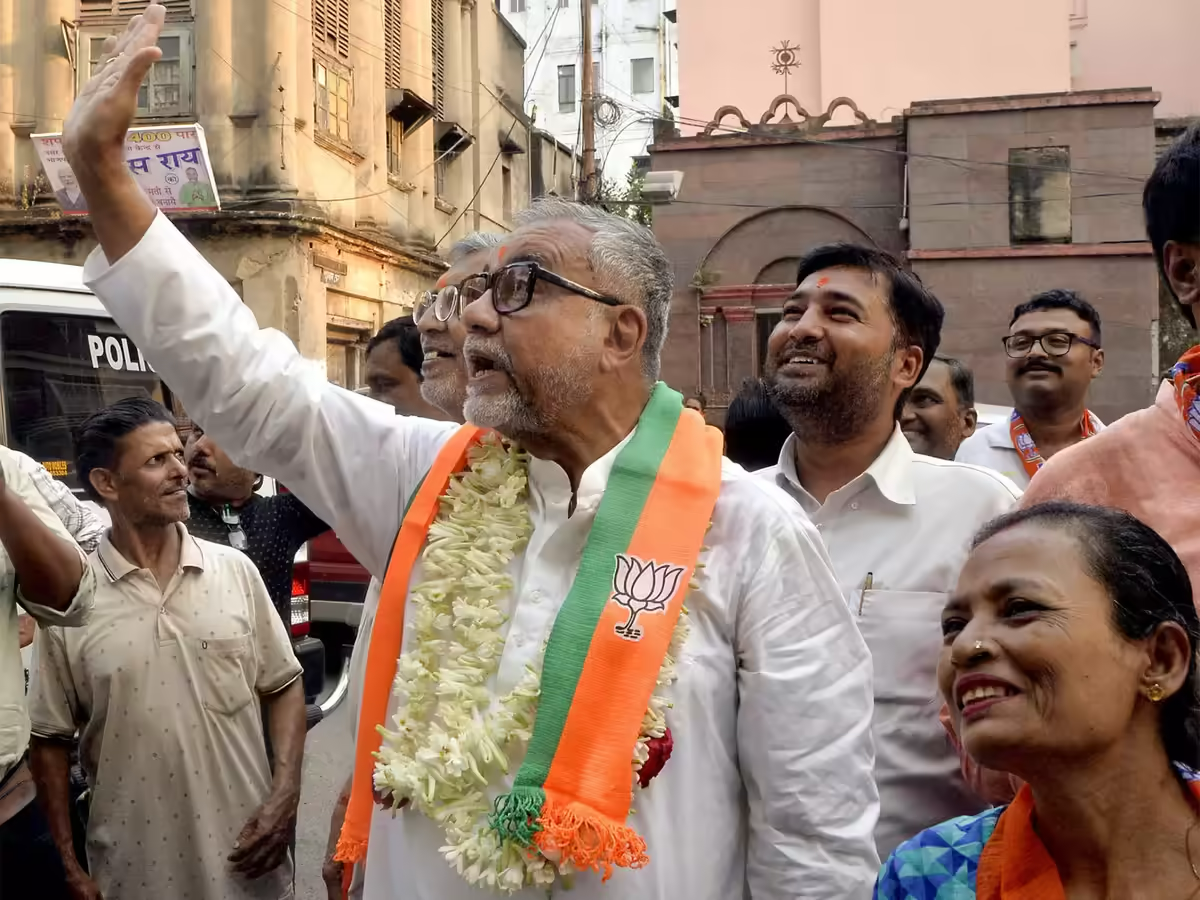
NEW DELHI: The emerging political assessment within the party is that the Bharatiya Janata Party is structurally better placed in West Bengal compared to the equivalent pre-election phase of 2021. This assessment rests on three measurable variables: Organizational discipline, central oversight, and uncompromised candidate selection filters.
During the last election in 2021, the state unit functioned with multiple power centers. Several high-profile leaders, led by in-charge Kailash Vijayvargiya, operated with considerable autonomy in ticket distribution and local negotiations. That decentralization produced internal friction, factional complaints, and allegations of transactional politics in candidate short-listing. The current cycle reflects tighter vertical control from the central leadership of the party. In the decision-making structure, which revolves around Prime Minister Narendra Modi, Home Minister Amit Shah, and the national president Nitin Nabin, inputs are being gathered through parallel feedback channels that bypass state-level intermediaries. The operative principle behind this structure is centralized intelligence consolidation followed by corrective intervention.
A recent internal episode illustrates this shift. According to party sources, a senior leader overseeing West Bengal election preparations was advised to distance himself from any perception of accepting gifts from aspirants seeking tickets. This happened after feedback regarding the said leader was escalated to the central leadership, after which the leader concerned was spoken to directly. The signal conveyed internally was explicit: winnability metrics, not patronage networks or financial inducement capacity, will determine ticket allocation.
The said leader, after this episode, has begun putting in extra effort to ensure that he is not caught again in any such episode and has started maintaining distance from ticket seekers offering gifts.
This shows how, under Nabin, the party is acting on feedback after verifying it independently. This also represents a shift from patron-client filtration toward performance-based screening, which was attributed as one of the primary causes of the BJP’s inability to come to power in 2021.
Winnability, in practical electoral terms, incorporates booth-level arithmetic, caste-community consolidation patterns, prior vote share conversion efficiency, local cadre acceptance, and vulnerability to opposition counter-mobilization.
The party’s recent internal assessment has incorporated anti-incumbency sentiment against the All India Trinamool Congress government led by Chief Minister Mamata Banerjee. BJP strategists believe that if cadre confidence is maintained and candidates are locally credible, the party’s strike rate could rise substantially.
Internal projections, according to party sources, suggest a target of crossing 150 seats, contingent on disciplined ticket distribution and consolidated voting.
Another factor being foregrounded in campaign planning is the issue of alleged cross-border infiltration from Bangladesh. As per the BJP’s analysis, this has become both a demographic and economic concern for local voters. The argument being advanced is that working and lower-middle-class voters are now perceiving pressure on employment, public services, and civic infrastructure due to years of illegal influx.
Party leaders have attributed this to a section of the ruling establishment facilitating documentation for illegal entrants, though such claims remain politically contested.
From a structural standpoint, the BJP’s current approach in West Bengal can be described as centralized command with decentralized execution. Surveillance of leadership conduct has increased, feedback loops have become shorter, and corrective signals are being issued early rather than post facto.




