
Bangladesh’s journey into undersea warfare was meant to be a milestone. In reality, it looks more like an expensive detour.
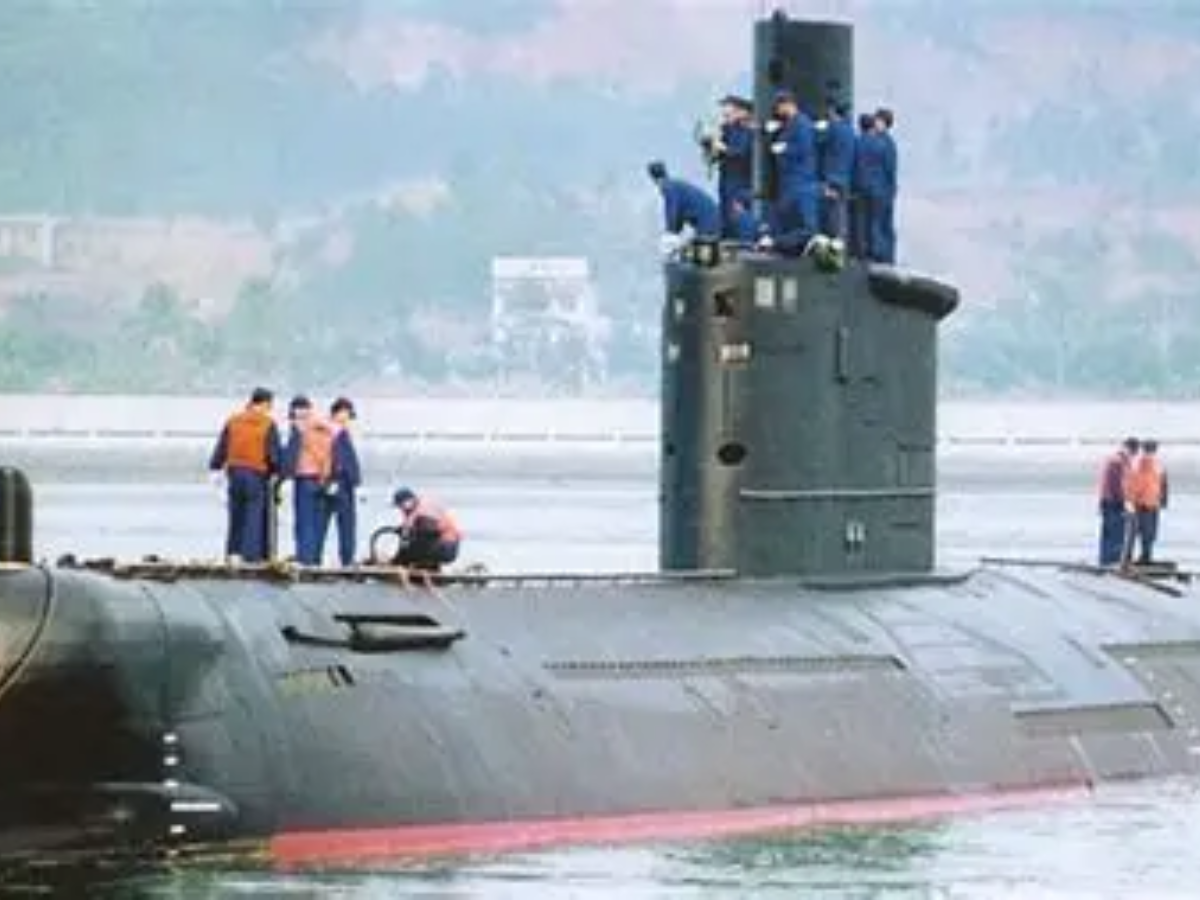
Dhaka took delivery of two refurbished Type 035G (Ming-class) submarines from China in November 2016 under a contract worth roughly US$203 million. These boats were built as part of a 1970s lineage and overhauled for export.
For a modest navy with pressing coastal and constabulary needs, that sticker price alone raises tough questions about priorities and value.
A Marble Hall For Museum Pieces?
The acquisition has been paired with a much larger bill on shore. Bangladesh inaugurated its first full-fledged submarine base, BNS Sheikh Hasina at Pekua, Cox’s Bazar, on 20 March 2023.
The facility, constructed with Chinese assistance, reportedly cost about US$1.21 billion and can berth up to six submarines and eight warships. While the base is a serious piece of infrastructure, the submarines it serves are not.
Building a billion-dollar waterfront for a pair of decades-old diesel-electrics risks looking like marble halls for museum pieces.
High Maintenance And Old Tech
Operationally, the Ming-class presents limited utility for Bangladesh’s real-world missions. Analysts have long pointed out that these refurbished platforms, while capable of lurking in littoral waters, are maintenance-heavy and technologically dated.
Some sounded a warning at the time of purchase that the boats risk becoming “pier queens” given the navy’s limited sustainment capacity, which are good for flag-raising and parades, but seldom at sea. That verdict cuts to the heart of capability: a submarine that spends most of its life alongside is a liability dressed as a deterrent.
The strategic rationale is equally thin. Bangladesh faces no imminent blue-water threat that submarines uniquely solve; its day-to-day challenges from maritime policing to disaster response, are better answered by modern surface units and maritime patrol aircraft. CIMSEC’s assessment put it bluntly: it is “difficult to fathom” the induction of submarines absent a conventional maritime-military threat. In other words, the Ming deal delivers prestige more than practical power.
Crucially, this is not just a Bangladesh problem. It is a China export problem. Beijing’s submarine sales across the region have been marred by after-sales fragility, shifting specifications and dependency traps.
Thailand’s long-running S26T saga, now forced to accept a Chinese engine after the original German MTU powerplant fell through, shows how Chinese promises can warp into moving goalposts, leaving the buyer with costly compromises or political embarrassment. If that’s the experience with a “new” design, one can imagine the hidden costs that arrive with refurbished Mings.
When the invoices are tallied, the opportunity costs loom largest. For the combined outlay of ~US$1.4 billion on two old submarines and a gleaming base, Bangladesh could have recapitalised ageing surface fleets, improved coastal radar and maritime domain awareness, and built a more credible, sustainable deterrent tailored to the Bay of Bengal.
Instead, the country has anchored itself to Chinese supply chains and training pipelines, dependencies that can curdle into leverage at the worst possible moment.
The verdict on China’s Ming-class export to Bangladesh is unforgiving: high acquisition and infrastructure costs, low mission fit and a long tail of vulnerability to Chinese support. Docked dreams, indeed, are grand in ceremony, shallow in substance and a warning to others tempted by cut-price submarines with premium-priced strings attached.
(Aritra Banerjee is a defence and strategic affairs analyst and is the co-author of the book ‘The Indian Navy @75: Reminiscing the Voyage’)




