
NEW DELHI: The Congress party stands at a strategic crossroads, compelled to reset its approach amid Arvind Kejriwal’s resurgence. Its much-touted “shop of love” politics—emphasizing empathy and inclusivity—has failed to deliver measurable electoral success. State-level strategies appear increasingly out of sync with India’s fragmented political landscape.
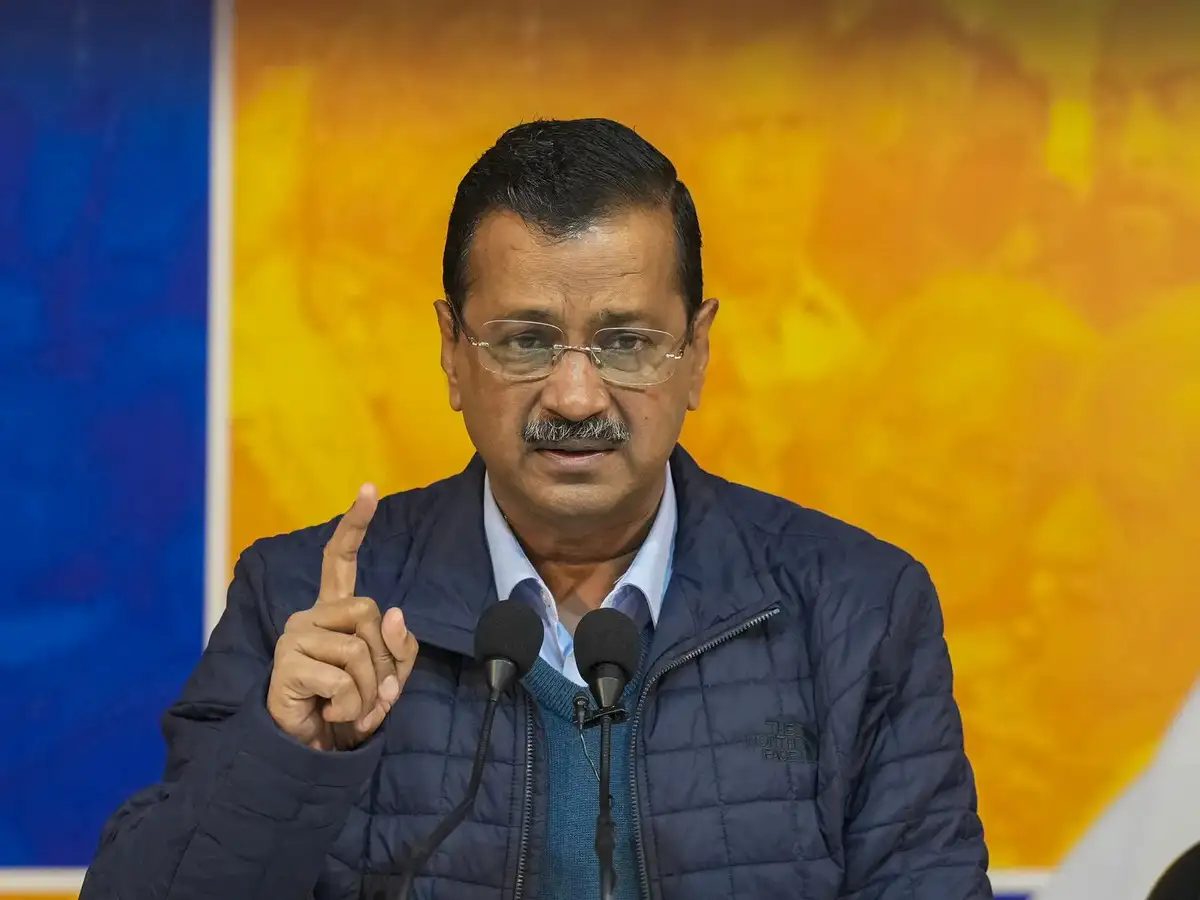
Kejriwal’s recent acquittal in the alleged Delhi liquor scam has sharpened the knives. In a fiery press conference, he directly questioned senior Congress leaders Sonia Gandhi, Rahul Gandhi, and Robert Vadra, reviving accusations that Congress covertly aided the BJP to sideline AAP during the Delhi polls. AAP insiders believe this betrayal confined their party to Punjab post-defeat, sparking an existential crisis. Yet, momentum is rebuilding fast.
While Kejriwal railed against Narendra Modi and Amit Shah, his blueprint remains state-focused. In Punjab, where AAP governs, Congress is the prime rival. Gujarat and Goa elections next year will see aggressive AAP contests. Past inroads in Uttarakhand, Rajasthan, and Madhya Pradesh signal sharper expansion. AAP’s edge in political marketing consistently trumps Congress’s efforts.
Rahul Gandhi briefly reclaimed opposition space on social media as Lok Sabha Leader of Opposition after AAP’s Delhi dip. Now, Kejriwal’s return heralds a dynamic trio: Modi, Rahul, and Kejriwal vying for dominance. BJP’s playbook stays steady, squeezing Congress hardest.
Despite serial state defeats, Congress fixates on national Modi-baiting, neglecting granular strategies. Assembly polls approach: Assam, Kerala, Tamil Nadu, Puducherry, West Bengal in April; Punjab, Goa, Uttarakhand, Uttar Pradesh, Gujarat next year. BJP ramps up groundwork; Congress obsesses over Rahul-centric alignment, sidelining mass issues like the UB-deal protests.
Leadership voids exacerbate woes. Rahul leans on a youth-full circle—Kanhaiya Kumar, Yogendra Yadav, Ajay Maken, Imran Pratapgarhi, Jairam Ramesh, and others—over veterans like Kamal Nath, Ashok Gehlot, Harish Rawat, and Bhupinder Hooda. The void left by Ahmed Patel’s grassroots savvy, Ghulam Nabi Azad’s counsel, and Janardan Dwivedi’s coordination is palpable. K.C. Venugopal wields outsized influence, often eclipsing President Mallikarjun Kharge.
Uttarakhand exemplifies fractures: Rahul’s uncoordinated Kotdwar meeting fueled BJP’s communal narrative under Pushkar Singh Dhami, compounding losses. Congress falters in UP, Bihar, Assam; Kerala endures, but AAP encroaches in Punjab, Gujarat, Delhi. Without recalibrating state operations and harnessing experience, Congress’s symbolic gestures won’t halt its slide. AAP’s rise as BJP-schieffoe demands urgent adaptation.




