Pakistani national Rakshanda Rashid allowed to return to India on a visitor visa after J&K High Court clears her re-entry, months after deportation post-attack.
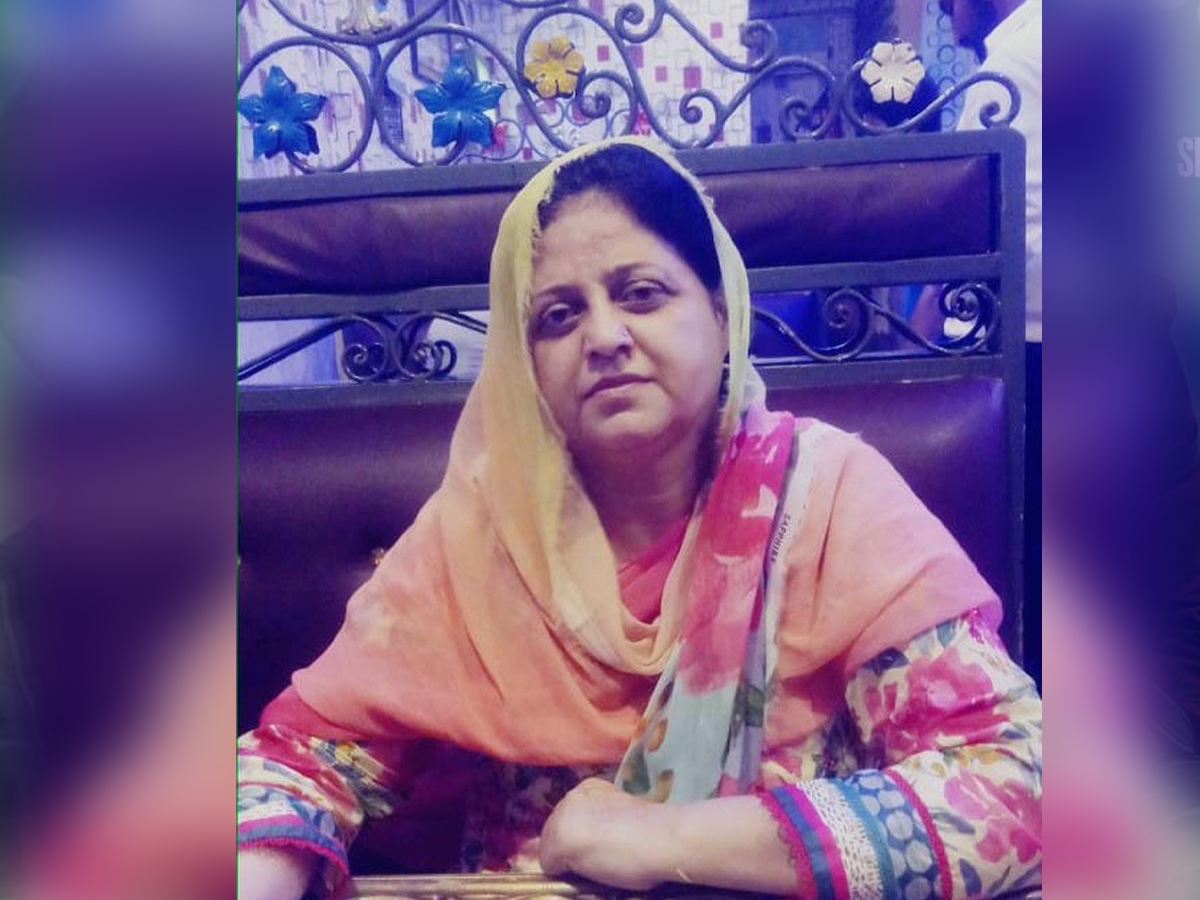
Rakshanda, daughter of Mohd Rashid from Islamabad, had initially entered India in February 1990 on a 14-day visitor visa through Attari.
Srinagar: In a significant legal and diplomatic development, the High Court of Jammu & Kashmir and Ladakh has cleared the return of Pakistani national Rakshanda Rashid to India on a visitor visa, months after she was deported in April following a sudden revocation of Pakistani visas by the Union government.
The clearance came after Solicitor General of India Tushar Mehta, appearing virtually, informed the division bench that the competent authority had taken an “in principle” decision to allow her re-entry. "Once an in-principle decision is taken by the competent authority, there is hardly any room for any doubt," Mehta told the bench, adding that the procedural formalities would now be expedited.
The matter was heard by Chief Justice N. Kotiswar Singh and Justice Rajnesh Oswal, who were considering two Letters Patent Appeals filed by the Union government challenging a June 6 order from a single judge that had directed the Ministry of Home Affairs (MHA) to bring Rakshanda back within ten days. That order, which raised eyebrows in national security circles, has now been effectively overtaken by a fresh understanding between the parties.
Rakshanda, daughter of Mohd Rashid from Islamabad, had initially entered India in February 1990 on a 14-day visitor visa through Attari. Over the years, she continued to stay legally under Long Term Visas (LTVs) and reportedly married an Indian national in Jammu.
However, following the April Pahalgam terror attack that claimed several lives, the MHA moved swiftly to revoke all visas granted to Pakistani nationals under Section 3(1) of the Foreigners Act, 1946. On April 28, she was served a Leave India Notice by the CID (Special Branch, Jammu) and was deported to Pakistan via Wagah-Attari on April 29—even as her writ petition seeking relief was still pending before the court.
The June 6 order by the single judge directing her return sparked debate, prompting the Centre to challenge it. On July 2, the division bench stayed the order. But by July 22, Solicitor General Mehta indicated a shift in the Centre’s stand, seeking time to explore "if the respondent could be helped in any manner."
That shift culminated in a formal statement on July 30, when Mehta informed the court that “after much deliberation and considering the peculiarity of facts and unusual factual position obtaining in the matter, an in-principle decision is taken by the authority to grant a visitor’s visa to the respondent.”
Rakshanda’s counsel, senior advocate Surinder Kour, welcomed the development and submitted that Rakshanda was fully agreeable to withdrawing her writ petition in view of the Centre’s assurance.
While disposing of the matter, the bench made it clear that the decision was tailored to the specific facts of the case. “We may, however, hasten to clarify that in principle decision taken by the authorities centred upon the peculiar facts and circumstances of the present case shall not constitute a precedent in any manner,” the order read.
