
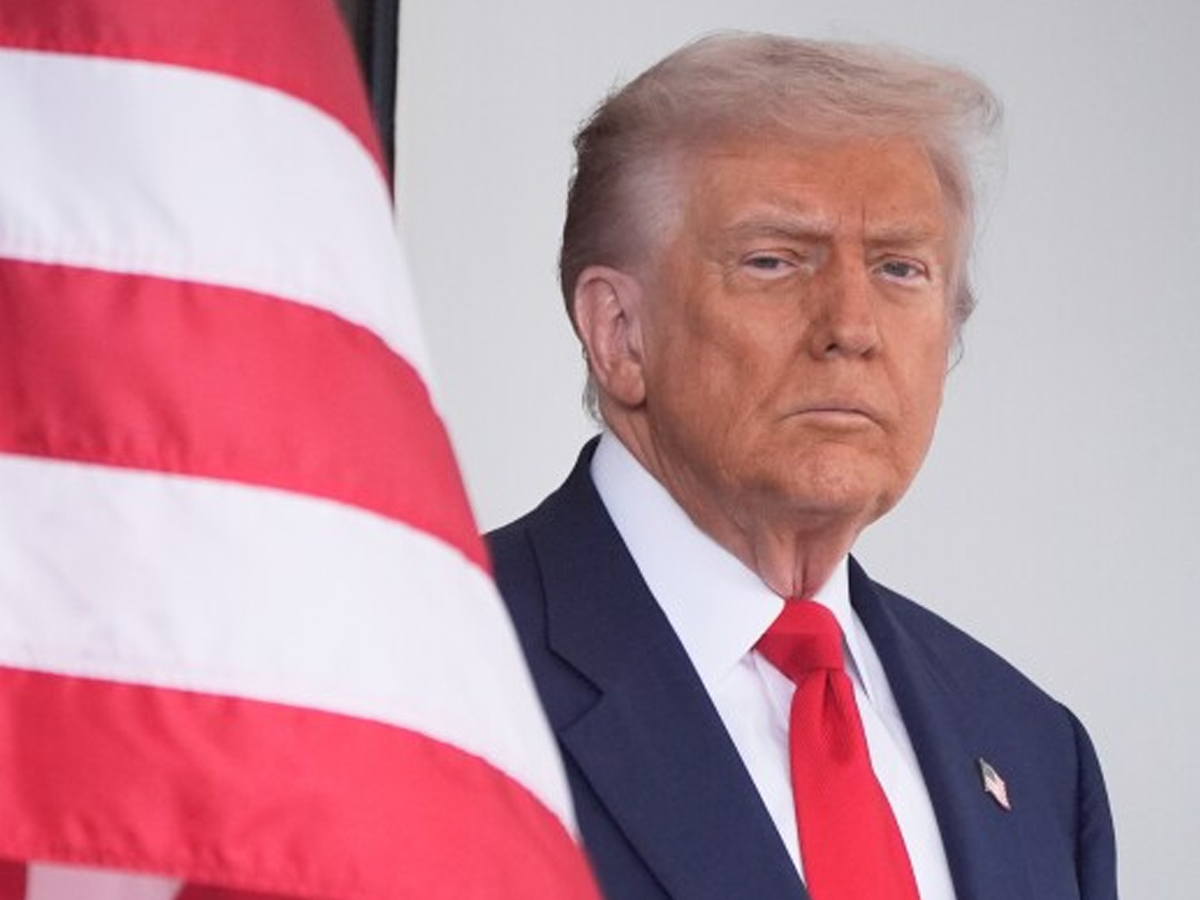
The latest US strikes on Venezuelan targets mark a dramatic escalation in a long-running confrontation. While Washington frames its actions around drug trafficking and security threats, the deeper conflict revolves around power, resources, and political control. At its core, the Trump administration’s endgame appears clear, and that is to force regime change in Caracas.
To understand why these strikes happened now, it is essential to examine three interlinked factors, which involved drug trafficking accusations, pressure tactics against President Nicolás Maduro, and Venezuela’s vast oil reserves.
Drug Trafficking Allegations: The Official Justification
The Trump administration has repeatedly accused Venezuela of functioning as a “narco-state,” and US officials claim that senior figures in the Maduro government either tolerate or actively support drug trafficking networks that move cocaine through the Caribbean and Pacific routes.
In recent months, US forces have targeted boats and dock facilities allegedly linked to these operations. Trump himself confirmed strikes on what he described as drug-loading areas, portraying the attacks as law enforcement actions rather than acts of war.
However, critics argue that the drug narrative serves as a legal and political cover. The US has raised similar allegations for years, yet the scale and timing of recent strikes suggest a broader strategic intent. Drug enforcement alone does not explain attacks near military installations or the heightened military posture now visible across the region.
Pressure Tactics: Turning Up the Heat on Maduro
Beyond drugs, the strikes fit into a wider campaign designed to weaken President Nicolás Maduro’s grip on power. Economic sanctions, diplomatic isolation, and recognition of rival political figures have already failed to remove him.
As a result, military pressure has emerged as the next lever.
By striking infrastructure and signalling readiness for further action, Washington aims to create internal fractures within Venezuela’s security forces. The logic is straightforward: sustained pressure could push military leaders to abandon Maduro or trigger unrest that destabilises his government from within.
Importantly, Trump has framed these actions as decisive and unavoidable. His rhetoric suggests impatience with slow-moving sanctions and negotiations. Instead, he appears to favour shock tactics that force rapid political outcomes.
Oil and Minerals: The Strategic Prize
Venezuela holds the world’s largest proven oil reserves, alongside significant deposits of gold and other minerals. Control over these resources has shaped US-Venezuela relations for decades.
The Maduro government accuses Washington of targeting the country to “seize Venezuela’s strategic resources, particularly its oil and minerals.” While the US denies such motives, energy interests remain impossible to ignore.
A post-Maduro Venezuela, aligned with Washington, could reopen its energy sector to US companies, reshape global oil markets, and weaken rivals such as Russia and China, both of which maintain strong ties with Caracas.
Thus, resource access does not stand alone as a motive—but it amplifies the strategic value of regime change.
Why Regime Change Remains the Ultimate Goal
When viewed together, drug accusations, sanctions, and strikes form a single strategy. Each tool applies pressure from a different angle, yet all point toward the same objective.
Trump’s language offers further clues. By labelling Maduro’s government criminal, illegitimate, and dangerous, the administration removes moral and legal barriers to intervention. Once a state becomes a “threat,” military action appears justified.
Moreover, regime change aligns with Trump’s broader foreign policy style. He favours visible, forceful actions that project strength and deter adversaries. Venezuela, weakened by economic collapse and diplomatic isolation, presents a low-risk target compared to larger rivals.
Why the Conflict Is Dangerous
Despite Washington’s confidence, the strategy carries serious risks. Strikes near army bases increase the chances of miscalculation. Regional allies could feel compelled to respond diplomatically or militarily. Energy markets could react sharply if the conflict disrupts oil exports.
More importantly, military pressure may entrench Maduro rather than weaken him. History shows that external attacks often rally domestic support around embattled leaders.




