ED raided multiple locations over illegal BNX drug sales by Punjab rehab centres; Dr. Amit Bansal, officials, and pharma firms are under investigation.
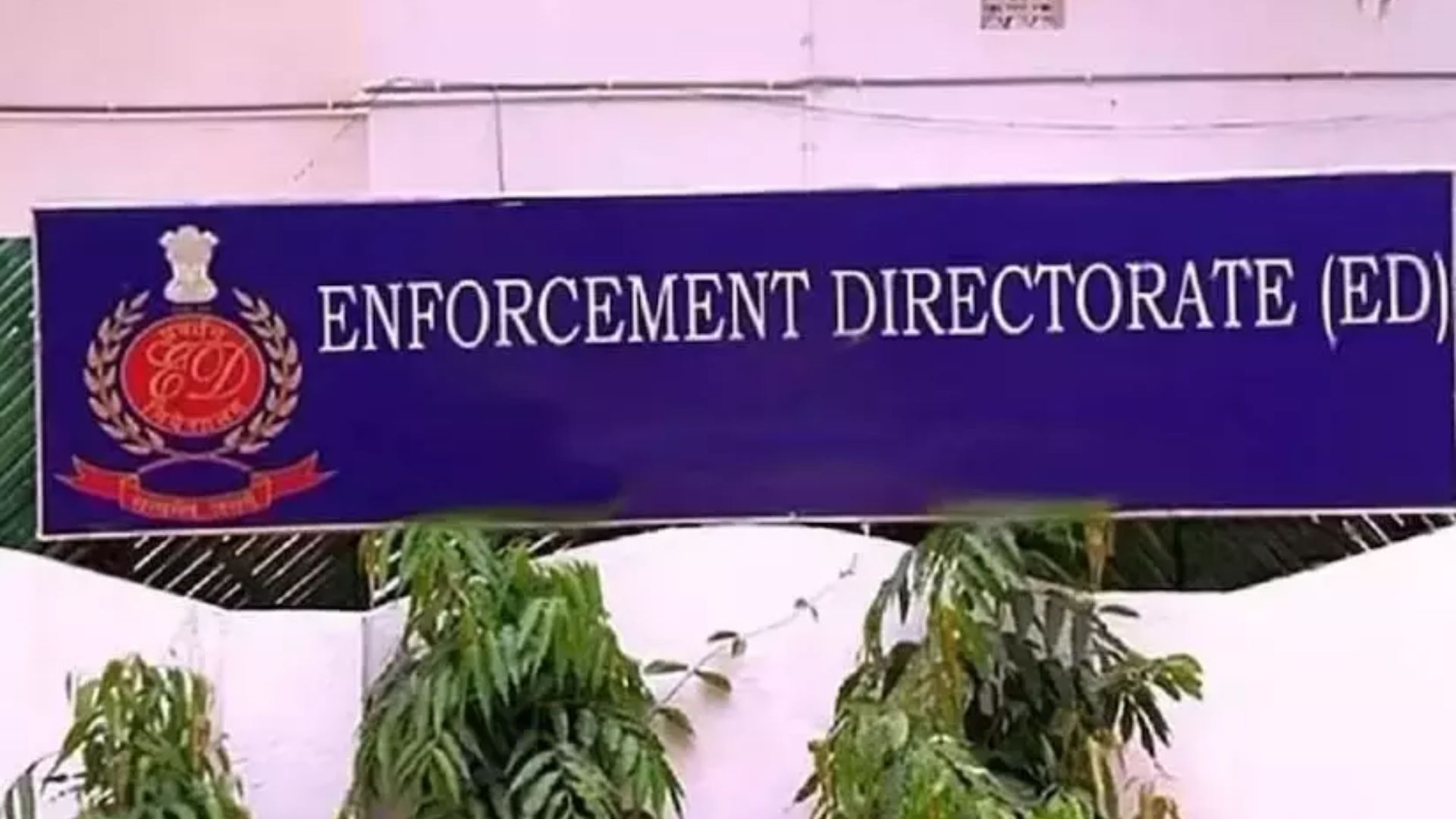
ED raids Multiple Locations in Drug Money laundering probe linked to Punjab DeAddiction centres
The Enforcement Directorate (ED) Jalandhar Zone on Thursday carried out simultaneous searches at four locations: Chandigarh, Ludhiana, Barnala, and Mumbai in connection with a money laundering investigation into the illegal sale of de-addiction medicines by 22 private drug rehabilitation centres operating across Punjab.
The ED’s action stems from a series of FIRs registered by the Punjab Police against Dr. Amit Bansal and others. Dr. Bansal, who runs 22 private de-addiction centres in the state, is accused of misusing the medical facilities meant for rehabilitation of drug addicts by diverting and illegally selling BNX (Buprenorphine/Naloxone), a critical medicine used in opioid substitution therapy.
Sources in the ED confirmed that the investigation revealed large-scale misuse of de-addiction drugs by these centres. While BNX is intended to treat substance abuse and help patients recover, when consumed in high quantities, it itself can be abused as a psychotropic substance, leading to addiction. This alarming trend has given rise to a new form of drug abuse in the region, with de-addiction centres ironically becoming part of the problem.
The probe has found that Dr. Amit Bansal systematically diverted BNX from his centres for illicit sale. Aiding him in the alleged cover-up was Drug Inspector Rupinder Kaur, who reportedly submitted falsified inspection reports to conceal pilferage of narcotics-grade medicines from Bansal’s centres.
The search operation also extended to Rusan Pharma Limited, a Mumbai-based pharmaceutical company and one of the manufacturers of BNX. Officials suspect that lapses in the company’s distribution monitoring systems might have facilitated the unlawful diversion of the drugs.
A senior ED official stated that "massive irregularities" have been detected in the procurement and dispensation records maintained by the centres. Investigators believe that a significant portion of BNX supplied to Bansal’s centres was either not administered to registered patients or was acquired in volumes far exceeding actual treatment requirements.
The ED is now examining financial trails to determine how the proceeds from the illegal sale of these medicines were laundered. The role of other pharmaceutical distributors and government officials is also under scrutiny.
This case has brought renewed focus on private de-addiction centres in Punjab, many of which operate without adequate oversight. The state, already grappling with a severe drug crisis, has faced criticism over lack of regulation and poor monitoring of such centres.
Further action and arrests are expected as the investigation progresses.
