The DOJ has released hundreds of thousands of Epstein documents. Here’s what the files contain, who is named, why the deadline was missed, and what comes next.
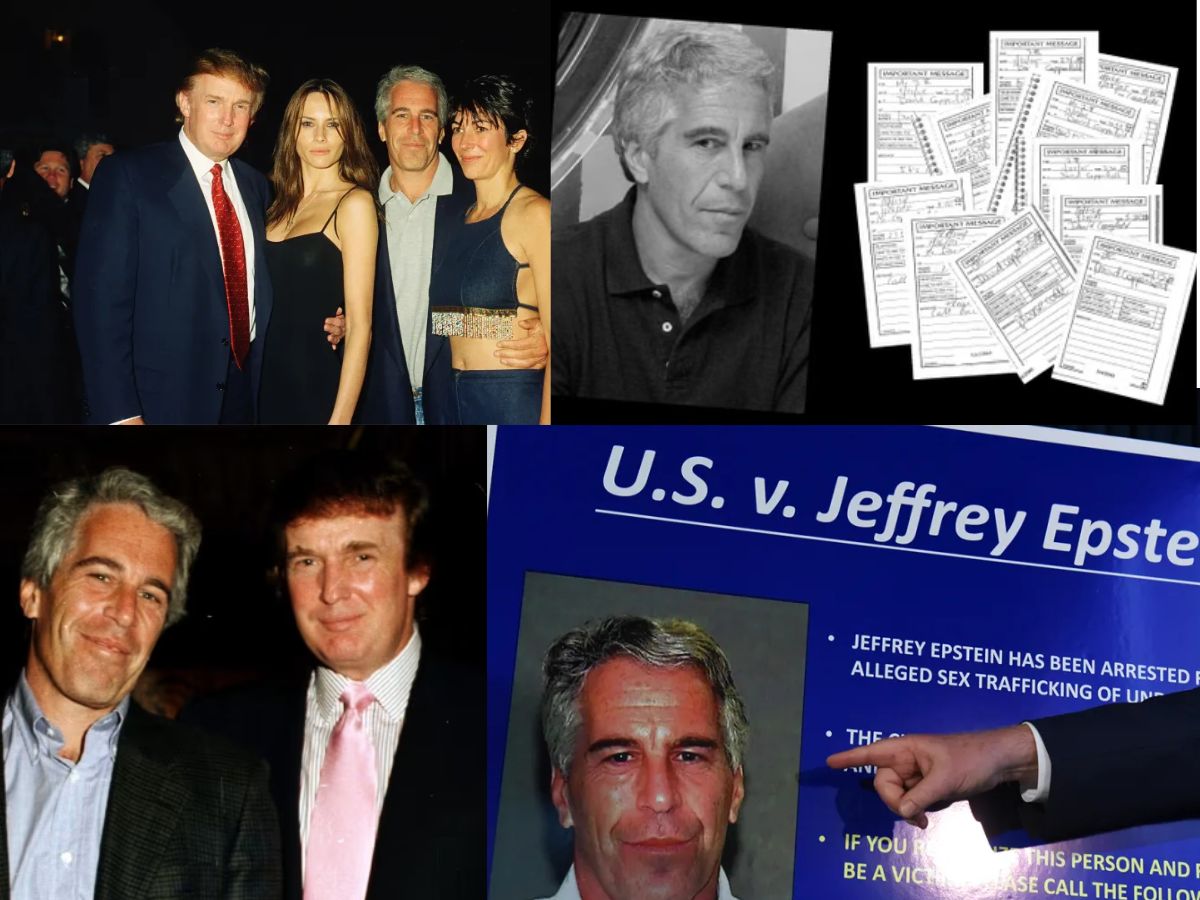
Everything you need to know about Epstein Files. (Image: X)
The U.S. Department of Justice has initiated the largest-ever public disclosure of records related to the Jeffrey Epstein sex trafficking case, releasing hundreds of thousands of documents after a legal deadline passed. The monumental release, mandated by a new transparency law, offers an unprecedented look into the investigations of Epstein and his associate Ghislaine Maxwell, though the DOJ has already admitted it will not meet the full mandate on time. Here is a comprehensive breakdown of what this means.
The “Epstein Files” constitute the official U.S. government records from multiple federal investigations into the financier’s sex trafficking network. They include:
These records were mainly kept under wraps for many years, which fueled public conjecture and calls for openness. Eventually, a specific law requiring their disclosure was passed.
Convicted of sex trafficking, Epstein used his financial clout to build relationships with powerful figures. His 2019 arrest was followed by his death by suicide in a Manhattan jail, an outcome that remains under sustained public scrutiny. He maintained a wide circle of powerful contacts before being arrested on federal charges in 2019.
The Epstein Files Transparency Act (Public Law 119–38) is the federal law that forced this week’s disclosure. Key points:
Passed: November 19, 2025, with near-unanimous bipartisan support.
Mandate: Any unclassified DOJ records pertaining to Epstein and Ghislaine Maxwell be made public by the Attorney General within 30 days.
Strict Rules: Prohibits redactions based solely on “embarrassment” or “reputational harm” to public figures.
Exceptions: Allows information that identifies victims, displays pictures of child sexual abuse, or jeopardizes national security or current investigations to be withheld.
The absolute legal deadline was 11:59 p.m. ET on Friday, December 19, 2025—exactly 30 days after the law was signed.
Yes, but only partially. On the deadline, the DOJ released an initial batch of “several hundred thousand” documents. Deputy Attorney General Todd Blanche confirmed the department missed the full legal mandate, citing the need to redact sensitive victim information. Hundreds of thousands more records are expected to be released “over the next couple of weeks.”
Lawmakers who championed the Act accuse the DOJ of violating federal law. Senate Democratic leader Chuck Schumer called the partial release a potential “cover up.” The DOJ’s failure to comply fully by December 19 is expected to trigger legal challenges and intense congressional scrutiny.
The documents reference a vast network of associates. Being named does not imply wrongdoing, as many were social, professional, or incidental contacts. Recent releases have highlighted:
Political Figures: Bill Clinton, Donald Trump, former Prince Andrew.
Tech & Business: Bill Gates, Elon Musk, Sergey Brin.
Academia & Celebrities: Noam Chomsky, Stephen Hawking, Woody Allen, David Copperfield.
New Context: Gates, Steve Bannon, and Larry Summers are shown in newly unseen locations at Epstein's estates in recent photo dumps from the House Oversight Committee.
There is no single, official "client list." The term generally refers to:
By law, the DOJ must redact or withhold:
“Epstein Island” is Little Saint James, a private island in the U.S. Virgin Islands.
Coordinates: 18°18′0″N 64°49′30″W
Location: Roughly two miles southeast of St. Thomas in the Caribbean Sea.
Status: Sold in 2023 for $60 million to a developer planning a luxury resort.
In September 2025, the House Oversight Committee released a leather-bound birthday book for Epstein from 2003. It contained a provocative drawing and a message that appears to be signed by Donald Trump. Trump has vehemently denied this, calling it “fake news,” and has filed a defamation lawsuit related to its publication.
