Dean of the institute, Vincenzo Vinzi outlines Europe’s talent strategy amid shifting geopolitics.
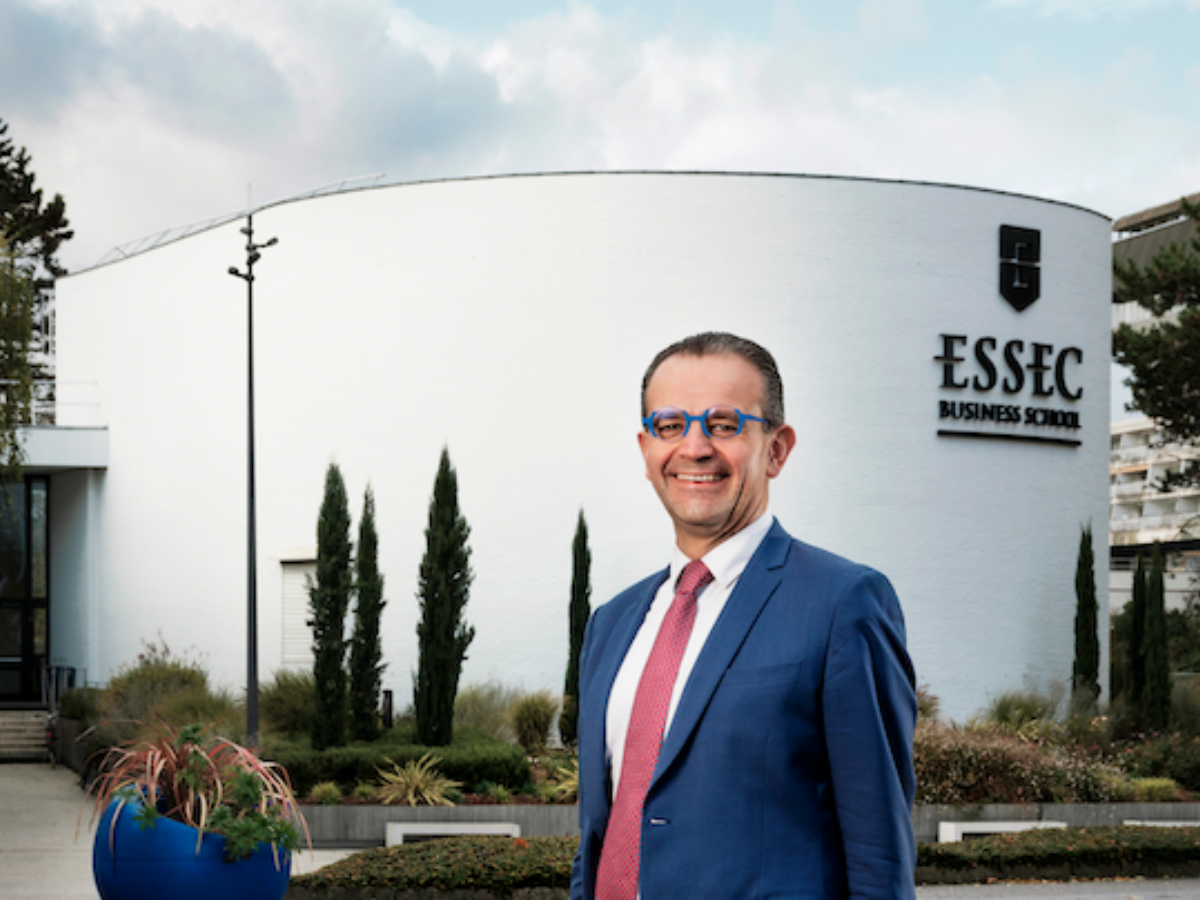
Vincenzo Vinzi
NEW DELHI: As France recalibrates its academic and innovation engagement with India, ESSEC Business School has positioned itself at the centre of that shift with the launch of its Mumbai hub during the state visit of French President Emmanuel Macron. Dean of the institute, Vincenzo Vinzi spoke to The Sunday Guardian. Edited excerpts:
Q: ESSEC chose to launch its Mumbai hub during President Emmanuel Macron’s state visit. Was this timing symbolic alignment with Indo-French diplomacy, or is the school formally integrated into France’s broader India strategy?
A: The timing is both serendipitous and symbolic—India has long been important to ESSEC, as we have a significant number of students and faculty from India. While the timing underscored the alignment with France’s broader India strategy—especially during the Indo-French “Year of Innovation”—our commitment to India is rooted in decades of academic and corporate engagement. The hub is not just a diplomatic gesture but a concrete step to deepen our institutional presence in a country that is a global talent powerhouse.
Q: Do you see ESSEC’s India expansion as part of Europe’s response to tightening U.S. visa regimes and research controls?
A: We see this as an opportunity to showcase what Europe offers: innovative pedigree, cultural diversity, and strong industry ties. France and ESSEC offer unique advantages—such as post-study work opportunities and long-term employability, a multicultural environment, a transdisciplinary approach, and proximity to both Asian and African markets due to our campuses there. Our goal is to attract talent by demonstrating the value of a European business education as a first choice, not just a backup plan.
Q: Is ESSEC positioning itself as a European gateway for Indian managerial and technological talent that might otherwise default to the U.S.? If so, how does that alter France’s strategic leverage in bilateral relations?
A: We think ESSEC can act as a bridge between India and France, especially for managerial and technological talent. By offering programs that combine global exposure with local relevance, we enable Indian students to access European networks while maintaining strong ties to their home market. This dual advantage enhances France’s strategic leverage in bilateral relations, as it fosters a pipeline of bicultural professionals who can drive innovation and business collaboration between the two regions.
Q: How does the Mumbai hub align with the Indo-French “Year of Innovation” framework in concrete economic terms rather than symbolic cooperation?
A: By strengthening student mobility through elite partnerships with IIM-B and ISB, the hub facilitates a direct exchange of global talent and specialized technical expertise. These initiatives encourage innovation by training a workforce capable of navigating complex global challenges, moving beyond symbolic gestures to produce high-value human capital.
Q: The global competition today is for talent, not territory. How does ESSEC assess India’s role in the next 20 years. Supplier of students, innovation partner, or co-creator of intellectual property?
A: India has all three. Given its quickly growing digital economy, it is increasingly a co-creator. Over the next 20 years, India will supply talent and co-develop intellectual property, especially in digital transformation, healthcare, and green technology. ESSEC’s presence in Mumbai is designed to facilitate this shift by embedding ourselves in India’s innovation ecosystems, from Bengaluru’s tech hubs to Mumbai’s financial sector.
Q: How does ESSEC evaluate regulatory risk in India compared to operating in China, Southeast Asia, or the Middle East?
A: India’s regulatory environment is evolving, with a strong focus on localization and data sovereignty. While this presents challenges, it also offers stability compared to geopolitical uncertainties in some other regions. Southeast Asia, meanwhile, remains fragmented. India’s democratic framework and growing emphasis on higher education make it a lower-risk, high-potential market for long-term investment. We work closely with local authorities to navigate compliance while maintaining academic freedom.
Q: Is the Mumbai hub designed primarily as a revenue-generating outpost, a brand anchor, or a pipeline builder feeding students into France-based programs?
A: We like to see our hubs as embassies—we also have hubs in London and New York. We see our Mumbai hub as a strong foothold to build deeper ties with Indian higher education, corporate partners, and our alumni network. This move is the first step in our long-term plan for a significant institutional presence in India. Our goal is to build a sustainable, mutually beneficial ecosystem for students, alumni, and corporate partners alike.
Q: Would you characterize this move as part of France’s soft power expansion in South Asia?
A: This move is aligned with France’s aim to develop soft power in South Asia, especially as seen with the Indo-French Year of Innovation. By fostering academic and cultural exchanges, we contribute to a narrative of France as an open, innovative, and inclusive destination for global talent. This aligns with President Macron’s vision of France as a hotspot for international education and research.
Q: If U.S. immigration policy liberalizes again, does that weaken Europe’s relative attractiveness to Indian students?
A: It’s our role to make sure that our programs are attractive, regardless of what’s happening in the U.S. Access to Europe will remain attractive due to accessibility, affordability compared to the U.S., and adaptability. France in particular offers programs in English and French, a visa pathway after studies, and unparalleled access to industries like luxury and hospitality.
