Pakistan-Afghanistan talks in Türkiye collapse after Islamabad’s delegation reverses stance post-call; Kabul accuses Pakistan of erratic conduct and lacking diplomatic clarity.
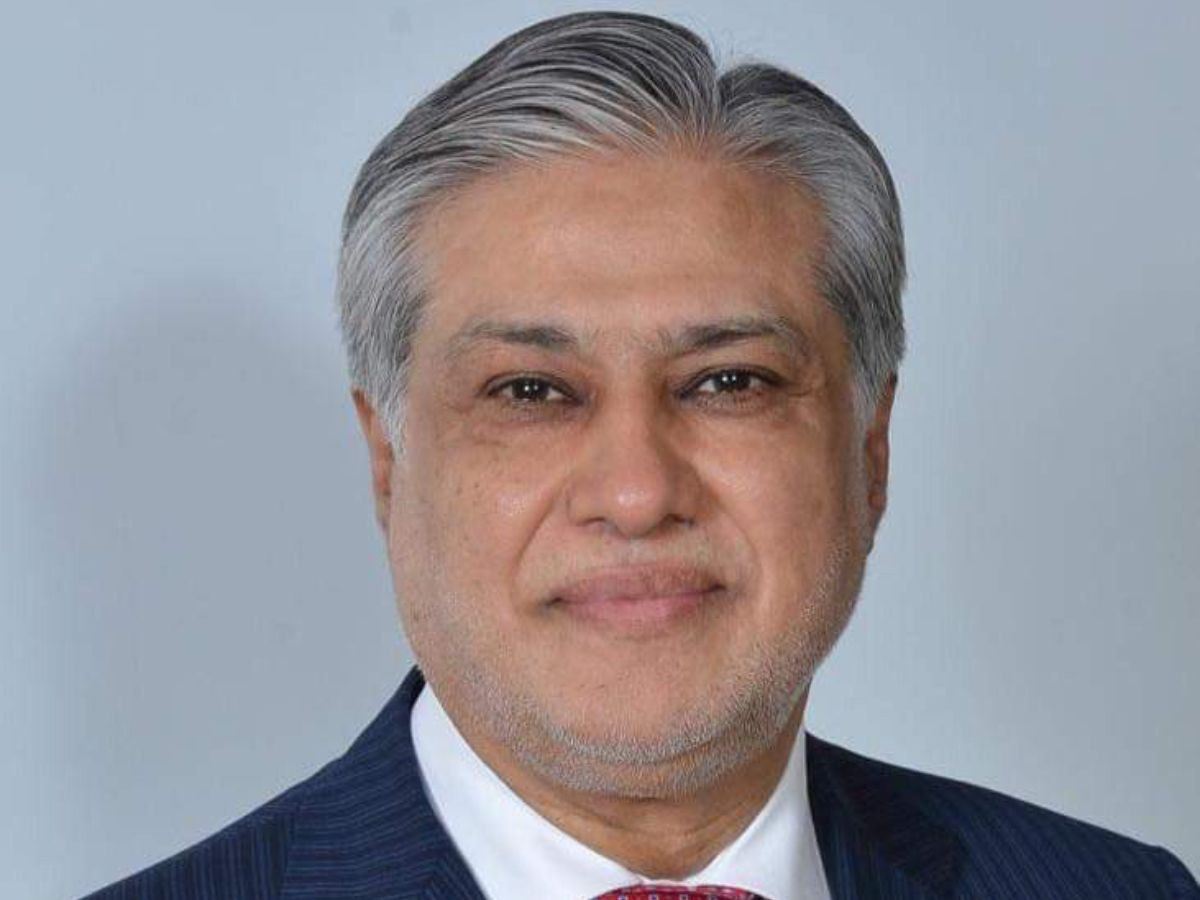
Exclusive | Phone call from Islamabad derails Afghanistan-Pak peace talks (Image: X/PTI)
New Delhi: The latest round of Pakistan–Afghanistan negotiations in Türkiye has collapsed moments after the Pakistani delegation received a phone call from Islamabad and abruptly reversed its position, according to insiders familiar with the closed-door discussions.
The three-day talks, mediated by officials from Qatar and Türkiye, had been on the verge of agreement. Both sides had finalized nearly all agenda items. Afghanistan had reiterated its long-standing position that it would not allow anyone to use its soil to attack Pakistan and had offered to formalize this commitment. In return, Kabul sought reciprocal guarantees — that Pakistan would not violate Afghan airspace, would prevent U.S. drones from operating through its territory, and would ensure ISIS-linked groups were not allowed to use Pakistani soil to strike Afghanistan.
Initially, the Pakistani delegation agreed to these conditions. But soon after receiving the phone call, it retracted its consent, saying Islamabad could not prevent U.S. drone operations or guarantee measures against ISIS elements. “It was all but settled — and then everything changed after that call,” said one insider.
Diplomatic sources said the abrupt U-turn shocked the mediators, who described the Pakistani team’s behavior as erratic and uncoordinated. The delegation had already drawn attention for its off-topic interventions, poor preparation, and frequent use of harsh and disrespectful language. At one point, Turkish and Qatari representatives privately remarked to the Afghan side that Pakistan appeared to be “struggling with too many difficult neighbors.”
Insiders said the Pakistani delegation also lost composure during exchanges, resorting to mocking and insulting remarks that unsettled the room. The head of the delegation, described as behaving “very poorly,” demanded that Afghanistan “take control of all groups” that carry out attacks inside Pakistan — a request the mediators found “unusual and unrealistic.”
Pakistan’s representatives warned that if the Tehrik-i-Taliban Pakistan (TTP) continued attacks, Islamabad would retaliate against Afghanistan. The Afghan side countered that controlling violence inside Pakistan was the responsibility of Pakistan’s own security forces, not Kabul’s.
By the final day, all agenda items except one had been settled. However, the phone call and subsequent reversal undid days of progress, leaving the session in collapse.
