The US captured the Venezuelan President Nicolas Maduro in a rare military operation. Key motives include drug trafficking charges, vast oil reserves and geopolitical strategy.
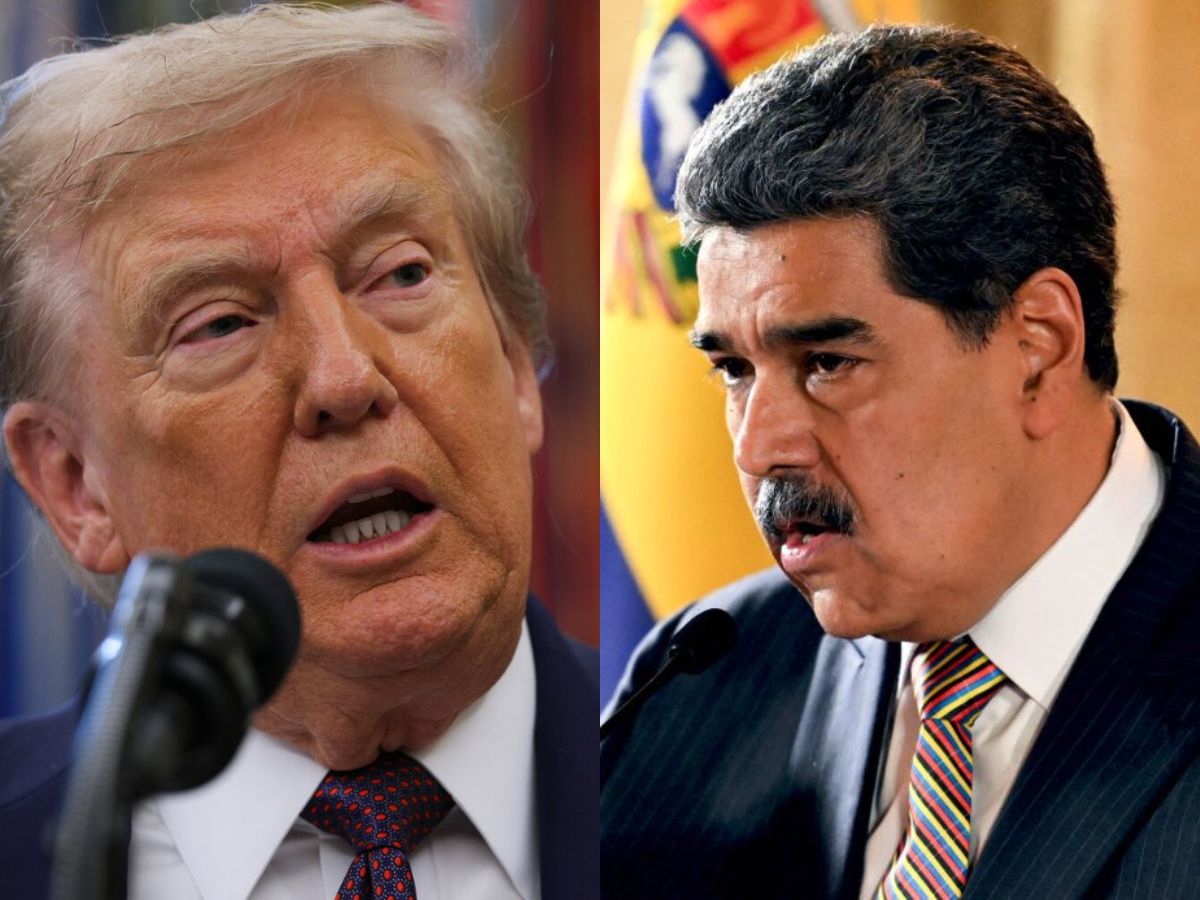
The US captured the Venezuelan President Nicolas Maduro in a rare military operation [Photo: X]
The US sudden military operation in Venezuela that captured President Nicolas Maduro and his wife, Cilia Flores, shocked the world and raised urgent questions about motive and legality.
President Donald Trump described the capture as a strategic victory and said the US would 'run' the country in the interim while ushering in a transition of power. Critics have suggested that access to Venezuela's vast oil reserves and countering geopolitical rivals also influenced the decision.
One of the central reasons cited by the US is criminality and drug trafficking. A major indictment by the Southern District of New York accuses Maduro, his family and close associates of leading a corrupt regime that collaborated with violent drug networks.
The indictment lists multiple charges, including narco-terrorism conspiracy and cocaine importation conspiracy. US authorities allege Maduro worked with organisations such as the Sinaloa Cartel, Tren de Aragua and FARC to ship large quantities of cocaine into the United States and profit from the trade.
The indictment describes Maduro’s government as having “leveraged government power to protect and promote illegal activity, including drug trafficking.”
This criminal narrative provided a legal pretext for US law enforcement to pursue action against a sitting head of state, though experts question whether drug charges alone justify a military invasion under international law.
Venezuela sits atop the world’s largest proven crude oil reserves, dwarfing those of Saudi Arabia and other oil producers. These resources have long made the country strategically important, even as its economy weakened from years of mismanagement and sanctions.
Trump openly linked the operation to energy interests, stating that US oil companies would play a major role in repairing Venezuela’s broken infrastructure and selling “large amounts of oil.”
While the US now imports only a fraction of global oil, Venezuela’s resources could provide leverage in global markets and counter the influence of other energy powers. Critics such as Senator Bernie Sanders and former Vice President Kamala Harris condemned the strike as an effort to secure oil access rather than a genuine law enforcement action.
The US didn’t move from sanctions to military action overnight. Since Trump’s second term began, Washington intensified economic sanctions, asset freezes and criminal indictments against Venezuelan leaders. The government also labelled criminal gangs like Tren de Aragua as foreign terrorist organisations.
From late 2025, the US began bombing alleged drug trafficking boats and infrastructure in the Caribbean and Pacific, escalating pressure on the Maduro government. These operations were framed as needed to reduce narcotics flows into the United States.
This buildup of military, legal and economic pressure set the stage for the dramatic January 3, 2026, operation that ended with Maduro in US custody.
Observers say the operation also fits into a broader geopolitical strategy. Venezuela’s economic collapse and its pivot toward partners like China and Russia worried US policymakers, who see influence in Latin America as a key element of regional power.
The intervention signals a more assertive US posture in the Western Hemisphere, reminiscent of past doctrines asserting dominance in Latin America. While some Republicans framed the action as a blow against narco-terrorism and illegitimate leadership, critics argue it looks like a return to power politics aimed at reshaping regional influence.
The operation drew mixed reactions internationally. Countries such as Cuba, Iran and Russia condemned the action as a violation of sovereignty, while some allies voiced cautious support. Domestically, leaders from both US political parties clashed over legality, motives and long-term consequences.
Critics stress that military captures of foreign leaders set dangerous precedents and risk destabilising regional order, while supporters argue that long-standing criminal actions and political oppression justified extraordinary measures.
With Maduro in custody and a power vacuum in Caracas, the future remains uncertain. Venezuela’s interim leadership structure is contested, and regional relations are strained. The US is likely to push a political and economic transition plan, but implementing it may prove difficult amid domestic and international resistance.
As Washington consolidates its approach, the world watches how oil markets, drug policy, and hemispheric diplomacy will evolve in the aftermath of one of the most dramatic foreign interventions in recent memory.
