
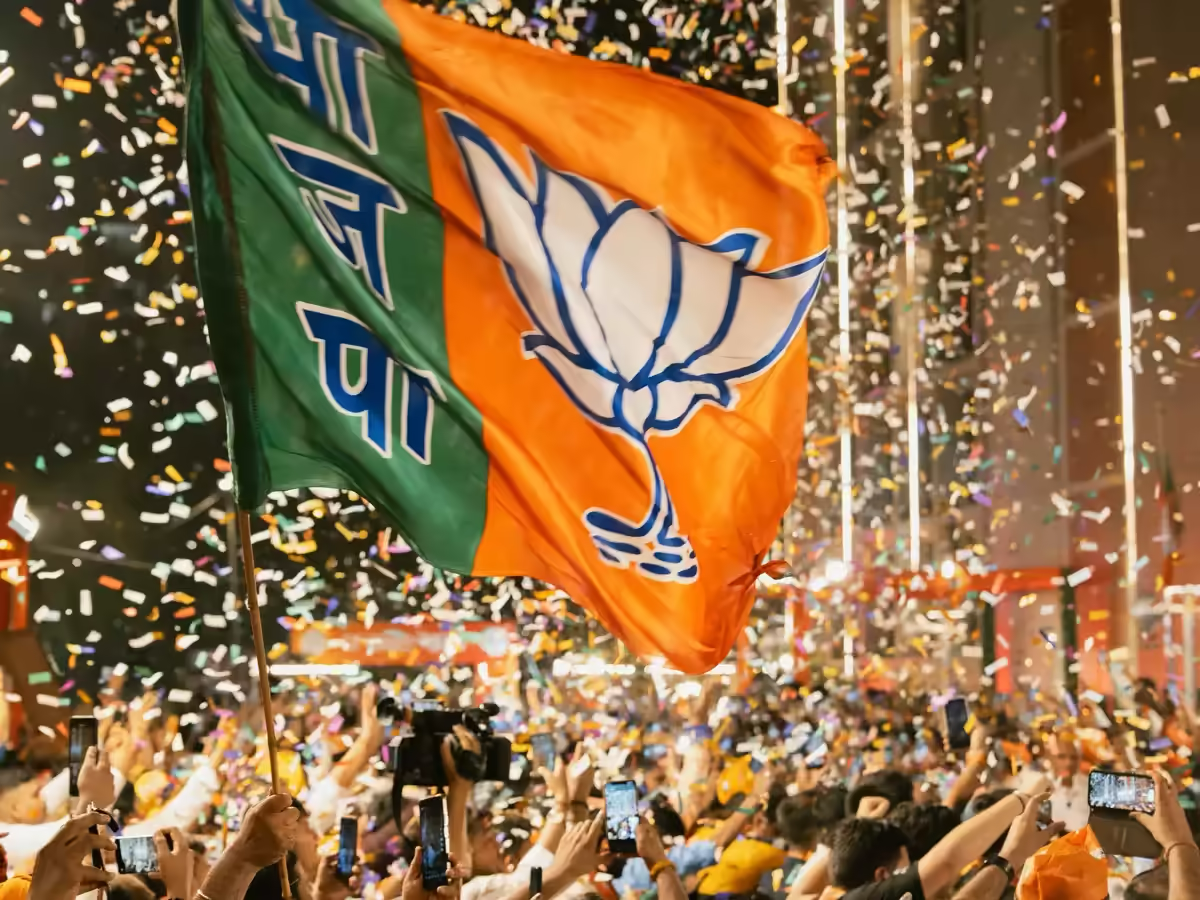
NEW DELHI: As West Bengal moves towards the 2026 Assembly elections, the Bharatiya Janata Party has intensified its statewide outreach, aiming to expand its social base and challenge the ruling All India Trinamool Congress.
Under national president Nitin Nabin, the party has initiated a multi-layered mobilisation strategy targeting youth, working-class communities and professional groups, including doctors and academics. A central component of the campaign is the BJP’s sharpened focus on young voters. Its youth wing, the Bharatiya Janata Yuva Morcha, has launched the “Yuva Adda” programme across districts. Designed as informal discussion platforms, these forums seek to engage students and early-career professionals on issues such as unemployment, career prospects and governance.
The BJP has positioned the initiative as an alternative to the state government’s Banglar Yuva Sathi scheme, which provides financial assistance to unemployed educated youth. Party leaders argue that temporary stipends cannot substitute for long-term employment generation and structural economic planning.
Complementing this effort is the “Namo Yuva Warriors” campaign, a youth-centric outreach drive focusing on corruption, joblessness and crimes against women. The programme blends on-ground mobilisation with digital engagement to enrol first-time voters and young participants in the electoral process. Beyond youth engagement, the party has stepped up interaction with professional communities. Roundtable discussions with doctors, professors and subject experts have been organised in key cities to address sector-specific concerns and counter perceptions that the BJP’s messaging does not sufficiently account for Bengal’s socio-economic landscape.
During a recent visit, senior BJP leader and Union Health Minister J. P. Nadda met healthcare professionals in the state, emphasising the need for sustained dialogue with the medical fraternity. Party spokesperson Sambit Patra also participated in a Professors’ Meet, seeking inputs on education reforms and economic revival. Observers view these engagements as an attempt by the BJP to broaden its appeal beyond its traditional support base and cultivate urban opinion leaders, including professionals and academics. The party’s narrative is increasingly framed around development, employment and security.
The centerpiece of the campaign is the proposed “Parivartan Yatra,” scheduled to begin on March 1. The BJP plans to conduct nine simultaneous yatras covering nearly 5,000 kilometres and traversing all Assembly constituencies in the state.
The outreach drive is expected to feature around 30 major rallies and approximately 600 smaller public meetings. Party leaders describe the yatra as a vehicle to amplify the call for political change after 15 years of TMC rule and to take the BJP’s message directly to voters across Bengal.
Political observers note that while the scale of the outreach reflects organisational resolve, the party’s electoral performance in 2026 will depend on its ability to convert mobilisation efforts into consolidated voter support.




