
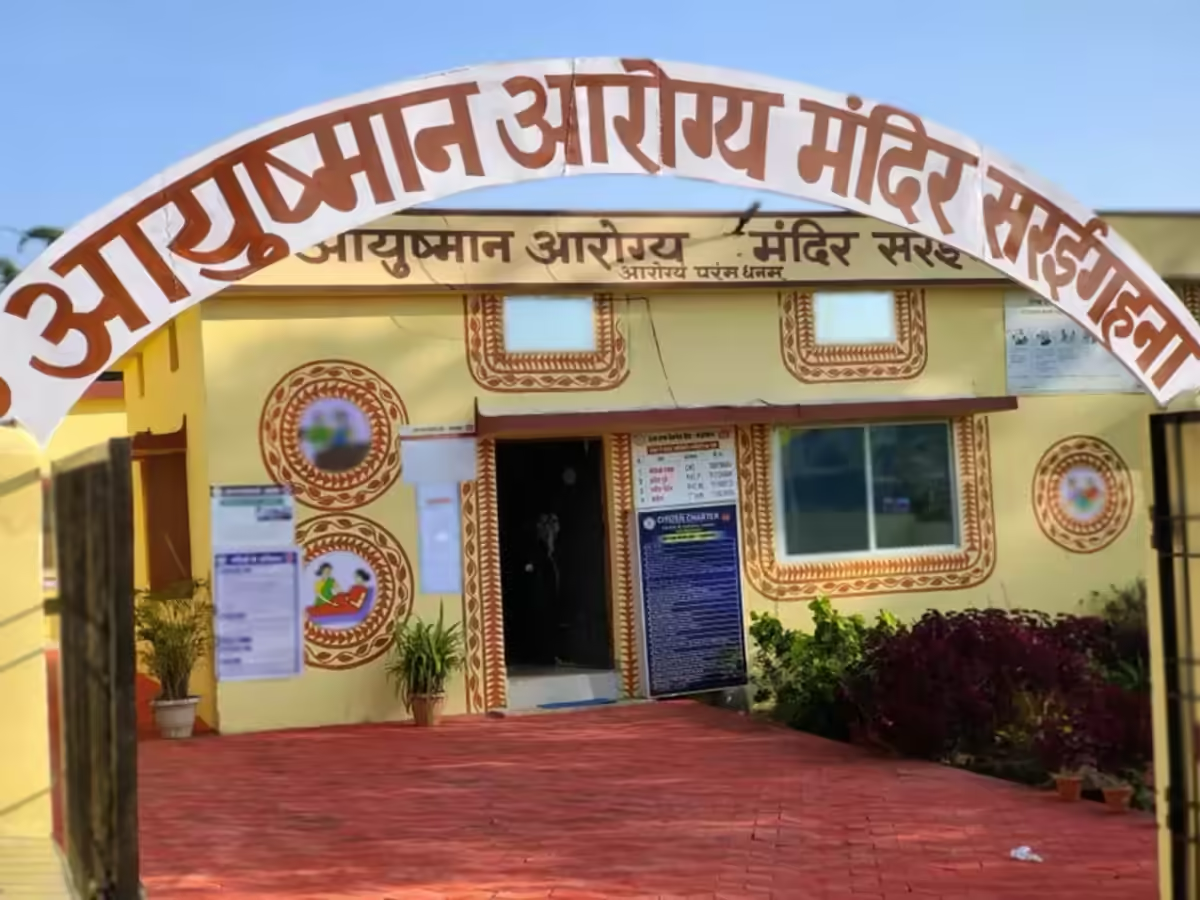
NEW DELHI: At an Arogya Mandir Clinic in Kalkaji, Anjali, 20, a resident of Govindpuri, waits for her turn to see the doctor. Within a few minutes, she is called inside. A minute later, she steps out holding a prescription slip.
“I was diagnosed with tuberculosis a few months ago, and since then I have been coming here for my monthly check-ups,” she said. “Doctors here are cooperative, and the medicines are free of cost. It has been easy for me to come here for regular checkups.”
To strengthen healthcare facilities across the city, the Delhi government under Chief Minister Rekha Gupta last month inaugurated 81 new Arogya Mandir Clinics, taking the total number of operational centres to 319.
These clinics, formerly known as Urban Ayushman Arogya Mandirs (UAAMs), are part of the government’s phased plan to establish 1,139 such facilities across the capital. At several centres, testing facilities for blood sugar, dengue and malaria have been introduced, a move officials say will bolster urban primary healthcare services.
To assess patient flow and the availability of services, The Sunday Guardian visited multiple Arogya Mandir Clinics across Delhi. The majority of patients were present for routine check-ups and follow-ups. However, several flagged concerns related to limited testing facilities and clinic timing.
“I have been trying to see a doctor after my work hours, which is after 2 pm, but by the time I reach here, the doctors are not available,” said Amit Kumar, 28, a labourer waiting at the Kalkaji Arogya Mandir Clinic with complaints of severe body ache and fever. “I had to take a day off from work to see the doctor.”
Other patients expressed similar concerns about the official operating hours, which run from 8 am to 2 pm, and about occasional absence of doctors. Attempts to speak to doctors at several clinics were unsuccessful, as most declined comment, stating they were “not authorised to speak to the media.”
At the Amar Colony Arogya Mandir Clinic, however, Dr Nitin Sharma said the centre sees approximately 60-70 patients daily. “There are a range of issues — cough, blood pressure, diabetes, headache, vomiting,” he said while attending to a patient with fever. Asked about complaints regarding timings, he responded, “These are the official timings and they can only be changed by the government.”




