
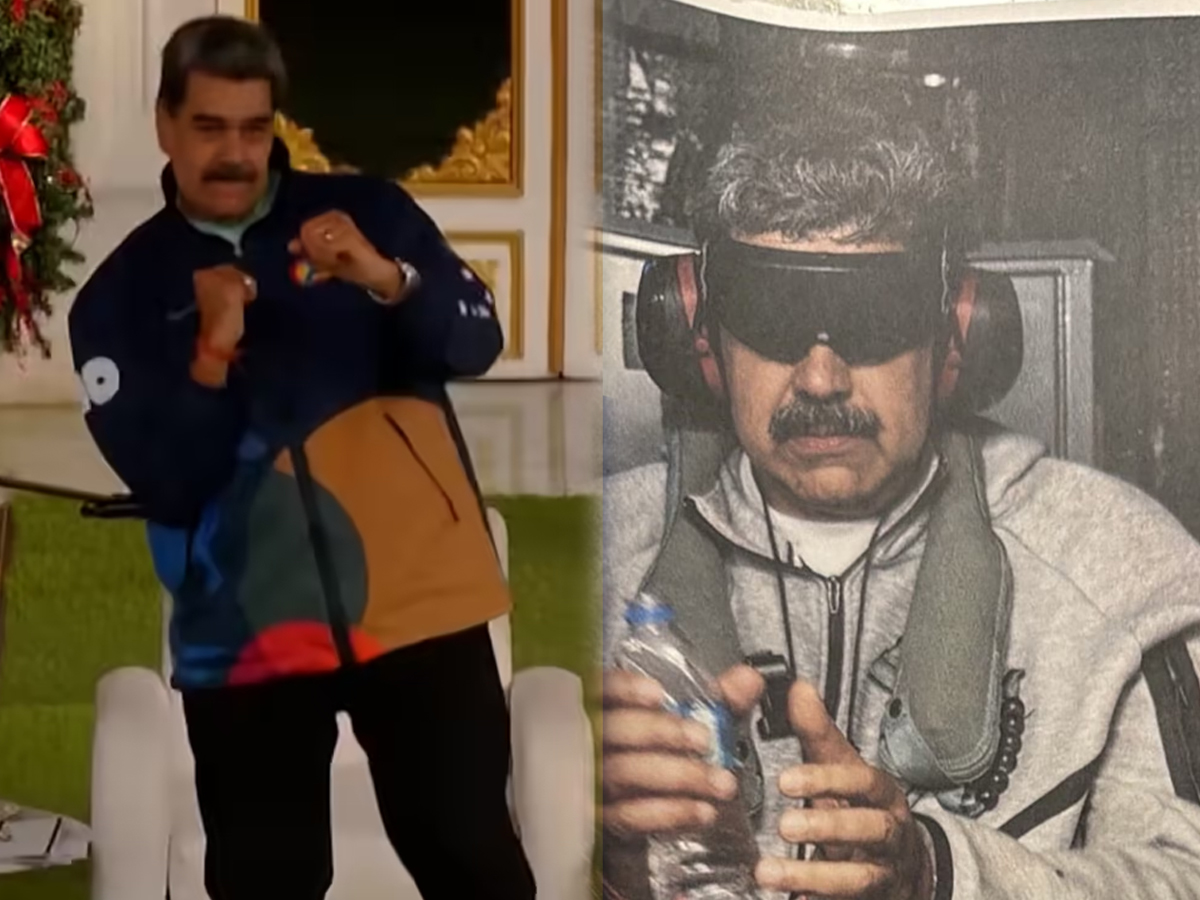
What appeared to be casual television moments in Venezuela soon took on serious global meaning. Venezuelan leader Nicolás Maduro’s public dancing and relaxed appearances were reportedly interpreted in Washington as deliberate provocation. Senior officials saw these acts not as harmless performances but as open defiance of U.S. warnings.
That perception, officials say, played a key role in the Trump administration’s decision to move decisively against him.
Why Maduro’s TV Appearances Raised Alarms
In the weeks before the operation, Maduro made several high-profile appearances on state television. One video showed him dancing to electronic music as a recorded voice repeated in English, “No crazy war.” The clip spread quickly online and drew attention far beyond Venezuela.
Inside the White House, officials reportedly saw the moment as mockery. They believed Maduro was signaling that he did not take U.S. threats seriously. One official later described the moment as “one dance move too many.”
Venezuelan dictator Nicolas Maduro tries to prevent being from removed from power by dancing to a musical remix of his own “No War, Yes Peace” speech
He lost last year’s election and refuses to leave
He ships drugs to the U.S. while seeding Marxist revolutions in Latin America… pic.twitter.com/5MlAH3XhiK
— Ryan Saavedra (@RyanSaavedra) November 24, 2025
Ultimatums Rejected, Tensions Rise
Before military action, President Donald Trump had reportedly offered Maduro a way out. The proposal included stepping down and accepting exile in Turkey. Maduro rejected the offer and continued making public appearances that projected confidence and defiance.
U.S. officials interpreted his behavior as an attempt to call Washington’s bluff. They believed the Venezuelan leader felt protected by regional allies and domestic control. This perception hardened views within the administration that warnings alone would not work.
Why the Dance Became a Turning Point
Analysts say the episode shows how symbolism matters in global politics. What Maduro may have intended as confidence or resistance was interpreted abroad as provocation.
In high-stakes diplomacy, perception often drives action. In this case, a few televised moments became a symbol of defiance — and helped accelerate one of the most dramatic U.S. interventions in Latin America in years.
From Warning to Operation
The situation escalated after the United States carried out a strike on a Venezuelan dock, it said was linked to drug trafficking. Instead of lowering tensions, Maduro’s public response appeared dismissive.
Officials later said these actions convinced decision-makers that Maduro would not back down voluntarily. The White House decided to act on earlier military plans rather than continue diplomatic pressure.
US Capture in Caracas
On a pre-dawn Saturday operation, an elite U.S. military unit entered Caracas. The team detained Maduro and his wife, Cilia Flores, before transporting them to New York. Maduro now faces drug trafficking charges in the United States.
The operation stunned the region and triggered immediate political fallout inside Venezuela. Questions over sovereignty, legality, and international norms followed within hours of the announcement.




