INS Nistar, India’s first indigenous diving support vessel, enhances submarine rescue, deep-sea operations, and disaster response, marking a milestone in self-reliant naval capabilities.
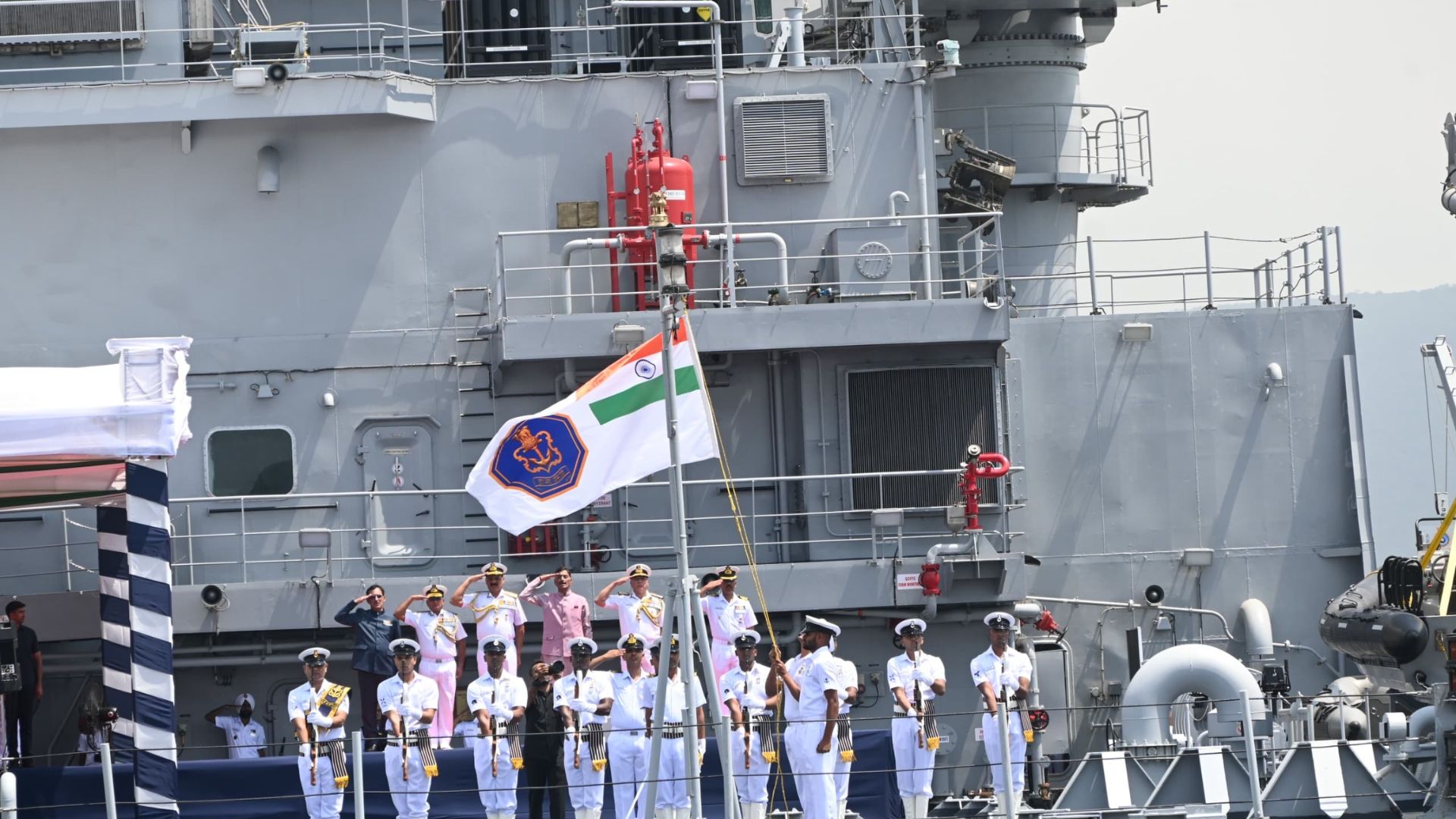
India commissions its first indigenous deepsea rescue vessel
India on Friday commissioned its first fully indigenous diving support vessel, named Nistar, at Visakhapatnam, bolstering the Navy’s capacity to carry out complex underwater rescue and recovery operations.
The commissioning marked a significant milestone for India’s maritime ambitions and self-reliance in defence technology. Built by Hindustan Shipyard Limited, the 118-metre-long vessel is the first of its kind to be designed and constructed entirely in the country.
INS Nistar is designed to perform a wide range of deep-sea tasks, from submarine crew rescue to salvage operations and recovery of sunken objects. It will also play a critical role in peacetime missions such as underwater inspections and humanitarian operations.
With a displacement of up to 10,000 tonnes and the ability to stay at sea for more than two months without needing to dock, INS Nistar is among the most capable ships of its class in the Indian Ocean Region.
It can support deep saturation diving missions up to 300 metres and is equipped to launch a Deep Submergence Rescue Vehicle (DSRV), allowing for crew extraction from submarines stranded at depths of up to 1,000 metres.
The ship also has a dynamic positioning system to maintain stability in rough conditions and a subsea crane for heavy-lift operations below the surface.
The vessel revives the name of a previous Navy ship, also called INS Nistar, which was used for submarine support and played a key role in the aftermath of the 1971 sinking of Pakistani submarine PNS Ghazi during the Indo-Pakistani war.
While the original Nistar was acquired from the Soviet Union, the new vessel is a product of India’s own defence manufacturing ecosystem, involving over 120 domestic micro, small and medium enterprises (MSMEs).
The Navy has said the ship’s crest, depicting an anchor and a dolphin, symbolises faith and good fortune at sea. Its Sanskrit motto, "Surakshita Yatharthta Shauryam", translates to "Deliverance with Precision and Bravery".
India currently operates two DSRVs and has relied on foreign platforms for much of its submarine rescue infrastructure in the past. The induction of Nistar, and its upcoming sister ship Nipun, represents a shift towards sovereign capabilities in this specialised domain.
Beyond military operations, the vessel’s onboard hospital facilities, decompression chambers, and ability to support extended underwater missions also make it suitable for disaster response and humanitarian roles.
The ship is expected to serve as a hub for underwater operations in the Indian Ocean, a region of increasing geopolitical importance and frequent maritime incidents.
