
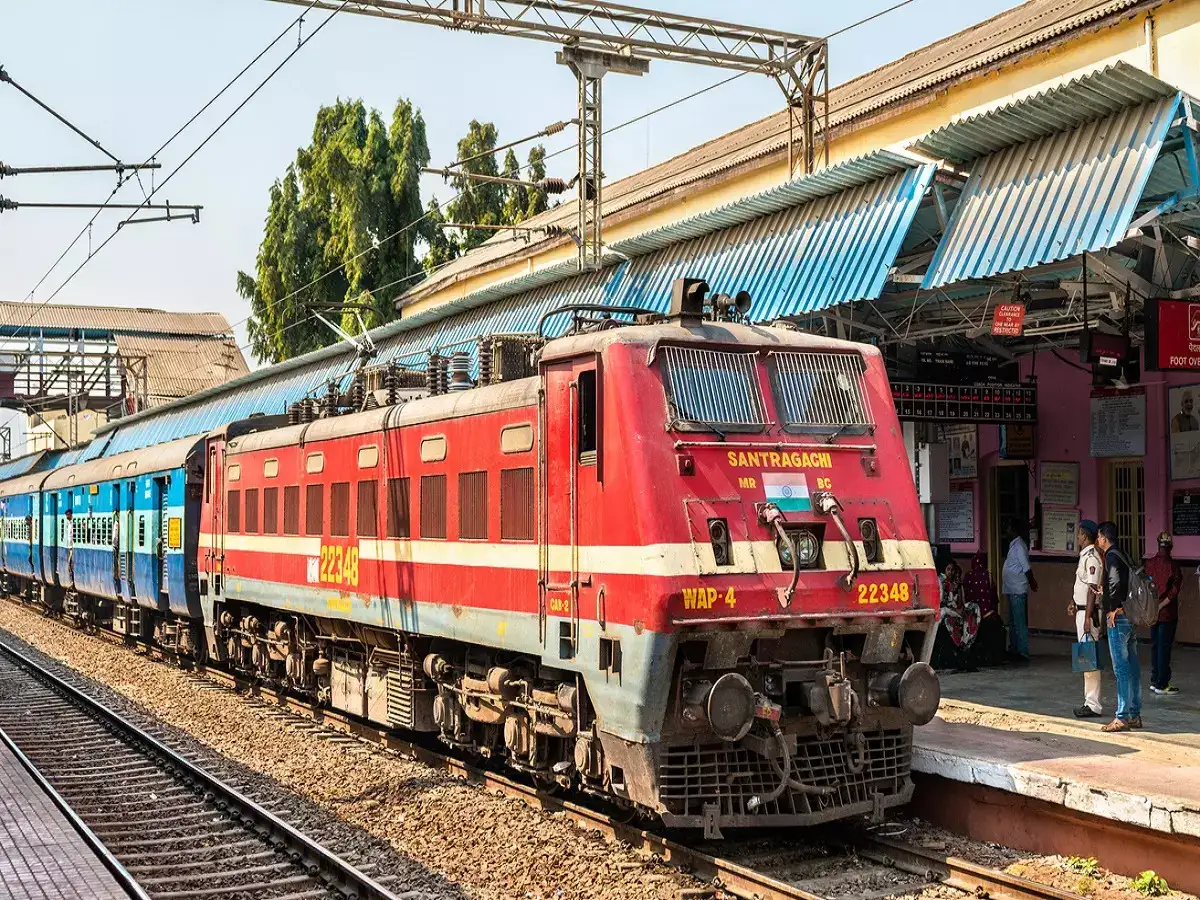
NEW DELHI: Indian Railways has reduced diesel consumption by 178 crore litres since 2016-17 and electrified 99.4 percent of its broad gauge network, saving an estimated Rs 14,000-crore in fuel expenditure while sharply reducing pollution, according to data released by the government. The reduction represents a 62 percent decline in diesel use compared to 2016-17 levels, reflecting the rapid transition from diesel to electric traction across the national transporter.
Indian Railways has spent Rs 29,826 crore on electrification over the past five years, an investment that is already being offset by savings in diesel expenditure. The 178 crore litres of diesel saved would have cost approximately Rs 14,000 crore at average bulk procurement prices, indicating that nearly half of the electrification investment has effectively been recovered through fuel savings alone.
ZONE-WISE PROGRESS
Electrification has now been completed across 14 railway zones. These include:
- Central Railway
- East Coast Railway
- East Central Railway
- Eastern Railway
- Konkan Railway
- Kolkata Metro
- North Central Railway
- North Eastern Railway
- Northern Railway
- South Central Railway
- South East Central Railway
- South Eastern Railway
- West Central Railway
- Western Railway
All of these have achieved 100 percent electrification. Four additional zones have reached near completion and are in the final stages of electrification. North Western Railway and Southern Railway have electrified about 98 percent of their networks, while Northeast Frontier Railway and South Western Railway have reached approximately 95 percent electrification.
ENVIRONMENTAL AND OPERATIONAL IMPACT
Overall, Indian Railways has electrified about 99.4 percent of its broad gauge network, placing it among the most extensively electrified railway systems globally. Electrification has accelerated significantly since 2014, with 46,900 route kilometres electrified between 2014 and 2025, compared to 21,801 route kilometres electrified in the previous six decades.
Apart from financial savings, electrification has substantially reduced pollution. Burning one litre of diesel produces about 2.68 kilograms of carbon dioxide. The reduction of 178 crore litres of diesel therefore corresponds to approximately 477 million tonnes of carbon dioxide emissions avoided. Electrification also eliminates particulate matter, nitrogen oxides, and other pollutants emitted directly by diesel locomotives, improving air quality, especially in densely populated and industrial corridors.
Electrification reduces dependence on imported fossil fuels by replacing diesel consumption with electricity, which can increasingly be generated from domestic and renewable sources. Electric locomotives also provide higher hauling capacity, lower maintenance costs, and improved operational efficiency. Diesel locomotives continue to operate in limited roles such as shunting, backup traction, and on the small remaining unelectrified sections. However, diesel traction has shifted from being the primary mode of railway propulsion to a residual and contingency function.




