Railway infrastructure expansion aims to meet surging travel demand and ease congestion nationwide.
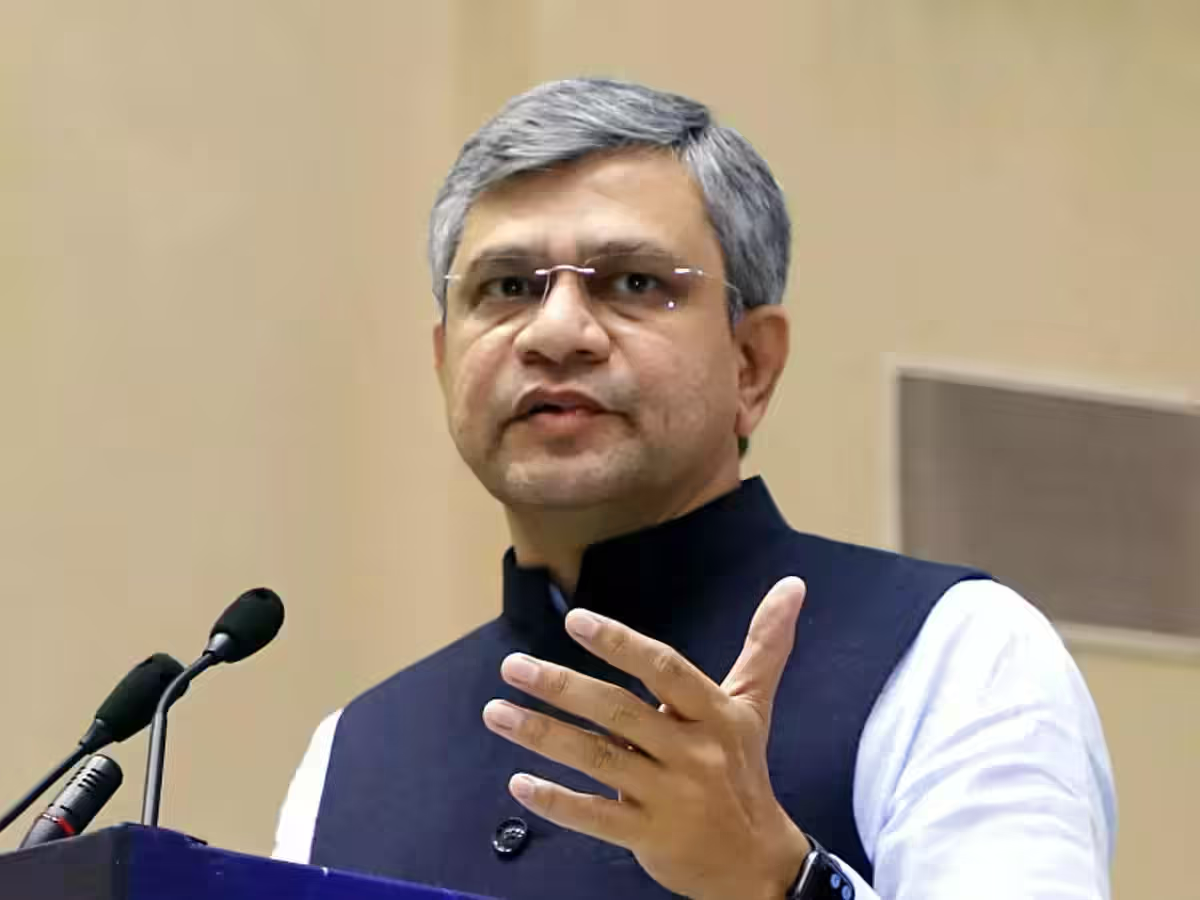
Railway Minister Ashwini Vaishnav announces expansion of train terminals and infrastructure to ease congestion and boost connectivity (Photo: File)
KOLKATA: In view of the continuously growing demand for travel, the capacity of major cities, including second tier cities, to originate new trains needs to be doubled from the current level in the next five years. The existing infrastructure will be augmented to meet the requirements of the coming years. The works for doubling the originating capacity by the year 2030 will include actions such as augmenting current terminals with additional platforms, stabling lines, pit lines and adequate shunting facilities.
This will also involve identifying and creating new terminals in and around urban areas, developing maintenance facilities including mega coaching complexes, and increasing sectional capacity through traffic facility works, signalling upgradation and multitracking required for handling increased numbers of trains at various points.
According to Railway Minister Ashwini Vaishnav, "Expansion of coaching terminals in key cities is required to meet rising passenger demand, reduce congestion and improve nationwide connectivity. Short and medium term steps to reap the benefits of capacity addition have been sought from zones to ease traffic at busy stations". While planning the increase in terminal capacity, stations around major terminals will also be considered so that capacity is evenly balanced.
For example, for Pune, Hadapsar, Khadki and Alandi have been considered for increasing capacity along with the addition of platforms and stabling lines at Pune station. The entire exercise will be carried out for both suburban as well as non suburban traffic, keeping in view the distinct requirements of both segments. A comprehensive plan covering 48 major cities is under consideration. The plan will include works that are planned, proposed or already sanctioned to achieve the goal of doubling the capacity for handling trains in these cities.
