A series of deadly fires reveals systemic negligence embedded deep within regulatory enforcement.
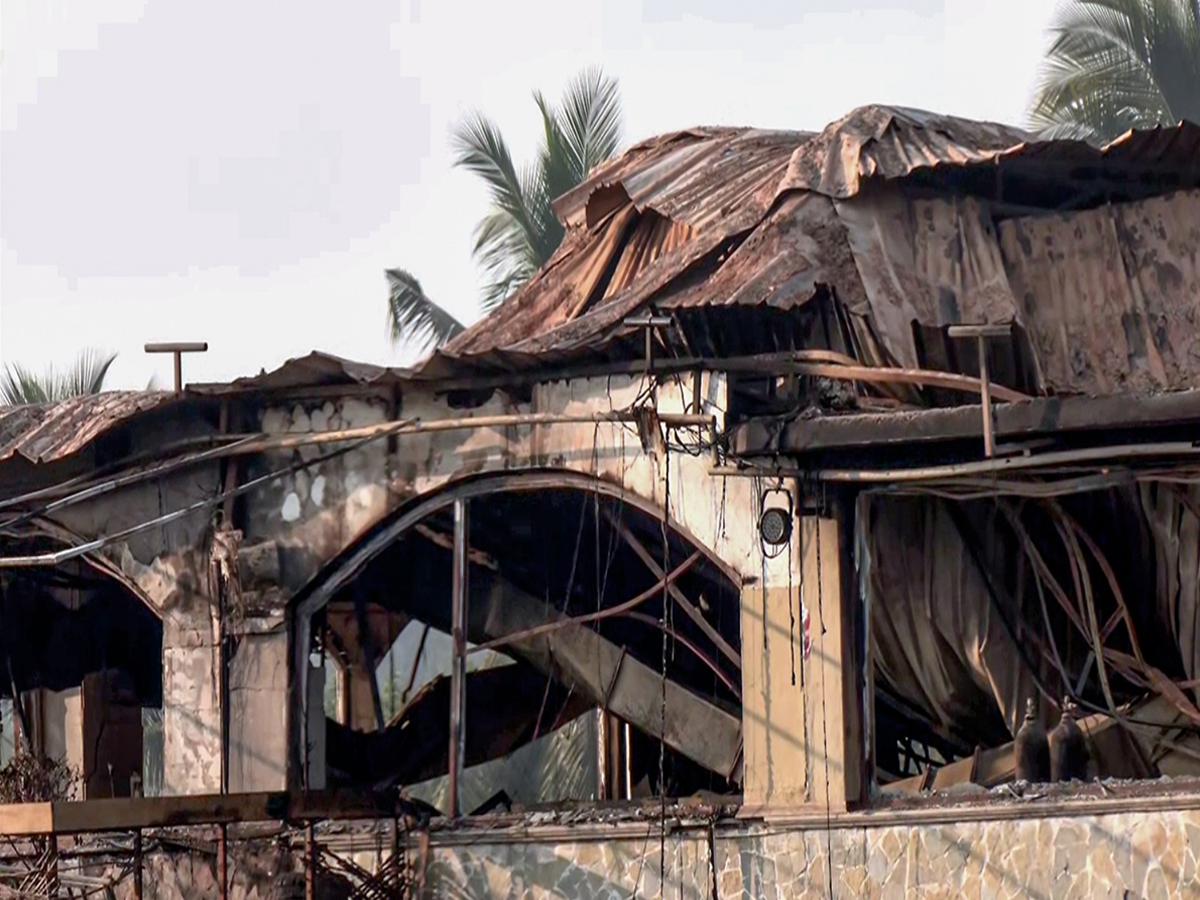
The Goa accident, investigators told this newspaper, shows the same elements that appeared in at least three earlier cases in Delhi and Gujarat. (Photo: ANI)
New Delhi: The fire that killed 25 people at a nightclub in Goa this month has been described as a shocking failure of safety enforcement, but records of similar incidents over the past few years show that the conditions leading to such disasters are not new.
Police, fire officials and municipal documents across states reveal a recurring pattern in public-facing establishments where large numbers of people gather: construction violations, absence of mandatory clearances, blocked escape routes, overloaded wiring and a lack of functional fire-safety equipment. The Goa accident, investigators told this newspaper, shows the same elements that appeared in at least three earlier cases in Delhi and Gujarat.
In May 2024, at a gaming zone in Rajkot, 27 people, many of them children, died after a fire swept through a tin-and-thermocol structure operating without a fire department NOC.
A single exit, large quantities of flammable material and welding activity inside the premises accelerated the blaze and trapped people before firefighters arrived. Earlier that same month, a neonatal centre in Delhi’s Vivek Vihar caught fire late at night, killing seven infants. Investigators found expired licences, overstocked oxygen cylinders, non-functional fire extinguishers and no emergency exit.
In 2019, 17 people died at Hotel Arpit Palace in Karol Bagh, where wooden panelling, locked windows and narrow internal passages allowed a nighttime fire to spread rapidly. Although the hotel had passed a prior fire-safety inspection, subsequent inquiries documented significant violations inside the building.
Across these incidents, the initial official response has followed a similar course: FIRs, arrests of owners or managers, suspension of local officials and large-scale inspections ordered across cities.
But interviews with police officers who have worked on these cases suggest that the real test of enforcement begins after the immediate public and media attention fades. Several retired and serving officers said that once the first phase of scrutiny ends, pressure from political or commercial interests begins to shape how the investigation proceeds. This does not usually take the form of direct instructions, they said, but appears through informal requests to reconsider or soften specific findings while preparing the chargesheet.
Officers described instances in which sections were diluted, names were omitted or language was modified to reduce potential liability for certain individuals.
Officers also pointed to a broader system that allows unsafe establishments to operate for long periods before a tragedy occurs.
According to officials in Delhi, Goa and other cities, many restaurants, pubs, banquet halls and small hospitals begin operations without meeting prescribed building or fire norms and continue functioning through local arrangements with enforcement staff.
On-ground personnel described an informal payment structure in which owners make regular monthly or annual contributions to those responsible for inspections and licensing. Senior officials rarely interact directly with business owners, they said, but the system functions in a way that ensures a share moves upward.
Investigators noted that these arrangements tend to intensify during highrevenue periods such as the weeks preceding Diwali, Christmas, New Year and Holi. Business owners prepare and distribute gifts, hampers or other courtesies for a range of enforcement authorities, from municipal staff to local police, as part of what officers describe as a routine cycle.
For owners, these expenditures are small when compared to the revenue generated during peak seasons and the financial gains from operating without making costly structural or safety upgrades.
Officers said this understanding contributes to a sense of security among establishments, which operate with the expectation that inspections will not result in strict action as long as these relationships are maintained. Some investigators added that establishments are also expected to accommodate informal requests, such as hosting private gatherings for officials or their associates, further reinforcing the arrangement.
As a result, violations accumulate for years, ranging from illegal extensions to unapproved electrical work and expired licences, without significant intervention unless major fire forces authorities to respond.
Once chargesheets are eventually filed, the pace of legal proceedings often slows. Trials move gradually, hearings are adjourned frequently, and the already overburdened public prosecutors, in several cases, are managed.
By the time a judgment is delivered, the outcome typically receives limited attention, and establishments involved may have resumed operations under modified names or altered ownership structures.
“The fires in Goa, Rajkot, Vivek Vihar and Karol Bagh illustrate how gaps in enforcement, together with longstanding informal practices between businesses and regulatory staff, allow unsafe public spaces to function until a single failure becomes fatal. Firesafety norms under the National Building Code require multiple exits, alarm systems, evacuation plans and valid clearances; in each of these cases, investigators documented the absence or breach of those requirements,” a recently retired official with the fire department, told this newspaper.
Case documents, inspection reports and statements from officers involved in earlier investigations indicate that unless enforcement operates consistently rather than episodically, the conditions that led to these tragedies remain present across major cities.
