Trump oversaw the high-risk mission to capture Nicolas Maduro, executed by US forces with extensive planning and intelligence operations.
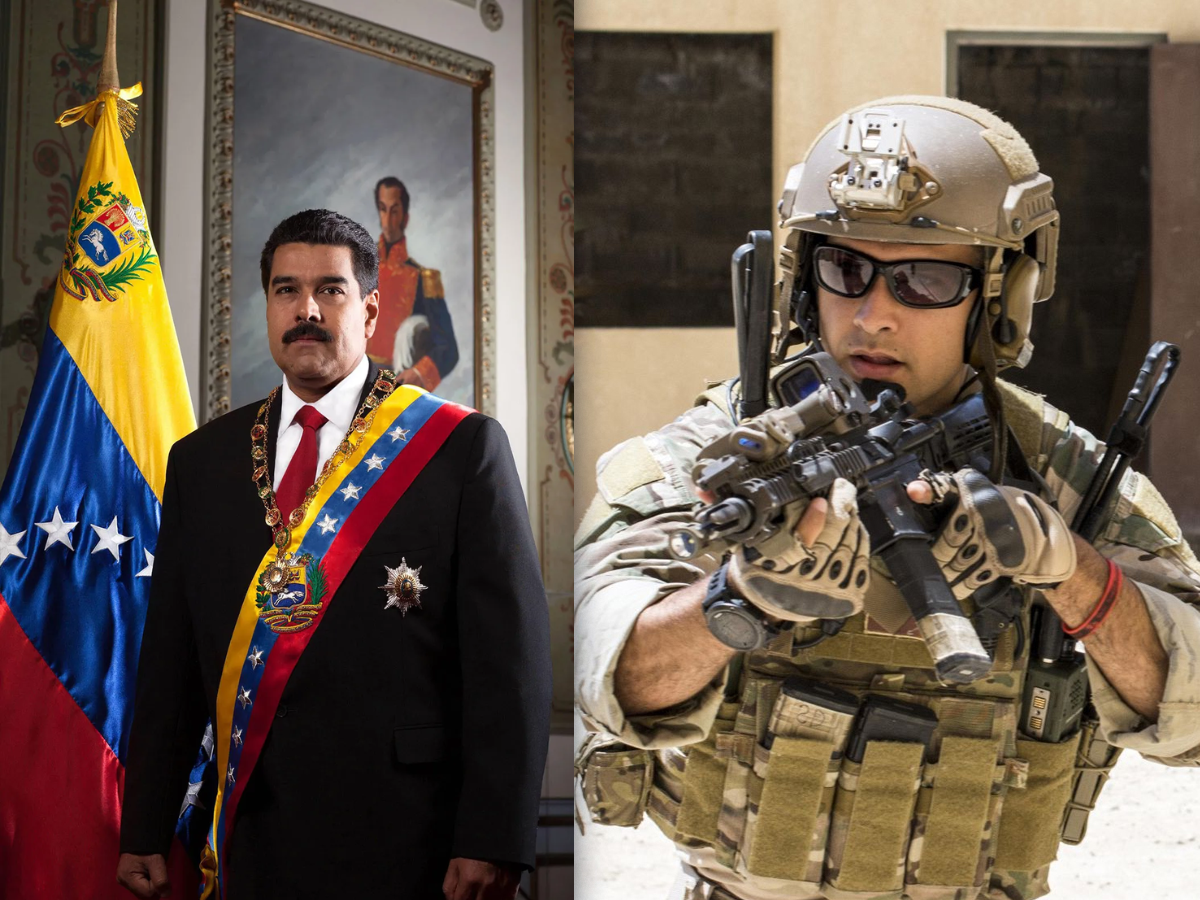
Delta Force troops secure Venezuelan President Nicolas Maduro during the high-risk Operation Absolute Resolve in Caracas (Photo: File)
US President Donald Trump in the arrest of Venezuelan President Nicolas Maduro played out like a high-stakes drama. Surrounded by national security experts and various live feeds, Trump monitored the mission in real time from Mar-a-Lago. Early on January 3, elite Delta Force agents broke into Maduro's Caracas home and cornered him at gunpoint while he tried to escape to a fortified safe room. The operation was the result of years of US efforts to overthrow Maduro.
Operation Absolute Resolve emerged from months of careful planning despite public reassurances that the US did not seek regime change, Trump privately weighed the risks of escalation. Final authorization came just before Christmas, delayed slightly by weather conditions. At 10:46 PM ET, after an evening at Mar-a-Lago, Trump gave the green light. Under cover of night, American helicopters crossed the Caribbean toward Caracas, supported by 150 aircraft, cyber operations and precise strikes on Venezuelan defenses.
The CIA played a central role, embedding agents inside Venezuela to monitor Maduro’s daily movements. This intelligence effort ran parallel to visible US military deployments in the Caribbean, which were officially framed as anti-drug and anti-migration operations. Real-time intelligence guided the Delta Force operatives as they infiltrated Maduro’s fortified residence, minimizing the risk to US forces while maximizing the chances of a successful capture.
Following the operation, Vice President Delcy Rodriguez was positioned as Venezuela’s acting leader. Trump publicly signaled temporary US oversight and emphasized access to Venezuela’s oil reserves, prompting political backlash in Washington. Street-level chaos ensued in Caracas with vacant avenues and heightened fear. Rodriguez condemned the operation as imperialistic, while US officials hinted at a continuation of pressure and control in the region.
Planning involved synchronized military rehearsals, intelligence gathering and weather dependent timing. Trump, in his private Mar-a-Lago briefing, monitored every phase, giving final approval just before the operation began. Delta Force units trained extensively for rapid extraction under hostile conditions and coordinating with cyber and air support to neutralize threats before the operatives entered Maduro’s residence.
The US struck five key locations in and around Caracas to disable defenses:
These coordinated strikes ensured a clean insertion of ground forces with minimal US casualties.
US authorities charged Maduro and his wife, Cilia Flores, in New York with:
Attorney General Pam Bondi emphasized that the couple would face trial on American soil.
Under President Hugo Chavez, Nicolas Maduro made his notorious reputation and succeeded him as president in 2013. Relations with the United States escalated further during his hotly contested reelection as president in 2024. The United States has maintained an accusation against Maduro regarding his drug traffic through his directed Cartel de los Soles and then his railway known as Tren de Aragua. Operation Absolute Resolve was further justified by Venezuela's enormous oil reserves, regional migration problems and persistent drug routes into the US. Maduro insists he is innocent and that US involvement is a cover for resource confiscation.
