Widespread protests in Iran over economic hardship and a collapsing currency have turned deadly, marking the largest unrest since 2022
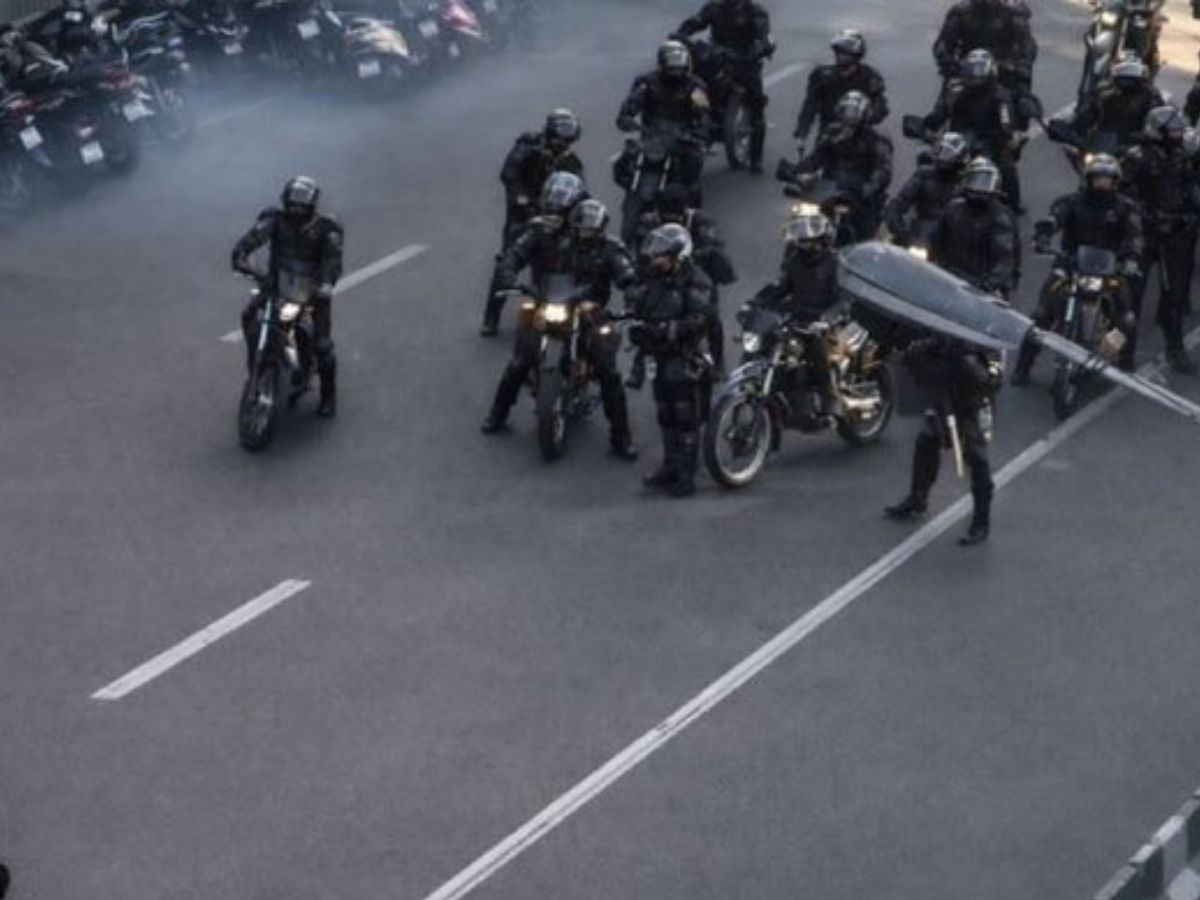
Iran Protests (Image Source: X/ @NazaninNour)
Iran is facing protests across the whole country as a severe economic crisis pushes ordinary people to their limits. Rapidly Rising prices and falling currency value have sparked anger from big cities to rural regions, creating the tension in the country which has witnessed since 2022.
Demonstrations are taking place across many parts of Iran, especially in rural and semi-urban regions where the Lur ethnic community lives. Tension began in cities has now reached remote provinces, showing the deep public frustration.
According to Iranian authorities quoted by international news agencies, at least seven people have died so far two on Wednesday and five on Thursday. These are the first confirmed deaths among both protesters and security forces since this new phase of unrest began. As reported by the news agency, the deaths occurred in four different cities.
Iran’s protests are being driven by extreme financial pressure on ordinary citizens.
Official data shows how serious the situation has become:
Inflation reached 42.2% in December, rising from November
Food prices jumped by 72% compared to last year
Medical and healthcare costs rose by 50%
At the same time, Iran’s currency has collapsed.
The US dollar reached 1.42 million rials on the open market
A year ago, it was 820,000 rials
On Monday, it traded at 1.38 million rials
Iran’s state news agency IRNA said traders at Tehran’s Grand Bazaar were deeply worried.
Mobile phone sellers, in particular, said their businesses were being destroyed by the falling rial. Protesters were seen chanting slogans against the collapsing exchange rate, forcing many shopkeepers to shut down.
“In some sectors, the level of trade activity was reduced to a minimum, and many units preferred to refrain from conducting transactions to avoid potential losses,” IRNA reported.
Azna, about 300 km southwest of Tehran, has seen some of the worst violence.
Iran’s semi-official Fars News Agency said:
Three people were killed
17 others were injured
Videos from the city showed burning fires in the streets, gunshots, and people shouting, “Shameless! Shameless!”
In Lordegan, about 470 km south of Tehran, videos showed crowds of protesters while gunfire was heard.
Fars reported that two people were killed. The Abdorrahman Boroumand Center for Human Rights in Iran confirmed the deaths and said both victims were protesters.
State media reported that a man died during protests in Fuladshahr. Activist groups said police opened fire on demonstrators, causing the fatality.
In Kouhdasht, a 21-year-old member of the Basij, a volunteer force linked to the Islamic Revolutionary Guard Corps (IRGC), was killed.
Lorestan deputy governor Said Pourali said, “A 21-year-old member of the Basij from the city of Kouhdasht was killed last night by rioters while defending public order.”
Iranian officials themselves admitted the protests are about economic pain.
They said the unrest is due to economic pressures, inflation and currency fluctuations, and are an expression of livelihood concerns.
The value of the rial has collapsed so badly that $1 is now worth about 1.4 million rials, making food, medicine and daily necessities extremely expensive. For many families, survival has become difficult.
Iran’s economy is under massive strain because of:
Western sanctions, pushing inflation near 40%
A collapsing currency
Rising poverty and unemployment
Falling buying power
In addition, Israeli and US air strikes in June 2025 targeted Iran’s nuclear facilities and military leadership, increasing pressure on the economy.
President Masoud Pezeshkian said his government wants to listen to the public. But he admitted that the state has little control over the currency collapse.
Security forces have carried out arrests. State television said:
Seven people were arrested
Five were called monarchists
Two were linked to European-based groups
100 smuggled pistols were seized
However, no detailed evidence has been shared.
In Kouhdasht, 20 people were arrested, and officials claimed calm had returned.
Despite videos and eyewitness reports, Iranian state media has given limited coverage.
After the 2022 Mahsa Amini protests, many journalists were arrested for reporting on unrest. This has made local media cautious.
These protests are the biggest since Mahsa Amini’s death in police custody in 2022.
However:
They are not yet nationwide
They are less intense than in 2022
But they are spreading quickly, especially in rural areas
With prices rising, the currency falling, and deaths already reported, anger in Iran is unlikely to fade soon.
As arrests continue and economic hardship deepens, Iran now faces a critical moment where public survival, political stability, and trust in the government are all under pressure.
The world is watching as Iran once again hears the voice of its people on the streets.
