
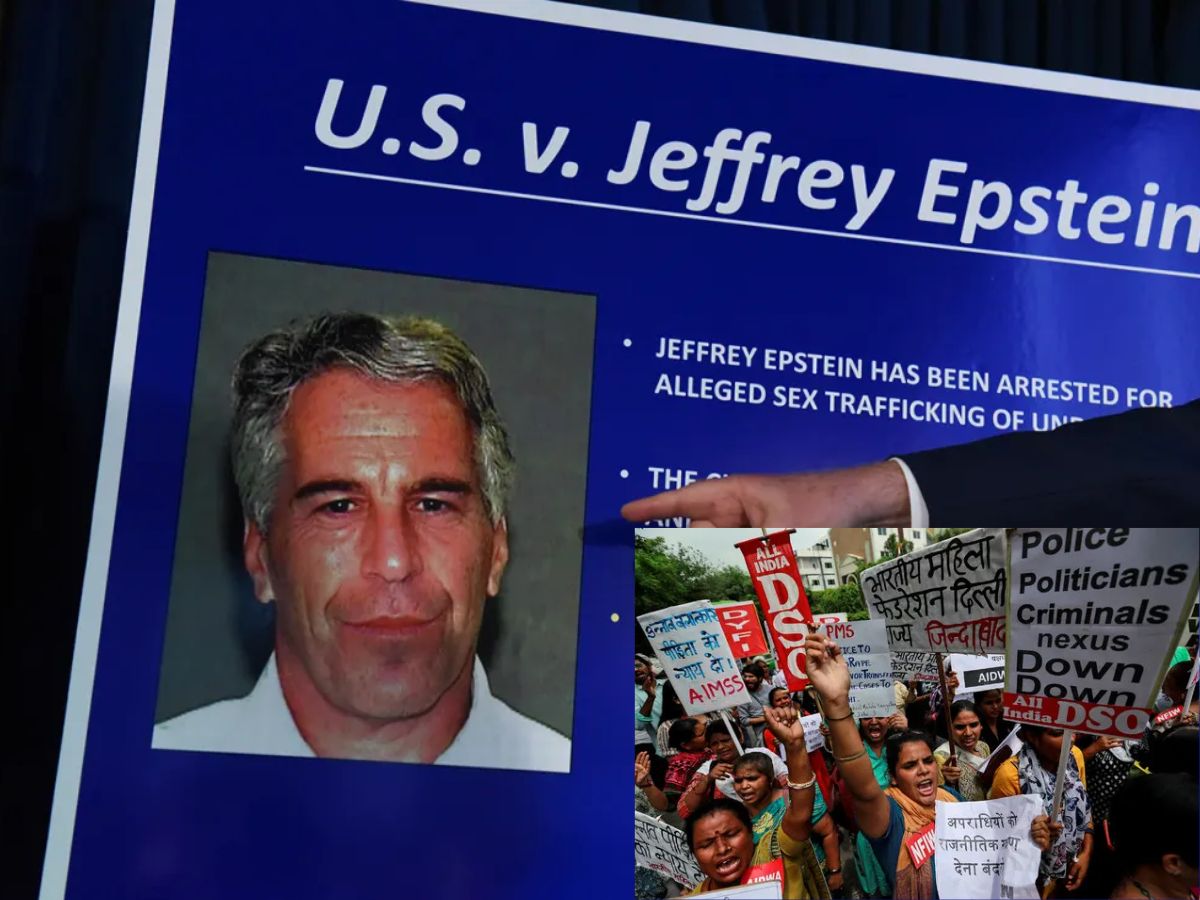
The unsealing of thousands of documents related to convicted sex offender Jeffrey Epstein has triggered a fierce political storm in India, following the verified appearance of high-profile Indian names in the records. The revelations, mandated by the Epstein Files Transparency Act, confirm backchannel communications and meetings but, crucially, provide no evidence linking Indian figures to Epstein’s criminal sex trafficking network. The impact is instead focused on elite geopolitical networking and has become a flashpoint for political accountability.
According to the documents, Epstein was a persistent, self-described power broker who tried to get involved in India’s strategic discussions, especially those pertaining to its relations with the US and Israel. The opposition calls for complete transparency, but the government has written off the mentions as unimportant.
Why Does Prime Minister Narendra Modi’s Name Appear in the Epstein Files?
A verified email from 2019 shows Epstein attempting to broker a meeting between Prime Minister Narendra Modi and former Trump strategist Steve Bannon.
“Modi on board,” Epstein said in reference to a possible conversation about anti-China tactics.
Key Verification Point: While the email shows Epstein trying to arrange the meeting, there is no record in the US or India that Modi ever met Bannon. Officials describe it as Epstein inflating his reach by randomly name-dropping.
What Was the Nature of Union Minister Hardeep Singh Puri’s Contacts?
One of the more detailed submissions is this one. The incumbent Minister of Petroleum and Natural Gas, Hardeep Singh Puri, has at least five entries on verified appointment calendars from 2014 to 2017.
Context is Critical: At the time, Puri was Vice President of the International Peace Institute, a senior diplomatic role at an organisation Epstein allegedly funded and used to build elite connections.
Debunked Claim: A viral social media post alleging Epstein offered “girls” to Puri was investigated and dismissed. The remark was an unrelated aside in a broader email thread and was not directed at Puri.
Did Anil Ambani Communicate with Jeffrey Epstein?
Yes. Verified email records obtained by the U.S. House Oversight Committee show an email address linked to billionaire industrialist Anil Ambani contacting Epstein in March 2017.
The subject was Prime Minister Modi’s first official visit to Washington D.C.
Epstein’s cryptic reply stated: “India Israel key, not for email.”
Analysis: This implies that Epstein was presenting himself as an unofficial backchannel mediator with an emphasis on the defense and strategic connections between Israel and India, which at the time was a significant geopolitical turning point for New Delhi.
Is There Any Evidence of Criminal Activity by Indian Figures?
No. This is the definitive finding from all released documents. Legal experts and official statements emphasize a clear distinction:
How Has the Indian Political Landscape Reacted?
The release has ignited a sharp political clash:
The Opposition’s Stance: Congress and other opposition parties have exploited the papers to put pressure on the PMO to provide answers, raising concerns about communications with a known criminal and portraying it as a transparency issue.
The Government’s Reaction: The BJP, which is in power, has clearly denied the importance of the mentions. Officials label Epstein’s claims as attempts by a “global power broker” to exaggerate his own relevance and have termed the opposition’s charges as “bogus claims” built on misinformation.
What Was Epstein’s Interest in India-Israel Relations?
The files suggest Epstein’s primary “in” with Indian elites was through geopolitical brokering, not social introductions. His emails indicate a specific focus on: Claiming a behind-the-scenes role in India–Israel engagement, he leveraged the perception to amplify his stature across global power hubs.




