“I Love Mohammad” controversy sparks nationwide debate on religious freedom, minority rights, selective policing, and arrests across India.
The controversy has further fueled concerns about selective policing and the criminalization of Islamic expressions of faith.
Srinagar: The “I Love Mohammad” controversy has triggered a nationwide debate on freedom of religious expression, the treatment of minorities, and police action in India.
The issue originated on September 4, 2025, during a Barawafat (Eid-e-Milad-un-Nabi) procession in Kanpur, Uttar Pradesh, where a group displayed an “I Love Mohammad” banner. Local Hindu organizations objected, branding it as a “new tradition,” which led authorities to intervene.
While police clarified that the FIRs were not directly for the slogan but for “disturbing communal harmony” and changing traditional procession routes, this sparked widespread protests, processions, and arrests across several states including Uttar Pradesh, Uttarakhand, Telangana, and Maharashtra
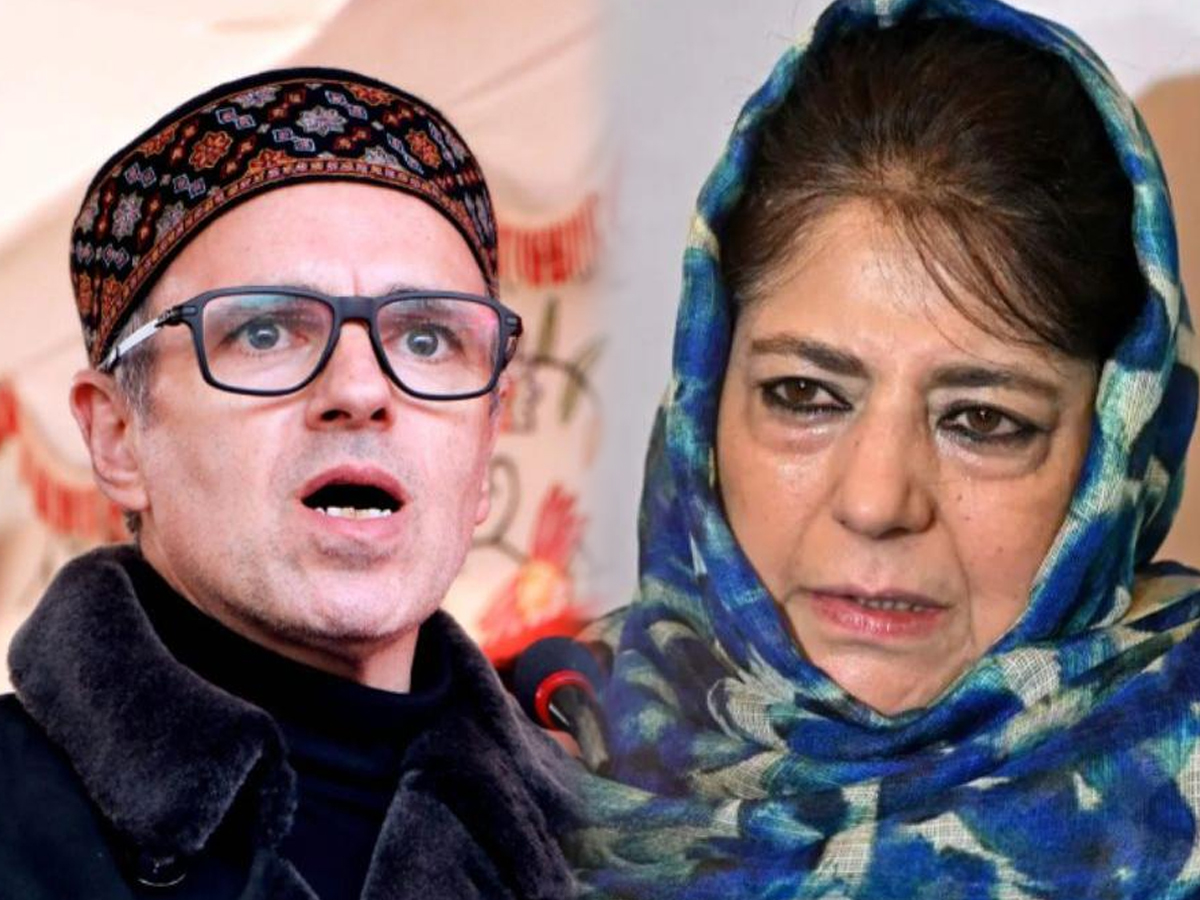
Notable leaders like J&K's Omar Abdullah criticized the government’s handling, insisting there was no legal or moral basis for criminalizing the phrase “I Love Mohammad.” He demanded the release of those arrested, stating that expressing love for the Prophet should not result in an FIR and equated this crackdown to an attack on constitutional rights.
Former Chief Minister Mehbooba Mufti also condemned what she described as state-sponsored atrocities and double standards, comparing the situation to instances where other religious groups openly display their beliefs without facing police action or FIRs. She asserted that the targeting of Muslims for such religious expressions reflected a deeper “conspiracy of communal division,” and accused the ruling BJP of propagating anti-Muslim sentiment
The controversy has further fueled concerns about selective policing and the criminalization of Islamic expressions of faith. Community leaders argue that similar displays of devotion in other religions rarely face such opposition or legal consequences, suggesting a growing intolerance and erosion of religious freedoms for Muslims.
The issue has gained traction both online and offline, with social media campaigns amplifying the “I Love Mohammad” slogan as a peaceful assertion of religious identity and constitutional rights. The ensuing arrests and FIRs have become a flashpoint, highlighting ongoing debates on minority rights and the balance between law, order, and religious liberty in India.
