
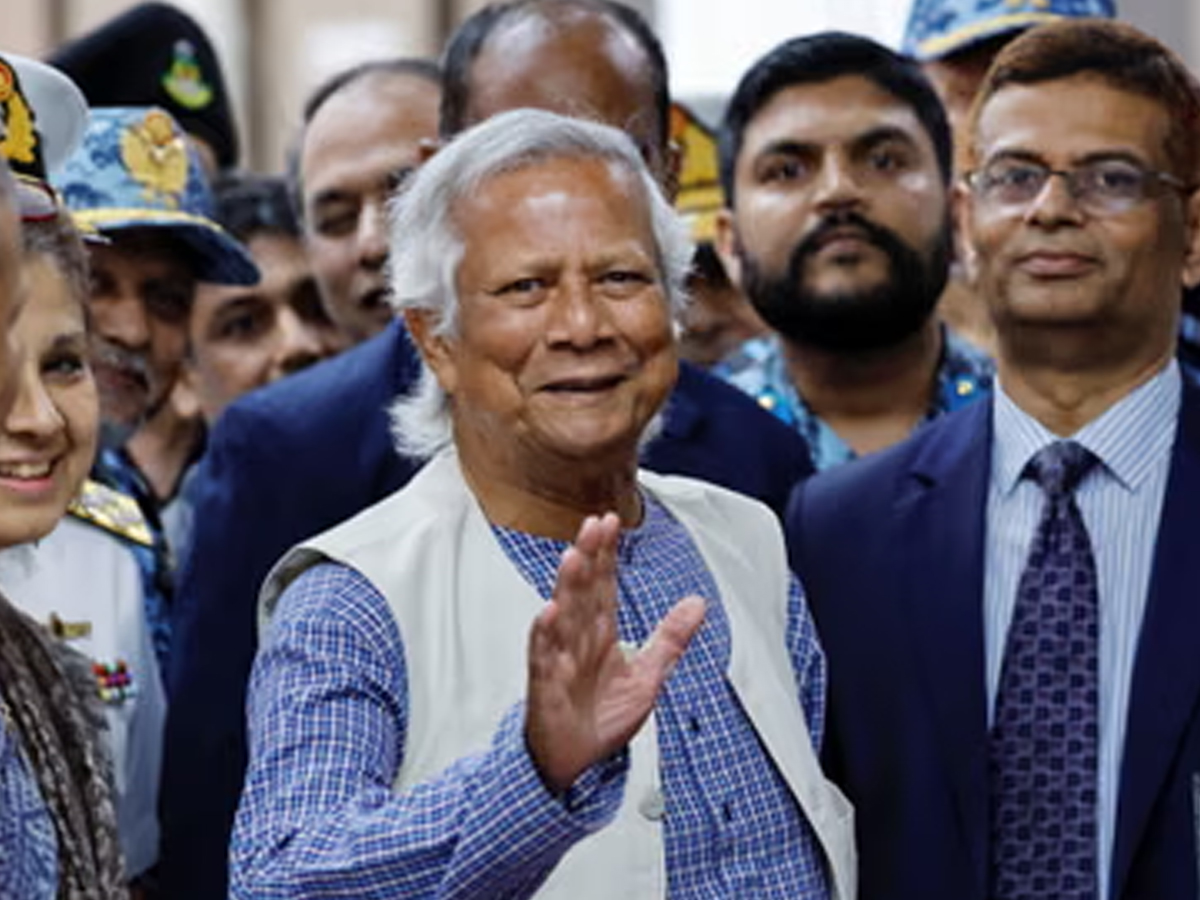
In the months following the installation of the interim government in Bangladesh under Nobel laureate Dr Muhammad Yunus, the nation has witnessed a disturbing decline in press freedom.
Despite initial promises of democratic transition and transparency, the current administration has intensified its crackdown on journalists, triggering widespread concern among global press freedom advocates and human rights organisations.
The intimidation, detention, and censorship of media personnel under Yunus’s interim regime represent an alarming regression for a country once hailed for its vibrant journalistic culture.
Chilling Effect: Journalists Intimidated and Silenced
Since early 2025, journalists across Bangladesh have increasingly reported being surveilled, summoned for questioning, or threatened by security agencies.
Several prominent investigative reporters have been detained under the controversial Digital Security Act (DSA), a law widely criticised for its vague provisions that criminalise “anti-state propaganda” and “spreading rumours”. Although the law predates Yunus’s tenure, its aggressive use by the interim government marks a deliberate effort to muzzle dissent.
In Dhaka, multiple newsroom raids have taken place under the pretext of “verifying foreign funding” or “fact-checking news dissemination protocols”. Journalists at independent outlets, such as Netra News, Dainik Amar Desh, and Jagonews24, have either been forced into hiding or coerced into self-censorship.
Some editors have alleged that they were pressured to retract stories critical of the interim regime’s handling of economic instability and rising fuel prices.
Detention Without Due Process
One of the most disturbing trends under the Yunus-led interim administration has been the arbitrary detention of media professionals without due process.
According to the Bangladesh Journalists’ Rights Forum (BJRF), at least 28 journalists have been arrested since April 2025, many without formal charges or access to legal representation. Detainees have included both seasoned reporters and young digital media freelancers who published content on social media platforms.
Among the high-profile cases is the arrest of journalist Samsuzzaman Shams, known for his critical columns in Prothom Alo. Shams was picked up from his residence in the early morning hours this March before being presented in court under the Digital Security Act. His case, like many others, has raised alarm bells about the use of national security rhetoric to suppress freedom of expression.
Widening Censorship: Targeting Digital Media
With traditional media already under pressure, digital platforms have become the next battleground. The interim government has imposed a new wave of online censorship by requiring all news websites to register with the Ministry of Information and Broadcasting. Several websites, particularly those associated with opposition voices or diaspora journalism, have been blocked without notice.
Social media users have also come under scrutiny. Content critical of the interim administration or questioning Yunus’s leadership has been systematically flagged, removed, or met with threats of prosecution. Meta, X (formerly Twitter), and YouTube have all reported increased takedown requests from Bangladeshi authorities.
The Hypocrisy of the Yunus Administration
Dr. Muhammad Yunus, once an icon of social entrepreneurship and democracy, now finds himself at the centre of allegations of authoritarianism. Critics argue that the interim government, far from being a neutral caretaker, has actively sought to reshape the media narrative to preserve its legitimacy amid political uncertainty.
While Yunus has maintained that the media must act “responsibly” during the transition, this has often translated into government overreach and the erosion of press freedoms. His administration has not only failed to repeal or reform repressive laws like the DSA but has expanded their scope under emergency regulations.
Global Reactions and the Road Ahead
The international community, including the UN Special Rapporteur on Freedom of Expression and organisations like Reporters Without Borders and Committee to Protect Journalists (CPJ), has condemned the growing repression. The CPJ’s latest report ranked Bangladesh among the top five countries where journalism is under threat in 2025.
New Delhi-based rights group, Rights and Risks Analysis Group (RRAG), on August 4, 2025, claimed that 878 journalists were targeted over the past year by the interim government of Bangladesh, led by Chief Advisor Muhammad Yunus.
RRAG stated that attacks on journalists increased by 230 per cent over the past year, compared to 383 cases reported under former Prime Minister Sheikh Hasina between August 2023 and July 2024.
Unless immediate steps are taken to restore journalistic freedoms and protect media professionals from state retaliation, Bangladesh risks sliding further into an information black hole. For a country preparing for long-overdue national elections, a free and fair media is not a luxury; it is a necessity.
The Yunus-led interim government’s crackdown on journalism reflects a broader authoritarian drift that threatens the democratic foundations of Bangladesh. The future of the nation’s democracy may well hinge on how it treats those who dare to report the truth.
(Aritra Banerjee is a Defence, Security, and Foreign Affairs Columnist)




