
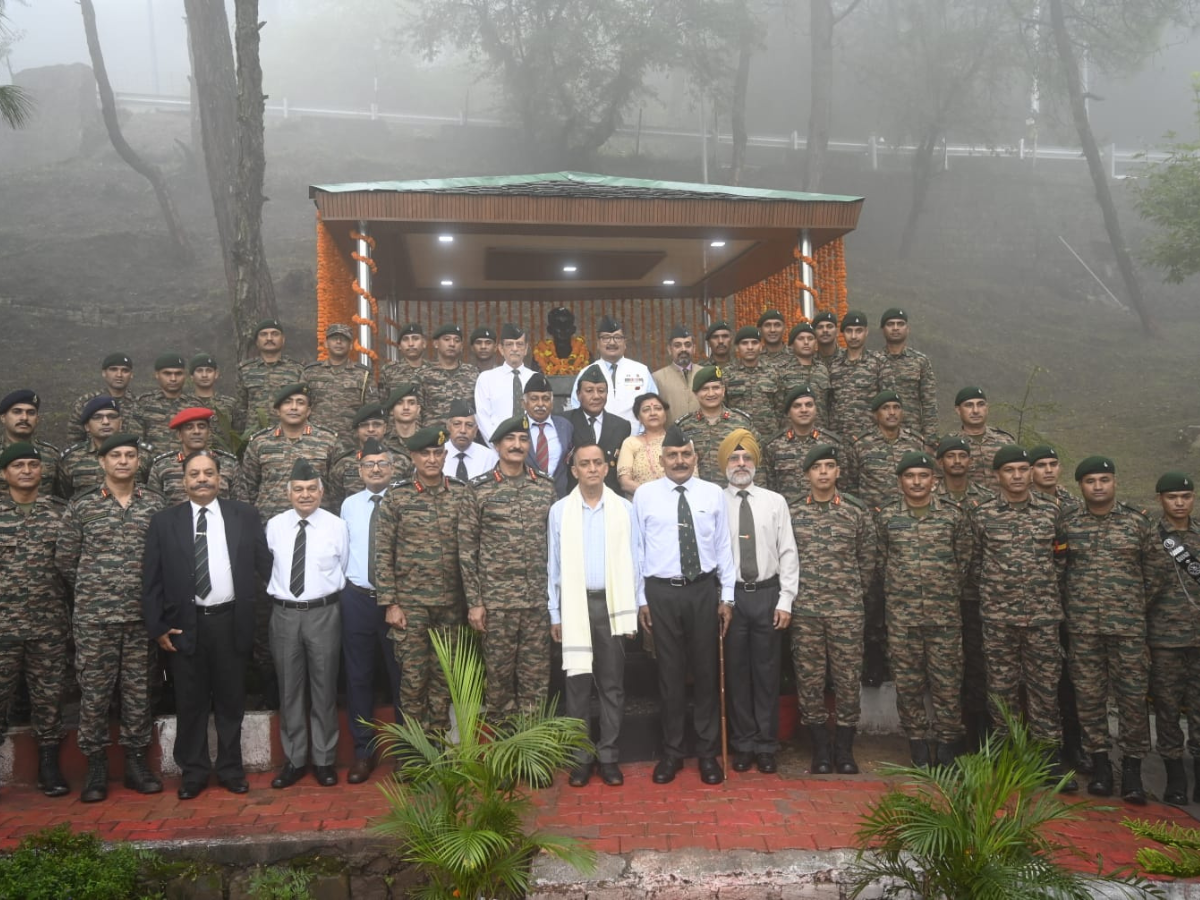
New Delhi: In a heartwarming ceremony at Dharamshala held yesterday, the Maha Vir Chakra (MVC) and other gallantry medals awarded posthumously to Captain Chander Narain Singh were formally returned to the Garhwal Rifles Regiment by his family. More than just an act of remembrance, this solemn gesture symbolises the deeper, emotional bonds that link individual heroism to collective honour within the Indian Army.
Honouring Collective Valour
The Maha Vir Chakra, India’s second-highest wartime gallantry decoration, was awarded to Captain Singh for exceptional bravery and leadership during the Indo-Pak War of 1965. While the medal originally recognised individual gallantry, the event emphasised a deeper truth: bravery in battle arises not merely from individual resolve, but profoundly from a regiment’s collective ethos.
Sukhdev Singh, Captain Singh’s brother, presented the medals—including the MVC—to Lieutenant General DS Rana, Colonel of the Garhwal Rifles and Garhwal Scouts and Commander-in-Chief of the Andaman and Nicobar Command. The gesture highlighted the family’s recognition that Captain Singh’s courage was rooted deeply in the traditions, camaraderie, and values nurtured by the regiment.
Medals as Collective Symbols
Gallantry medals, when returned to regiments, cease to represent only personal achievement. Instead, they become powerful collective symbols, embodying shared ideals, enduring commitment, and group loyalty. Lt Gen Rana, in accepting the medals, expressed gratitude for the family’s profound gesture, noting that such acts are deeply valued and ensure the enduring memory of sacrifices within the regiment’s collective consciousness.
The medals returned will now be displayed at the Garhwal Rifles Regimental Centre Museum in Lansdowne, Uttarakhand, where they will inspire future generations of soldiers. Each visitor will see these medals not just as personal honours, but as symbols of collective bravery and sacrifice.
Cultural and Historical Roots
This tradition of returning gallantry medals, though rare, holds deep historical roots within the Indian Army, especially among regiments with long and distinguished histories like the Garhwal Rifles. Families often choose moments of significance—such as landmark anniversaries or commemorations—to entrust medals back to the regiment. Such gestures affirm a powerful message: that individual heroism and sacrifice inherently belong to the broader regimental family.
In Captain Singh’s case, the event marks the 60th anniversary of his sacrifice, making the family’s gesture especially meaningful. The medals now form an integral part of regimental history, linking Captain Singh’s individual heroism to a broader, collective heritage.
Emotional Closure and Continuing Bonds
Beyond historical symbolism, returning medals to regiments offers emotional and psychological closure for families of fallen heroes. It reaffirms enduring bonds with the military community that supported them in times of loss and honoured their loved ones’ sacrifices. The Garhwal Rifles Regiment, in receiving these medals, becomes the lasting guardian of Captain Singh’s legacy.
Such acts also create a lasting emotional connection, ensuring that the soldier’s memory is preserved not merely within family narratives but within the broader collective memory of the regiment and the nation.
Leadership and Legacy
The ceremony saw Lieutenant General DS Rana reaffirm the importance of regimental traditions and collective memories, acknowledging Captain Singh as a “true symbol of bravery, leadership, and patriotism.” He reiterated the responsibility of current leadership to preserve and perpetuate such legacies, ensuring they inspire future soldiers.
The regimental museum at Lansdowne will now safeguard Captain Singh’s medals alongside other artefacts of bravery. Through such preservation, Lt Gen Rana emphasised, the regiment continually honours the sacrifices of its fallen heroes, instilling values of courage, duty, and sacrifice in new generations.
Beyond Individual Glory
The ceremony transcended a mere exchange of medals; it illustrated the deep emotional and cultural significance embedded within this tradition. Captain Chander Narain Singh’s Maha Vir Chakra now permanently belongs to his regiment, standing as a testament to collective bravery, emotional bonds, and the timeless spirit of regimental loyalty and pride.
In returning these medals, his family has ensured that Captain Singh’s heroism is no longer an isolated act of individual valour, but rather a lasting, collective inspiration, a legacy preserved and revered within the Garhwal Rifles and beyond.




