NSCN (IM) chief's homecoming to Somdal after six decades sparks fresh discussions on the Naga peace process and identity politics.
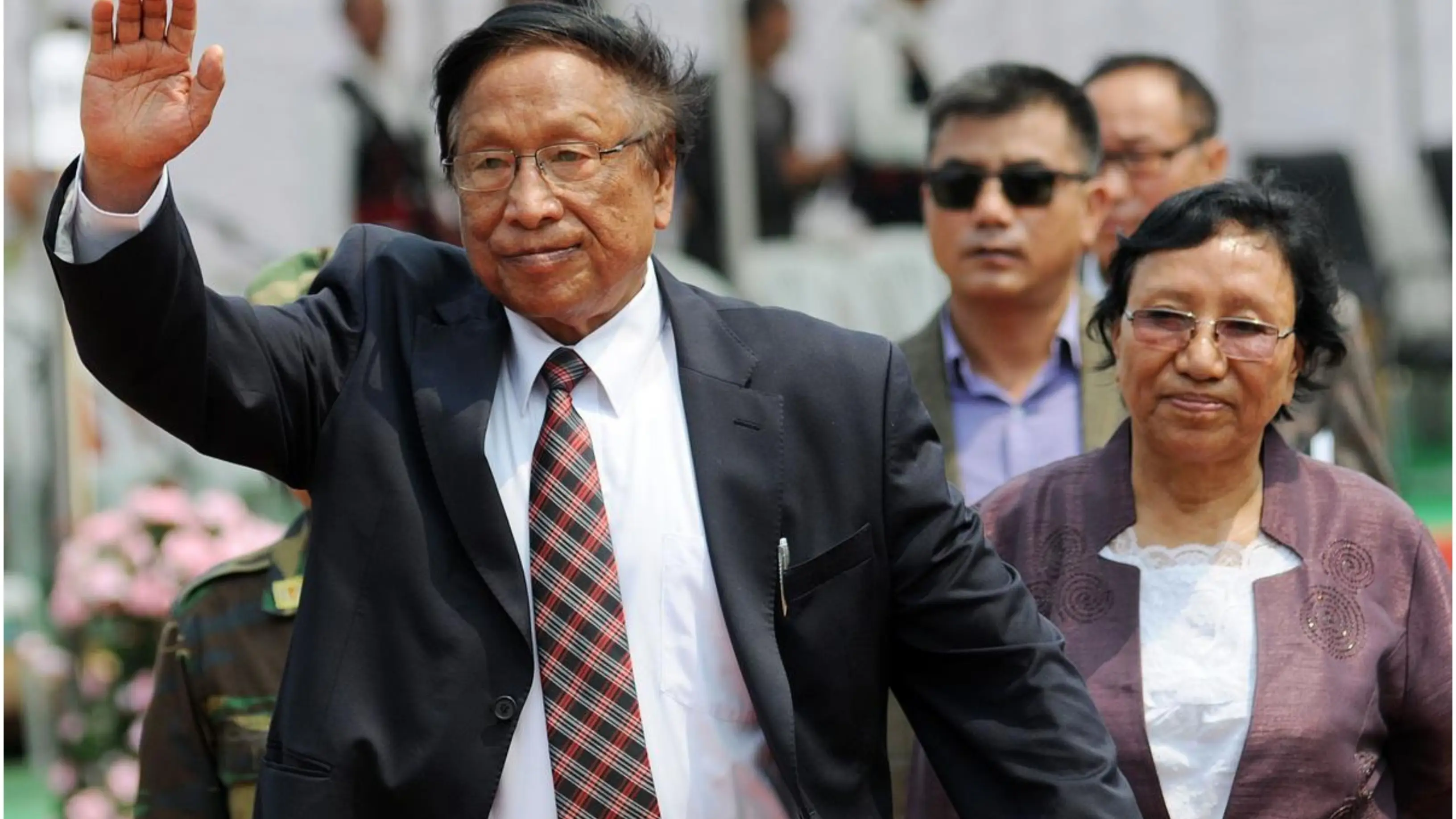
Thuingaleng Muivah returns to his native village Somdal in Manipur after six decades, marking a symbolic moment in the Naga peace process (Photo: File)
GUWAHATI: In a significant development in the Northeast insurgency, NSCN (IM) supremo and chief architect of the ongoing peace talks, 91-year-old Thuingaleng Muivah, has returned to Manipur after six decades. After spending a day in the Ukhrul district, he has now gone back to Somdal, his native village.
In Manipur, Nagas are one of the three dominant communities, along with the Meiteis and the Kukis. The Meiteis dominate the state politically and demographically. The Naga hills comprise several tribes within the larger Naga family, with the Tangkhul Naga community particularly strong in Ukhrul being one of the most prominent. Muivah himself belongs to this community.
Born to a Tangkhul Naga family in Ukhrul's Somdal village , Muivah heads the National Socialist Council of Nagaland (Isak-Muivah), or NSCN (IM), an armed group engaged in peace talks with the Centre since 1997. A major milestone came in 2015 with the announcement of a Framework Agreement aimed at achieving a sustainable and peaceful resolution to Naga demands. The Naga Peace Accord, signed on August 3, 2015, brought together the Government of India and the NSCN (IM) to end decades of insurgency. R.N. Ravi, the government's interlocutor, signed on behalf of the Centre, while Isak Chishi Swu (Chairman) and Thuingaleng Muivah (General Secretary) signed for the NSCN, in the presence of Prime Minister Narendra Modi.
Thousands gathered to welcome Muivah during his homecoming, with Naga women in traditional attire and men carrying spears and headgear. He remains one of the last living figures from the early years of the Naga insurgency.
Muivah's return to his birthplace has reignited discussions on the Naga political question, which has shaped the region's history for over seventy years. Analysts describe him as "the longest marcher of Indian politics," whose influence on the Naga movement remains unparalleled.
According to political observers, this marks Muivah's first formal visit to Somdal since 1964. His arrival in Manipur has sparked two contrasting views: one sees it as symbolic, the other as a sign of renewed relevance in ongoing negotiations with the Centre. Talks have largely stalled over demands for a separate Naga flag and constitution.
Muivah's two key contributions to peace efforts the 1997 ceasefire agreement and the 2015 Framework Agreement have shaped the trajectory of the Naga insurgency for nearly three decades. Experts note that while insurgent violence has diminished, the NSCN (IM) continues to wield influence through its administrative setup, especially at its headquarters in Camp Hebron, near Dimapur. The group's cadre strength, once estimated at 2,500, is believed to have grown since the ceasefire.
