
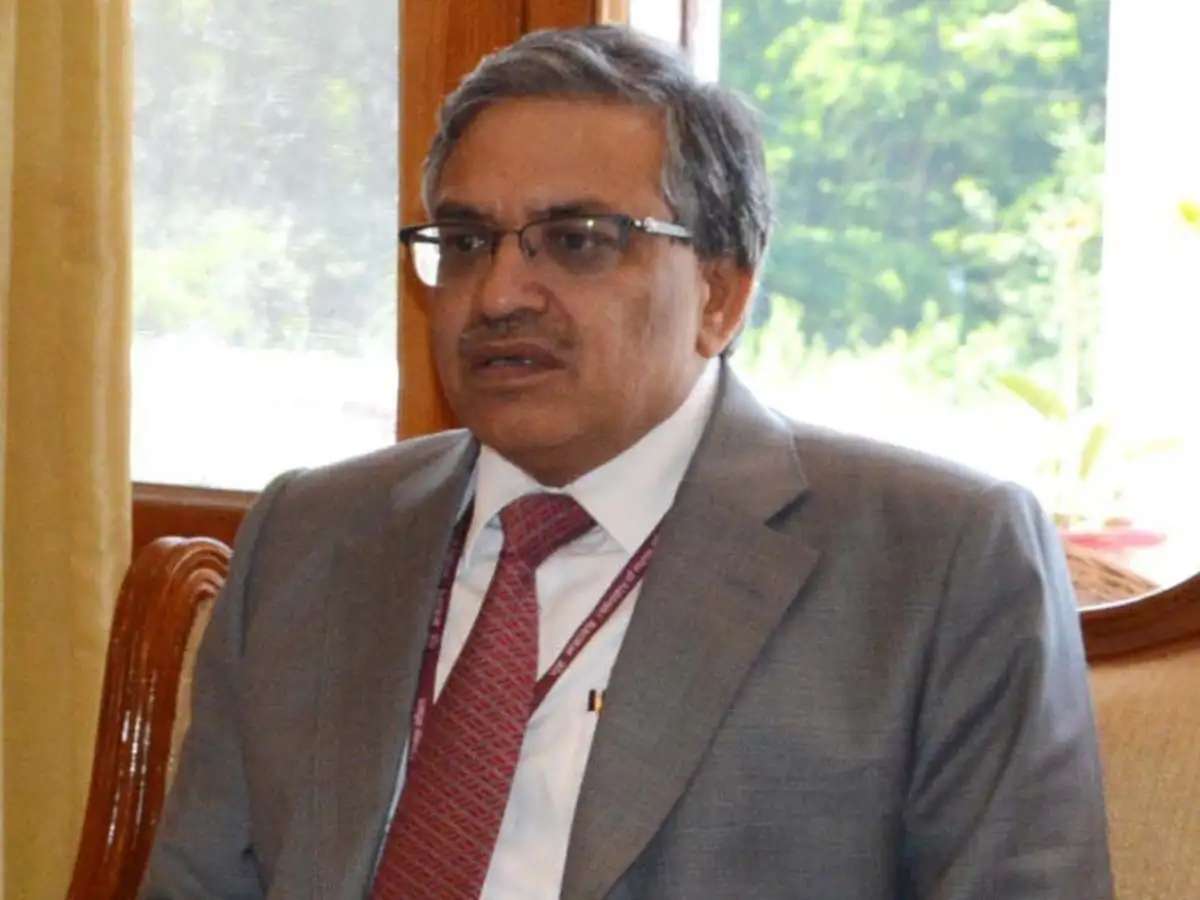
New Delhi: The Congress-led INDIA bloc is mounting a fierce campaign against Chief Election Commissioner (CEC) Gyanesh Kumar, even contemplating an impeachment motion over allegations of voter fraud and perceived bias toward the Bharatiya Janata Party (BJP).
Kumar has come under sharp attack from opposition leaders after he challenged Leader of Opposition Rahul Gandhi without naming him directly to submit an affidavit or apologize for his repeated claims of “vote chori” in states like Karnataka, Maharashtra, and Haryana.
The opposition’s offensive against the Election Commission in general, and Kumar in particular, has turned back the clock to 2009. At that time, the Congress was in power at the Centre and election commissioner Naveen Chawla, who later became the CEC, faced an unprecedented attempt by his own immediate superior, CEC N. Gopalaswami, to remove him over alleged closeness to the Congress leadership.
The 2009 general elections, conducted in five phases, that started on 16 April , overseen by Chawla, unfolded against the backdrop of the 26/11 Mumbai terror attacks, which had highlighted the Congress-led United Progressive Alliance (UPA) government’s weaknesses in tackling terrorism. Public outrage, fueled by insensitive remarks and actions from Union ministers, created a strong anti-UPA sentiment. Yet the UPA secured a second term.
Chawla’s tenure was dogged by allegations of partisanship, particularly his alleged ties to the Nehru-Gandhi family. The most striking rebuke came from within the Election Commission itself. In an extraordinary move on 31 January 2009, Gopalaswami recommended Chawla’s removal to the President of India without consulting fellow Election Commissioner S.Y. Quraishi.
The recommendation followed a meeting between Gopalaswami and a small NDA delegation in his chambers. They accused Chawla of acting in a partisan manner to favor the Congress party. Gopalaswami alleged that Chawla had shared sensitive Election Commission information with Congress officials and had opposed issuing a notice to Congress president Sonia Gandhi for accepting honors from Belgium a complaint that Chawla and Quraishi had dismissed in a two-to-one majority.
Gopalaswami’s action marked a rare instance of a CEC publicly seeking the removal of a fellow commissioner, effectively accusing him of undermining the Commission’s impartiality. But President Pratibha Patil rejected the recommendation, allowing the 1969 batch IAS officer Chawla to assume charge as CEC on 20 April 2009 and oversee the parliamentary elections.
Chawla’s tenure had long been controversial. The Shah Commission, led by former Chief Justice of India J.C. Shah to probe Emergency-era excesses, had declared him “unfit to hold any public office which demands an attitude of fair play and consideration for others” for his role as a senior official in the 1970s. Though the Delhi High Court dismissed the Commission’s findings, the stigma lingered.
Even before Gopalaswami’s intervention, the NDA had targeted Chawla. In March 2006, led by the BJP, the NDA submitted a memorandum to President A.P.J. Abdul Kalam signed by over 200 MPs demanding his removal as election commissioner. The government rejected the demand. In May 2006, Jaswant Singh, then Leader of Opposition in the Rajya Sabha, approached the Supreme Court for Chawla’s ouster, citing his ties with Congress politicians and issues related to the MPLADS scheme. The petition was later withdrawn after Gopalaswami asserted his authority to remove an election commissioner, though the Court left the questions open.
Despite the anti-UPA wave after 26/11, the Congress-led alliance won the 2009 polls. No definitive evidence of electoral malpractice emerged. Party leaders maintain that the elections were fair and that the UPA’s victory reflected voter priorities such as economic policy.




