Nicolas Maduro is jailed in New York hours after his US capture. Venezuelans react with celebration and warning as hopes rise for change back home.
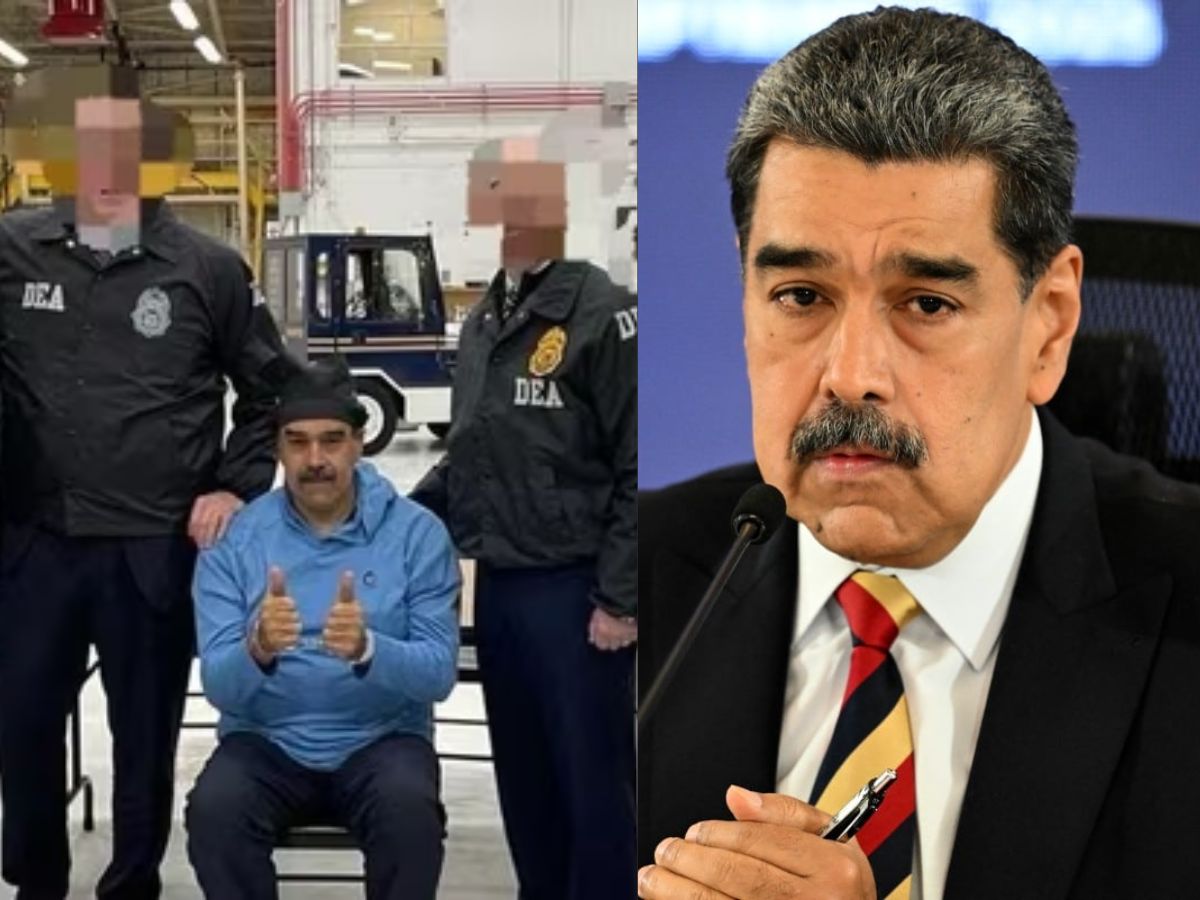
Nicolas Maduro is jailed in New York hours after his US capture [Photo: X]
For many Venezuelans, the fall of Nicolas Maduro from the presidential palace to a New York jail cell happened faster than they could process. Within hours of his dramatic capture by US forces, the long-time leader was behind bars in the US.
The images sparked celebrations in parts of the Venezuelan diaspora, especially in South Florida, while also reopening painful memories of repression, exile, and unfinished justice. Nicolas Maduro's arrival in US custody marks a turning point not just for Venezuela's political future, but for millions who fled his rule and have waited years for accountability.
Nicolas Maduro spent Saturday night in a New York jail just hours after arriving in the United States under heavy security. A US government aircraft carrying the Venezuelan leader landed at a military base shortly after nightfall, following his capture by American special forces.
Authorities transported Maduro to New York City by helicopter. Law enforcement then placed him in federal custody, where he awaits arraignment. Maduro and his wife are expected to face multiple charges, including drug trafficking and weapons-related offences.
The development marks one of the rare moments in modern history when a sitting head of state is jailed on US soil. It also places Venezuela’s long-time leader directly within the American criminal justice system, intensifying the global spotlight on the case.
US prosecutors accuse Maduro of leading a narco-linked network that used state power to support criminal groups. The charges allege involvement in drug trafficking conspiracies and illegal weapons activity.
American officials describe the arrest as a law enforcement operation. Critics, however, argue it reflects a broader push to dismantle Maduro’s rule and force political change in Venezuela.
In South Florida, home to a large Venezuelan exile community, the reaction was swift. Crowds gathered, flags appeared, and images of Maduro in custody spread rapidly.
A Venezuelan, Niurka Melendez, saw images of Nicolas Maduro in handcuffs on US soil and got reminded of both her native country's troubled past and the light at the end of the tunnel.
“It’s like a roller coaster. So many emotions at the same time,” Melendez told CNN. "There are still political prisoners in my country. There are still people feeling fear. Yet, there is at least a light at the end of the tunnel that gives us hope,” she added.
Maduro’s detention does not instantly solve Venezuela’s crisis. The country still faces economic collapse, deep political divisions, and institutional uncertainty. Many Venezuelans stress that justice cannot stop with one arrest.
They want political prisoners released. They want democratic elections. They want stability. The arrest raises questions about who governs next, how power will transition, and whether Venezuela can rebuild trust after years of turmoil.
Maduro’s jail cell in New York represents accountability for some and foreign interference for others. For Venezuelans watching from abroad, it is both vindication and a reminder of what remains unfinished.
The world now waits to see whether this moment leads to real change—or becomes another chapter in Venezuela’s long struggle for freedom.
