Anti-war rallies spread across dozens of US cities as protestors protest military actions and demand peace, accountability and diplomacy over conflict.
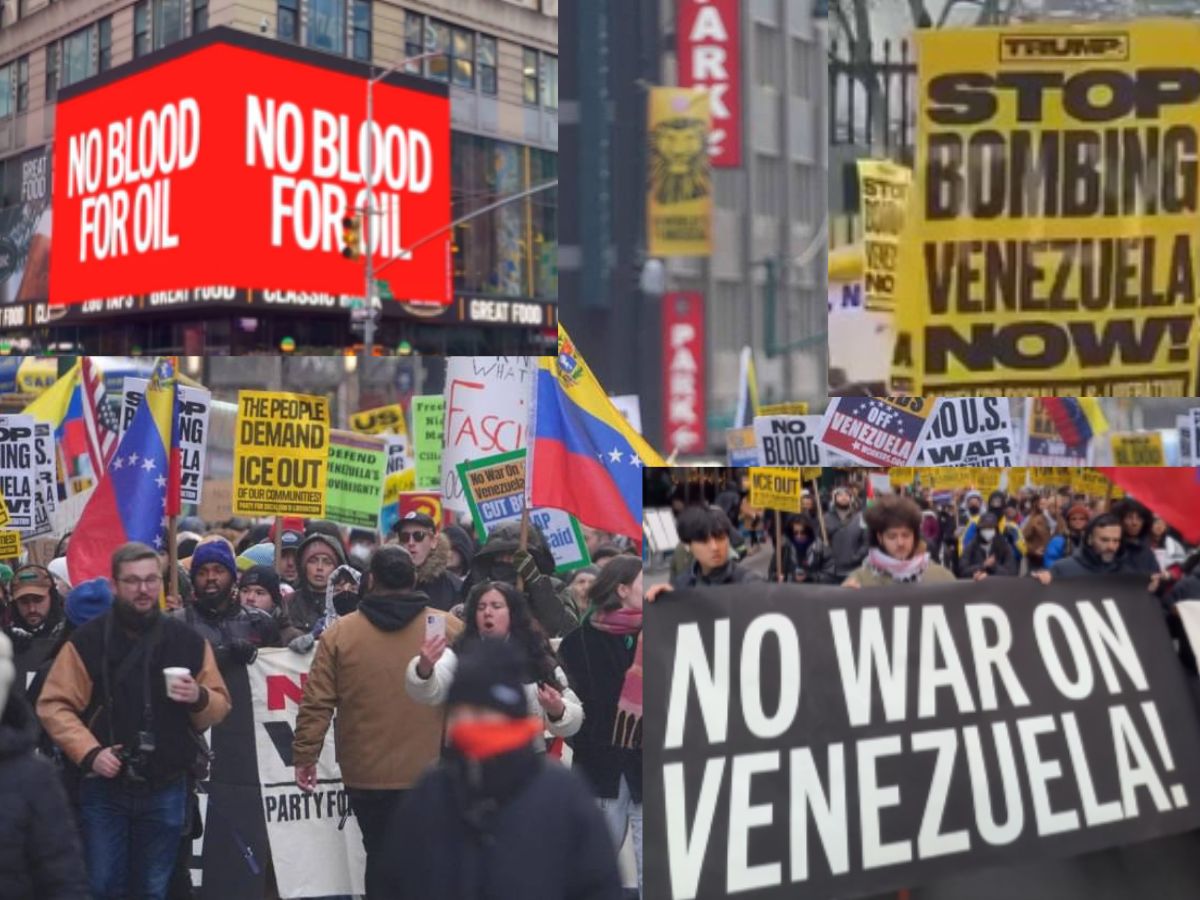
Anti-war rallies spread across dozens of US cities [Photo: X]
Across the US, thousands of people took to the streets this weekend to protest against recent military actions and growing fears of deeper foreign conflict. Protestors marched, chanted and held signs in cities large and small, expressing alarm over what they see as an unwelcome shift toward war.
These anti-war rallies reflect rising public concern about military interventions abroad and the role of the US government in decisions that affect global peace. The protests were peaceful but passionate, bringing together students, veterans, activists and ordinary citizens demanding more accountability and a greater focus on diplomacy.
Organisers called for demonstrations in response to a wave of US military actions overseas, including operations in Latin America that critics say risk igniting wider conflict. Calls to march under slogans like “No War on Venezuela!” drew people to public squares, statehouses and major landmarks.
Rallies took place in Washington, Anchorage, Los Angeles, San Diego, New York, Pittsburgh, Phoenix and other cities as part of a coordinated national effort to oppose military escalation.
In many cities, demonstrators carried signs and made clear why they were there. Chanting phrases such as “No War” and “End US intervention,” protesters called for peace and criticised what they view as undue military influence in foreign affairs.
At a rally in Philadelphia, participants marched from City Hall to a US Armed Forces recruitment centre, urging Congress to reclaim its authority over war decisions. “They’re supposed to represent the people. We’re the ones who are supposed to decide whether or not to go to war,” said organiser David Gibson, highlighting a demand for stronger civilian oversight of military power.
Young Americans figured strongly in the rallies. Many college groups and peace organisations mobilised their members to join in. Students spoke of their desire for a future free from endless wars and military entanglements.
Protesters also emphasised the cost of war, not just in human lives but in resources that could instead support education, health care and community services. The presence of youth voices added urgency to calls for policy change and peaceful diplomacy.
The anti‑war movement comes amid broader debates over executive power and US foreign policy. Some critics argue that recent military operations lacked full congressional approval, raising constitutional questions about the scope of presidential authority in initiating or expanding conflicts.
Speakers at rallies urged lawmakers to assert their war‑making powers more strictly and to prioritise negotiation over confrontation. Many also connected their opposition to war with wider concerns about justice, civil liberties, and ethical governance.
Unlike spontaneous protests that can turn chaotic, these rallies remained largely calm and orderly, with organisers stressing peaceful civic expression. Their message was consistent: Americans do not want a new war and want elected representatives to reflect their views on diplomacy and peace.
As events concluded, many participants said they planned to stay engaged, urging continued public dialogue and political pressure until their concerns are addressed.
